







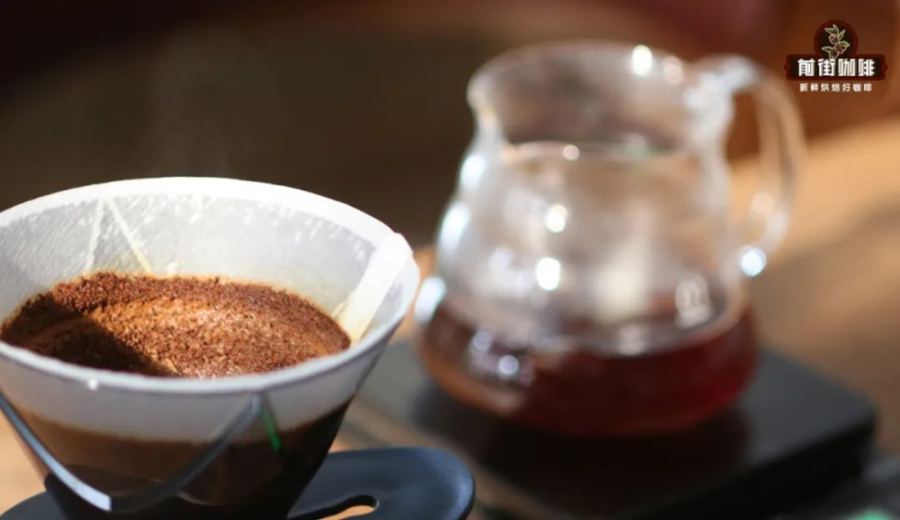
Introduction:Want to easily brew a clear and bright iced pour-over coffee at home? This article provides an in-depth analysis of the one-pour iced pour-over technique promoted by Tetsu Kasuya, breaking down the operation step by step—from equipment selection, coffee-to-water ratio, grind size, to pouring and stirring steps. Based on practical test data, it explains the logic behind using 20 grams of coffee grounds, 150 ml of hot water, and 80 grams of ice, and explores how slow-drip filters, fine grinds, and coffee-to-water ratios affect final flavor. Whether you’re a beginner or a more advanced brewer, you can grasp the key points from this guide.
Enjoy a refreshing, well-balanced iced pour-over coffee easily at home too! This article focuses on the one-pour iced pour-over technique promoted by Mr. Tetsu Kasuya, guiding you from start to finish on how to brew professional-level iced coffee with simple steps. We will detail the coffee-to-water ratio, grind settings, and actual pouring methods, using the tested combination of 20 grams of coffee, 150 ml of hot water, and 80 grams of ice as an example. By analyzing the intention behind each parameter, we aim to help you understand how to control variables to improve extraction efficiency and overall coffee performance.
Unfamiliar with the term “one-pour”? Simply put, it’s a brewing method that skips the bloom step and involves pouring all the hot water onto the coffee grounds in one go. It’s recommended to first watch an actual demonstration video by Tetsu Kasuya, which helps you intuitively understand the entire process. Worth noting is that this technique isn’t demanding in terms of equipment—even using affordable or entry-level gear such as the Hario Smart G hand grinder, a PCT material gooseneck pour-over kettle, and a Mugen Infinite Cross Star filter cone can get the job done smoothly, making it highly suitable for home use.
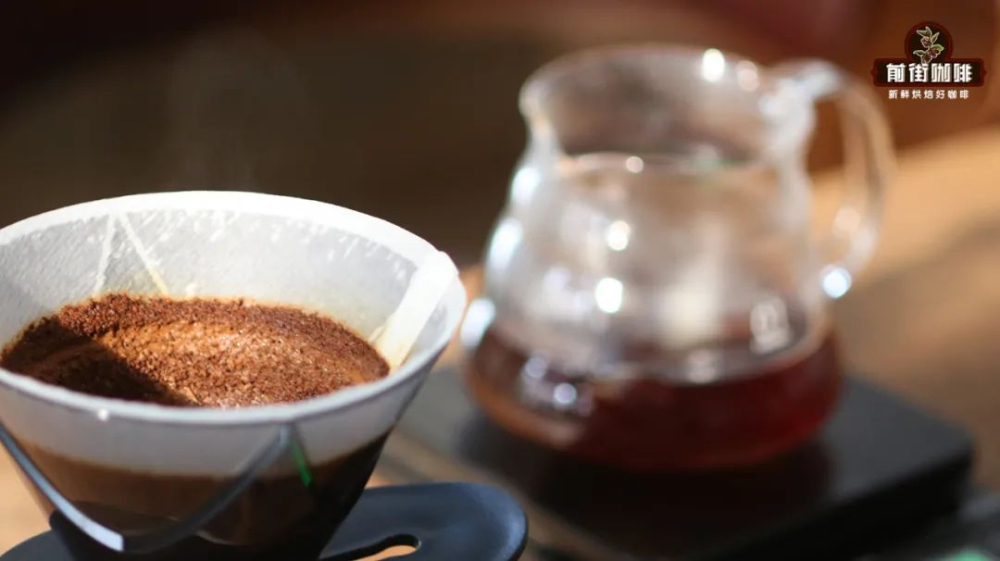
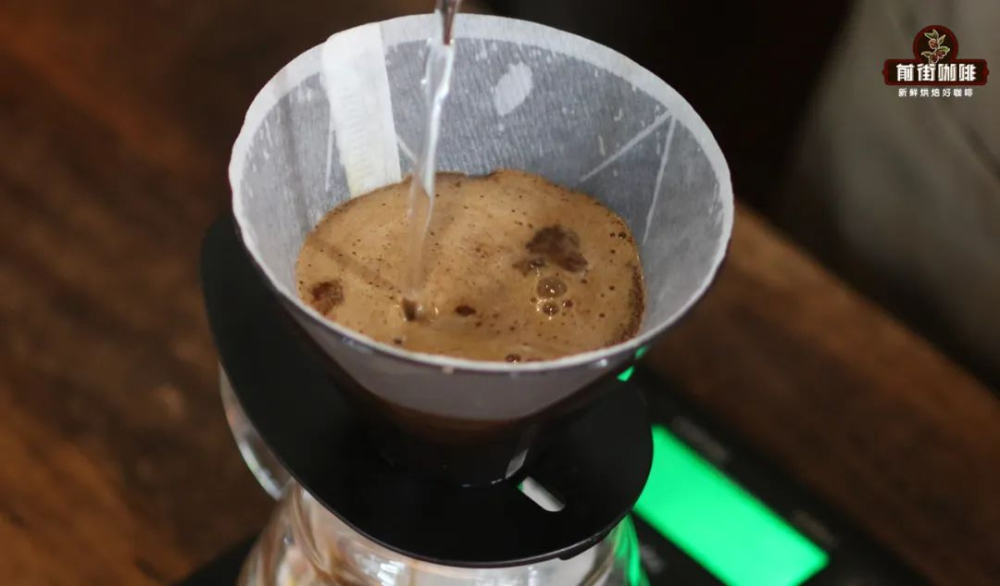
Reviewing Tetsu Kasuya’s standard parameter settings: 20 grams of coffee, a relatively fine grind (roughly similar to setting 7 on the EK-43s grinder, finer than many common iced pour-over setups), a water temperature of 93°C, a total water pour of 150 ml, and 80 grams of ice pre-placed in the server (note: this ice is mainly used for cooling, not added directly into the filter). In practice, after placing the coffee grounds in the filter, pour the 150 ml of hot water in about 10 seconds using a larger stream in small circular motions. Immediately afterward, use a spoon to quickly stir about 10 times in the same direction to enhance overall extraction uniformity and efficiency. Once the coffee has fully dripped through, remove the filter and gently shake the server to speed up cooling. When the ice has completely melted, the coffee reaches its optimal drinking temperature and is ready to enjoy.
Based on multiple tests, this method not only has a low barrier to entry but also brings out bright acidity, clean mouthfeel, and rich layers in light roasted beans, with surprising flavor results. Whether you’re just starting out or looking to refine your skills as a coffee enthusiast, you’ll find practical reference and inspiration here.
Delving into the principle behind this brewing method, it shares similarities with traditional immersion-style extraction. The one-pour technique increases the contact time between coffee grounds and hot water, combined with a slow-drip filter and finer grind, effectively raising the overall extraction rate and ensuring full release of flavor compounds. It’s worth mentioning that the choice of filter isn’t limited to the Mugen Infinite—other slow-drip filters designed to emphasize immersion extraction, such as fan-shaped or other types, also yield good results, offering users more flexibility and options.
In terms of grind size control, although Tetsu Kasuya demonstrated with a relatively fine grind, the tolerance for fine particles is actually quite broad. Hand grinding often produces fine particles, but as long as the total immersion time isn’t too long, over-extraction or off-flavors are unlikely. For instance, in tested data, when maintaining a coffee-to-water ratio of around 1:7.5 with a total extraction time of about 1 minute 30 seconds, effective extraction is adequately achieved. Grind settings on the EK43s between 4 and 7 can be tried—this range feels noticeably granular to the touch. If ground too finely, close to espresso level, prolonged immersion may lead to increased bitterness, so special attention is needed.
Additionally, the one-pour method has very low requirements for pouring technique, making it one of the most beginner-friendly brewing approaches. Skipping the bloom step might raise concerns about slightly lower or uneven extraction, so it’s advised to stir in the same direction with a spoon after pouring. This helps break up the coffee grounds, improving overall extraction uniformity and efficiency. The principle is similar to how water functions as a “stirring agent” in normal pour-over processes, effectively promoting material exchange between coffee grounds and water, thereby enhancing final flavor performance.
In summary, the one-pour iced pour-over is not only easy to pick up but also allows you to achieve a high concentration and reasonably extracted coffee liquid through precise control of the coffee-to-water ratio, grind size, and stirring after pouring. Combined with ice for cooling and dilution, it delivers a refreshingly bright, sweet-and-acid balanced, and outstanding drinking experience. Whether you’re looking for a new brewing challenge or aiming to optimize your home coffee-making routine, this technique is well worth exploring and practicing.
The above content is compiled by CoffeeHunters, a coffee news website.


