







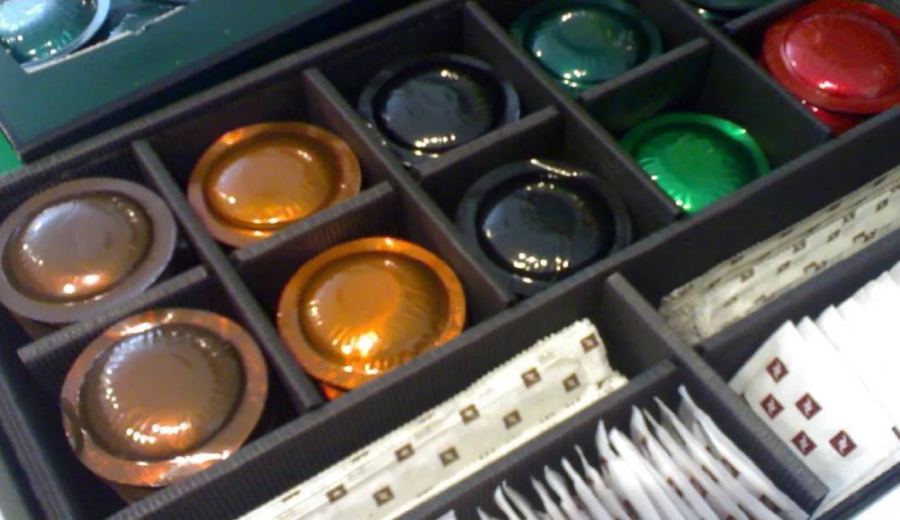
Introduction:Faced with the environmental issues caused by traditional coffee capsules, Swiss retailer Migros has introduced an innovative solution — the Coffee B system. These brownish coffee balls, encased in seaweed-based film, are not only convenient to use but can also fully compost within weeks. This article delves into the technical features of Coffee B, its market rollout, and how algae packaging could usher in a sustainable transformation for the coffee industry.
As global coffee consumption habits continue to evolve, convenience has become a key driver of market growth. While capsule coffee is popular for its quick brewing convenience, it has also led to significant waste issues from non-recyclable metal and plastic. Addressing this pain point, Swiss retail giant Migros unveiled a groundbreaking product — the Coffee B compostable coffee ball system — on September 6th Zurich time.
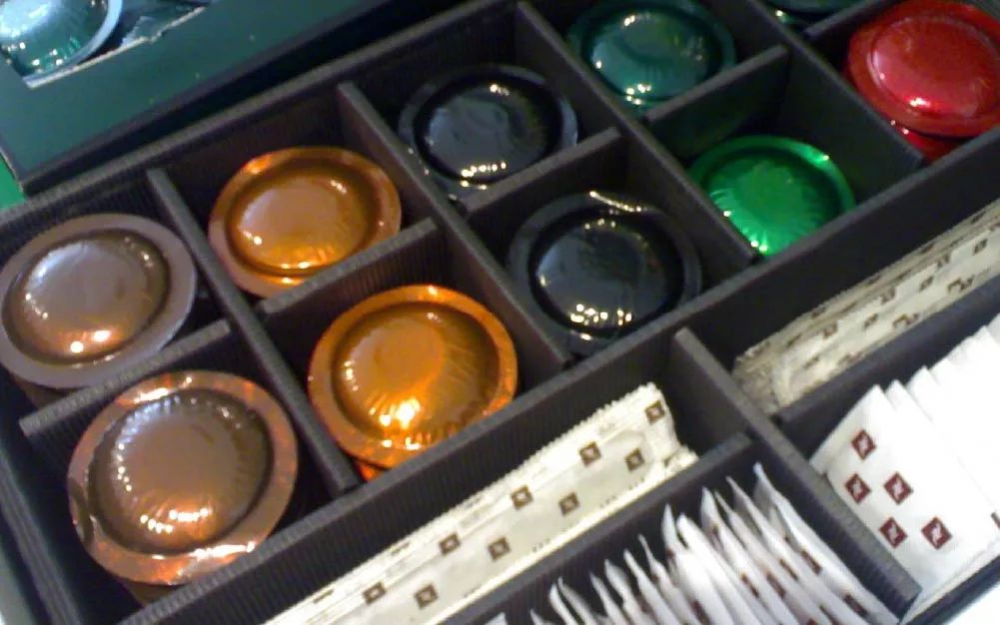
The core of this innovative solution lies in its oval-shaped brownish coffee balls, coated with a specially treated seaweed-based film. Compared to traditional aluminum foil composite capsules, this film hasno color or odorand is certified under EU composting standards. Test data shows that it can fully decompose in approximately 3–4 weeks in industrial composting conditions, and within 6–8 weeks under home composting conditions.
The dedicated coffee machine for the system is expected to launch first in the Swiss and French markets in 2022, followed by expansion to German consumers in 2023. Notably, each coffee ball has a capacity equivalent to that of a standard capsule (about 5–7 grams of ground coffee) and is compatible with mainstream drip brewing devices. For optimal extraction flavor, it is recommended to brew at 90–96°C with a coffee-to-water ratio of 1:15.
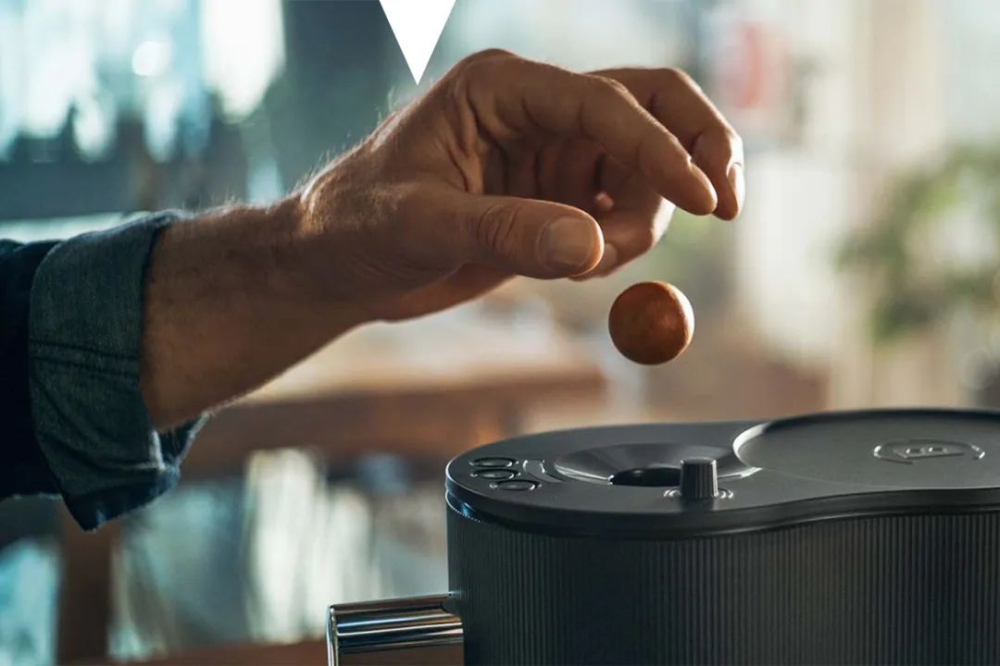
The application of algae packaging technology is not a new concept and has already been proven feasible in areas such as edible water balls. Research from MIT in the United States indicates that common plastic coffee packaging materials can release around 10¹² microplastic particles when exposed to 90°C hot water, whereas seaweed-based materials pose no such risk. In addition, the natural composition of seaweed may impart trace amounts of dietary fiber and antioxidants to the beverage, and food-grade processing ensures no unwanted off-flavors.
This innovation is not the first commercial attempt — during the 2019 London Marathon, organizers distributed over 30,000 edible water pouches made of seaweed. These biodegradable film sachets decompose completely in the natural environment within about 4–6 weeks, leaving only water and carbon dioxide as residues. Compared to the centuries-long degradation period of traditional polyethylene materials, the environmental friendliness of the algae-based solution is evident.
The launch of the Coffee B system marks an important milestone as sustainable coffee packaging technology transitions from the lab to the consumer market. Although currently limited by seaweed raw material production capacity and processing costs, the price per unit is still about 30–40% higher than that of traditional capsules. However, as the technology matures and economies of scale take effect, its market share is expected to gradually increase. For environmentally conscious consumers who do not wish to compromise on brewing convenience, this innovative product offers a noteworthy alternative.
The above content is compiled by CoffeeHunters, a coffee news website.


