








Introduction:Dive deep into the Dodomu coffee beans from Kenya’s Nyeri region—explore their unique geography, the story of the RUMUKIA Cooperative, and how the traditional double-washed processing method shapes their captivating berry and citrus notes. This article details the flavor profile of this AA-grade lot featuring SL28 and Ruiru11 varieties and provides practical V60 pour over parameters to help you extract its bright acidity and layered taste with precision.
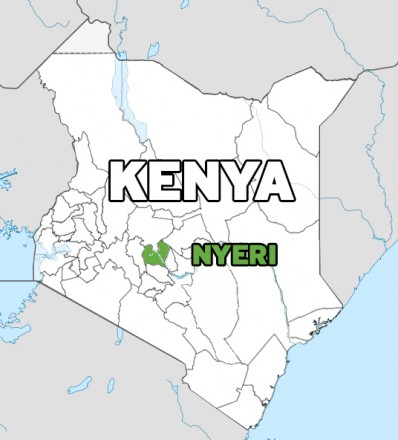
Nyeri, located in central Kenya, sits within the dormant volcanic zone of Mount Kenya, at altitudes ranging between 1,550 to 2,300 meters, with some micro-regions reaching up to 2,300 meters. The area features fertile, mineral-rich red soil, coupled with significant diurnal temperature variation—nighttime lows around 13°C and daytime highs climbing to 27–28°C—creating ideal conditions for coffee cherries to accumulate rich flavor compounds during ripening, making Nyeri one of Kenya’s most iconic specialty coffee regions.
Local coffee production is dominated by smallholder farmers, who mostly pool resources and expertise through cooperatives. The RUMUKIA Cooperative is a prime example, bringing together 8,500 coffee farmers with an annual output of up to 4 million kilograms. The cooperative operates eight specialized wet mills, including Kagunyu, Gatura, Thunguri, Maganjo, Kiaawamururu, Gailundo, Ndiani, and Tambaya, and has earned Fair Trade certification, ensuring fair compensation for farmers while continuously promoting agricultural education to steadily elevate overall coffee quality.

The Dodomu coffee beans introduced here are a premium offering from the RUMUKIA Cooperative. They are cultivated from Kenya’s classic SL28 and Ruiru11 varieties, graded as top-tier AA, and processed using Kenya’s traditional and meticulous double-washed method, delivering vivid notes of cherry tomato, citrus, black plum, and berries.
The processing of this coffee is notably meticulous and time-consuming. First, farmers handpick only ripe red cherries, removing any visibly defective or damaged beans. The selected cherries are then floated in water tanks to remove unripe beans and foreign matter using density differences. After hulling off the pulp, the beans undergo their first fermentation phase, typically lasting 12 to 24 hours, followed by thorough rinsing under running water. Next comes the second fermentation, lasting 48 hours—an essential step for flavor development and residual mucilage removal. After the second fermentation, the beans are rinsed again until all surface mucilage is gone. Finally, the parchment-covered beans are evenly spread out for sun drying, a process that takes about 12 days until the moisture content reaches the ideal standard, after which they are packaged and stored.
This double-washed Dodomu coffee is typically roasted lightly to preserve the vibrant acidity and fresh fruit character of its origin. In cupping, its dry aroma often carries intense berry notes; when sipped, it reveals bright acidity with flavors of green apple, grape, plum, accompanied by delicate nutty and honey sweetness, with a tea-like finish. Overall, it presents a well-balanced and layered profile.
For pour over brewing, it is recommended to use a V60 dripper with a water temperature between 90–91°C, a coffee dose of about 15 grams, and a brew ratio of 1:15. Grind size can be compared to that of fine sugar, or roughly 80% passing through a #20 sieve. The extraction process is best done using a pulse pouring technique: start with a 30-second bloom using 30 grams of water to activate the coffee’s aroma; then pour steadily in small circles until the total water volume reaches 124 grams for the first pour, wait until the water level drops just about to expose the coffee bed, then continue pouring up to 228 grams before stopping; finally, remove the dripper when the liquid level is about to reveal the coffee grounds. The total brew time is approximately 1 minute and 55 seconds, helping to fully highlight the coffee’s balanced acidity and sweetness along with its nuanced flavors.
The freshly ground Dodomu beans emit distinct dried fruit and citrus aromas. Upon tasting, the bright acidity of cherry tomato, citrus, and sour plum is vivid yet smooth, with a clean, sweet lingering finish. It’s well-suited for coffee enthusiasts who enjoy bright acidity and fruity profiles. Understanding its processing background and using the correct brewing parameters will allow you to fully appreciate the charm of this top-tier specialty coffee from Kenya’s Nyeri region.
The above content is compiled by CoffeeHunters, a coffee news website.


