







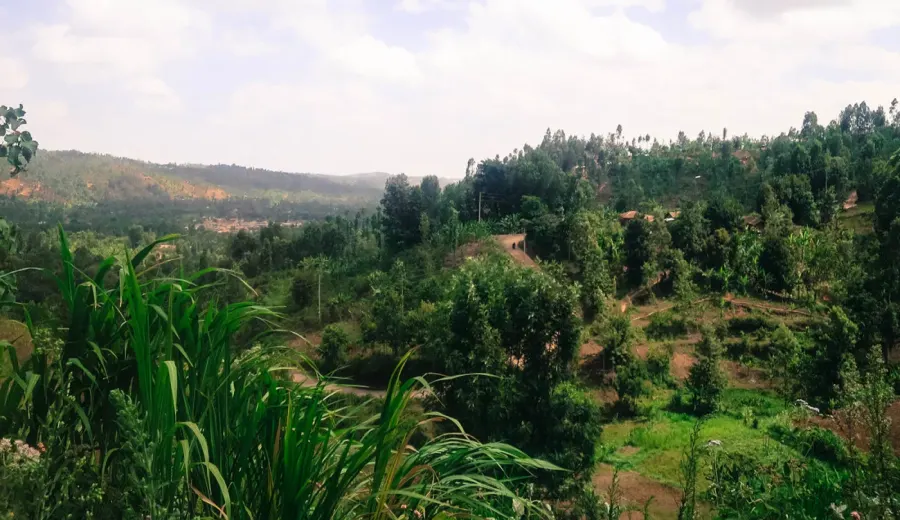
Introduction:The Boma washing station in Kericho Town, Kenya, employs a unique dry fermentation process to treat SL28, SL34, and Batian varieties, crafting a specialty coffee that boasts flavors of lemon, cranberry, and green tea. This article delves into the altitude, climate, and soil conditions of the region, introduces the cooperative background and processing methods, and provides professional pour over recommendations to help you fully appreciate this distinctive Kenyan bean.
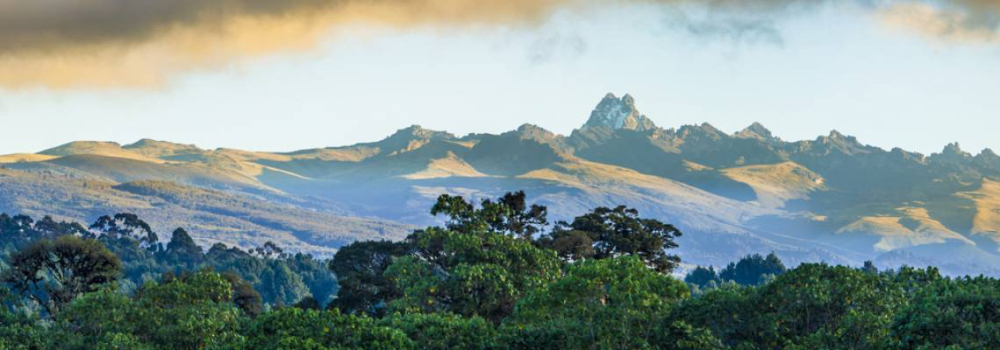
Located in Kericho Town in southwestern Kenya, adjacent to the slopes of Mount Kenya at an elevation of approximately 1700 to 1800 meters, lies the Boma wet processing station. It is part of the Kipkellion Cooperative, jointly operated by over 600 local farmers, and is one of the key members of Kenya’s Farmer Cooperative Society (FCS) system. The station primarily cultivates three classic varieties: SL28, SL34, and Batian. Through its distinctive dry fermentation washed process, it imparts the beans with bright notes of lemon and cranberry, along with layers of caramel and green tea.
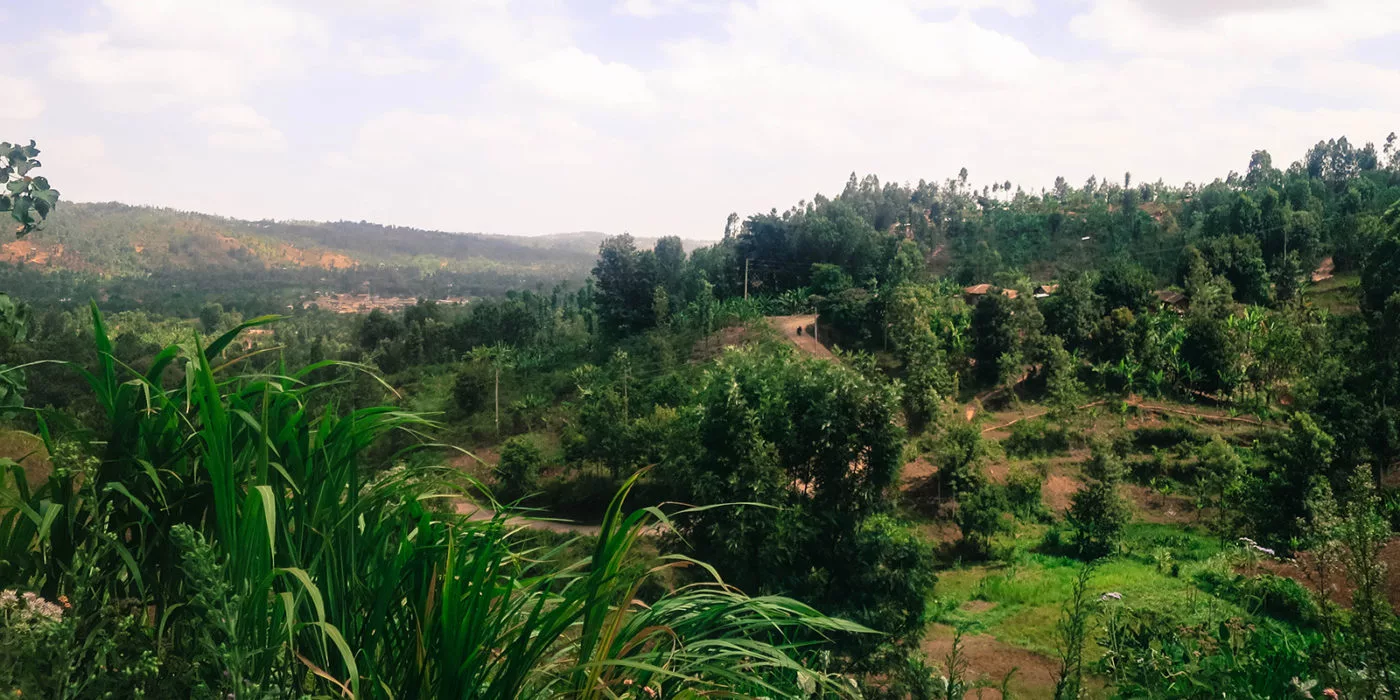
Kericho Town, where the Boma washing station is situated, features a mountainous terrain with excellent drainage and volcanic red soil rich in minerals—providing an ideal growing environment for coffee trees. The area enjoys cool and humid weather year-round, with average temperatures ranging between 22 to 28 degrees Celsius. Coupled with the slow growth conditions brought by high altitude, the coffee cherries are able to accumulate richer flavor compounds, resulting in a more uniform ripening process. The local coffee harvest typically takes place from October to December each year. Most family farms manage around 250 to 300 coffee trees, and the harvested cherries are sent to the Boma station for refined processing.
The processing method at Boma Cooperative differs from conventional washed processes, with its hallmark being the “dry fermentation” step. After harvest, the coffee cherries are first placed in drainage-enabled containers and left to ferment without the addition of extra water for 18 to 24 hours. During this period, the cherries are rinsed every 6 to 8 hours to control the fermentation process. Once fermentation is complete, the parchment beans are transferred to a specially designed washing tank, where they are sorted by density and weight—heavier, higher-quality beans sink to the bottom while lighter ones float to the surface. The denser beans are then soaked in clean water for an additional 24 hours. This step helps remove residual mucilage and enhances the purity of the final flavor. Next, the beans are placed on a coarse cloth mesh to remove excess moisture before being transferred to traditional raised drying beds for sun drying. This entire process takes about 12 to 20 days, until the moisture content stabilizes at 11% to 12%. Notably, to reduce water waste and environmental impact, Boma has implemented a water recycling system that reuses water from the processing stages.
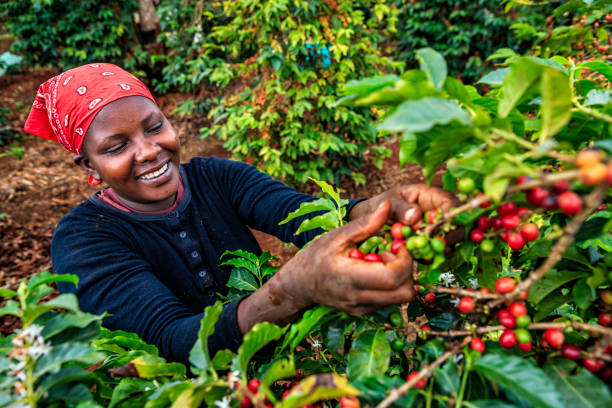
In terms of variety selection, Boma station mainly grows SL28, SL34, and Batian. Both SL28 and SL34 originated from disease-resistant strains developed in the 1930s by Scott Laboratories. SL28 belongs to the Bourbon genetic group, with a round and compact bean shape, notable drought resistance, and strong disease resistance. SL34 inherits genetic traits of Typica, with a plant appearance similar to Typica but higher yield, and slightly flatter, elongated beans. In terms of flavor, SL34 generally exhibits a richer body and higher clarity. Batian is a new variety introduced by the Coffee Research Institute (CRI) of Kenya in 2010. It offers good resistance to coffee berry disease and various insect pests, providing another sustainable cultivation option for the region.
This Kenyan cranberry coffee bean from the Boma washing station is classified as AB grade. During cupping, its dry aroma reveals intense dried fruit and citrus notes. Upon tasting, bright acidity highlights cherry tomato, plum, and lemon, complemented by the sweetness of honey and berries. The overall mouthfeel is full-bodied with distinct layers. The flavor profile is clear, and the finish leaves a lasting note of green tea. It is a specialty-grade coffee that balances freshness with complexity.
For this high-altitude, high-acidity Kenyan bean, a light roast is recommended to preserve its vibrant fruit acidity and dark fruit character. For pour over, we suggest using a V60 filter cone, with water temperature controlled between 90 to 91°C. Use 15 grams of coffee grounds, at a 1:15 coffee-to-water ratio, ground to a fineness similar to superfine sugar (sifted through a #20 sieve to retain about 80% of the powder). The specific brewing process is as follows: begin with a 30-second bloom using 30 grams of water, then pour in a thin stream of water to reach 124 grams for the first pour. When the water level nearly exposes the coffee bed, continue pouring to a total of 228 grams, and remove the filter just before the water level drops again. The total extraction time is about 1 minute and 55 seconds, helping to balance acidity and sweetness, delivering the optimal flavor expression.
The above content is compiled by CoffeeHunters, a coffee news website.


