







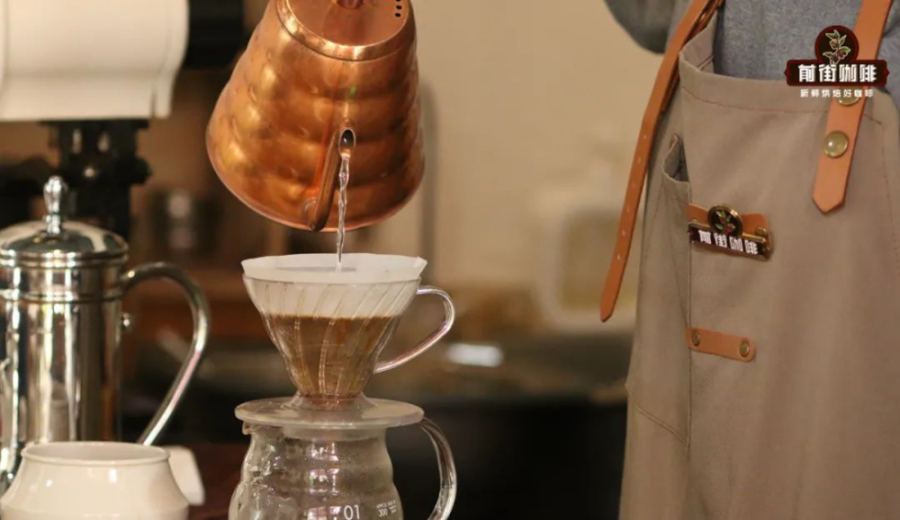
Introduction:The flavor expression of pour over coffee is closely related to the pouring speed. Many coffee enthusiasts mistakenly believe that a faster flow rate always means stronger extraction and a slower one always means gentler. In fact, what truly affects the extraction efficiency is the degree of agitation in the coffee bed. This article delves into the actual impact of different water flow rates on extraction time, liquid level changes, and flavor profiles, and teaches you how to measure your own pouring rate using an electronic scale. By doing so, you can identify your optimal range for both fast and slow pours, enhancing the stability and flavor performance of your pour over brewing.
During the pour over process, the pouring speed is one of the key factors influencing the outcome of extraction. Many people often misunderstand, thinking that a slow pour must be gentle and a fast pour must be intense. However, what actually determines whether the coffee bed is stirred gently or violently is not just the speed of the water flow, but rather the technique and extent of agitation. Additionally, everyone uses different pour over kettles, which vary in spout size and water control ability. Therefore, there is no absolute or unified standard for what constitutes a "slow" or "fast" pour.
This article will help you clarify two common misconceptions and teach you how to accurately measure your own pouring rate using an electronic scale. You’ll also gain a deeper understanding of how different flow speeds affect extraction time, coffee bed height, and final flavor. We will also provide practical suggestions for adjusting your pouring speed during different stages of extraction, helping you find the most suitable rhythm and flow range for your own brewing style.
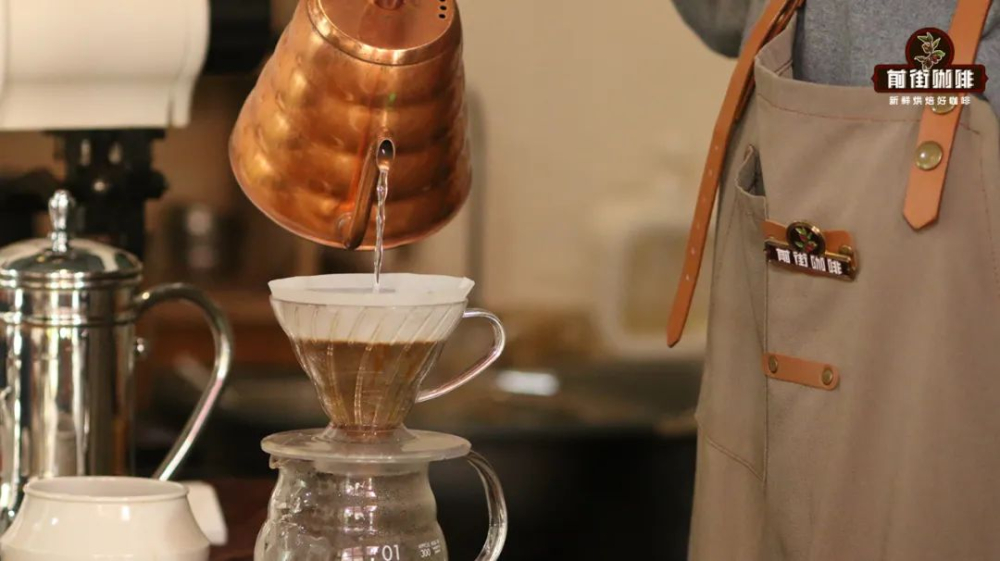
First, we need to clarify two common misconceptions. The first is that a slow pour does not necessarily mean a gentle pouring action, and a fast pour is not always forceful. So-called "gentle pouring" refers to minimal agitation of the coffee bed, typically achieved by keeping the water stream stable and moving it in a steady, horizontal circular motion. On the other hand, even if the water flow is not strong, shaking the wrist vigorously can cause significant agitation of the coffee bed, making the motion appear more "rough." Conversely, a fast pour, when controlled properly with a slow circular motion, can also achieve gentle and effective extraction.
The second common misconception is that definitions of "fast pour" and "slow pour" vary from person to person. Because each person’s kettle has a different spout diameter and their water control skills differ, the actual flow speeds categorized as "slow" or "fast" may vary greatly. For example, a kettle with a wider spout naturally delivers a larger volume of water, while one with a narrower spout delivers less. To get a more accurate sense of your own pouring speed, it is recommended that you use an electronic scale for a simple test: place a container under the kettle on the scale, pour water as you normally would, time it for ten seconds, then divide the total volume poured by ten to get your average pouring rate in milliliters per second (ml/s). According to tests, using a Hario copper kettle with a vertical water stream, the minimum flow rate is about 2.3 ml/s, while the maximum can reach 9 ml/s. If you switch to a Hario stainless steel kettle with a wider spout, the minimum flow rate is about 4 ml/s, and the maximum can go up to 12 ml/s.
Of course, during actual pour over brewing, it is not recommended to use only the minimum or maximum flow rate throughout the entire process. Instead, you should adjust flexibly based on the needs of different brewing stages. It is suggested that you define your own "slow pour" and "fast pour" speed ranges clearly according to your personal technique. This not only helps with recording and replicating brewing parameters, but also makes it easier to share experiences with others. For example, an experienced brewer might set their slow pour at 4 ml/s, the fast pour at 7 ml/s, and maintain an average around 5 ml/s as a daily reference benchmark.
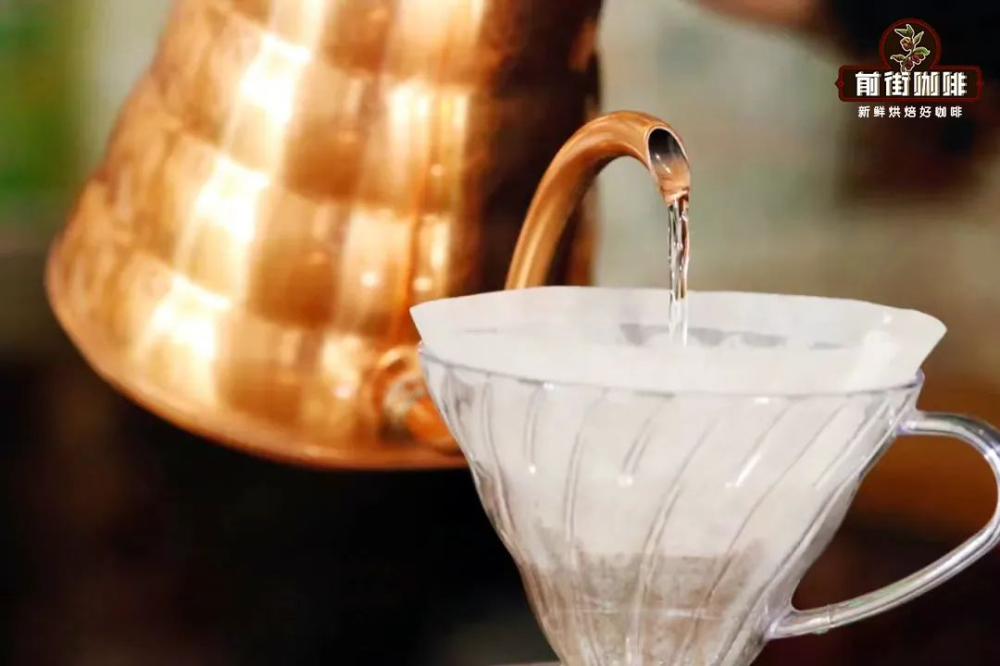
So, what are the differences between slow and fast pours in terms of flavor and the brewing process? First, under the same coffee-to-water ratio, a slow pour results in a longer overall extraction time due to the slower pouring speed, while a fast pour speeds up the process and shortens the total extraction time. Second, in terms of liquid level height, when the amount of water poured exceeds the drainage speed of the coffee bed, the liquid level will gradually rise. The greater the difference between the poured volume and the drained volume, the faster the liquid level will rise. Finally, in terms of flavor profile, a slow pour usually extracts a richer, more concentrated cup of coffee with relatively softer acidity. In contrast, a fast pour tends to highlight a clearer acidity with more distinct flavor layers, though the overall mouthfeel may feel thinner and less rich in body.
So, when should we choose a fast pour and when should we switch to a slow pour? This mainly depends on the state of the coffee bed and your individual brewing strategy. If you usually use a slow pour, it is recommended to adjust to a faster pour in the following situations: first, when the coffee bed is sinking slowly and you need to deliberately lift the bed to promote even extraction; second, when you notice that the overall extraction time is too long and there is a risk of over-extraction, you can shorten the time by increasing the flow rate; third, when you observe that the coffee bed is clogged, causing poor drainage, you can use a fast pour along with moderate stirring to help the bed regain flow and restore normal drainage speed.
On the contrary, if you usually use a fast pour, it is recommended to switch to a slow pour in the following scenarios: first, when you notice that the water drains too quickly, possibly due to a coarser grind size, you can switch to a slow pour to extend the extraction time and achieve a more complete release of flavors; second, when the liquid level rises too high due to overly fast pouring, you should pause pouring temporarily, wait for the liquid level to stabilize slightly, then continue with a slow pour; third, if you wish to reduce extraction efficiency in the final stage, you can switch to a moderately low intermediate flow rate during the last 20% to 30% of the total water volume to avoid over-extraction, which could lead to bitterness or unwanted off-flavors.
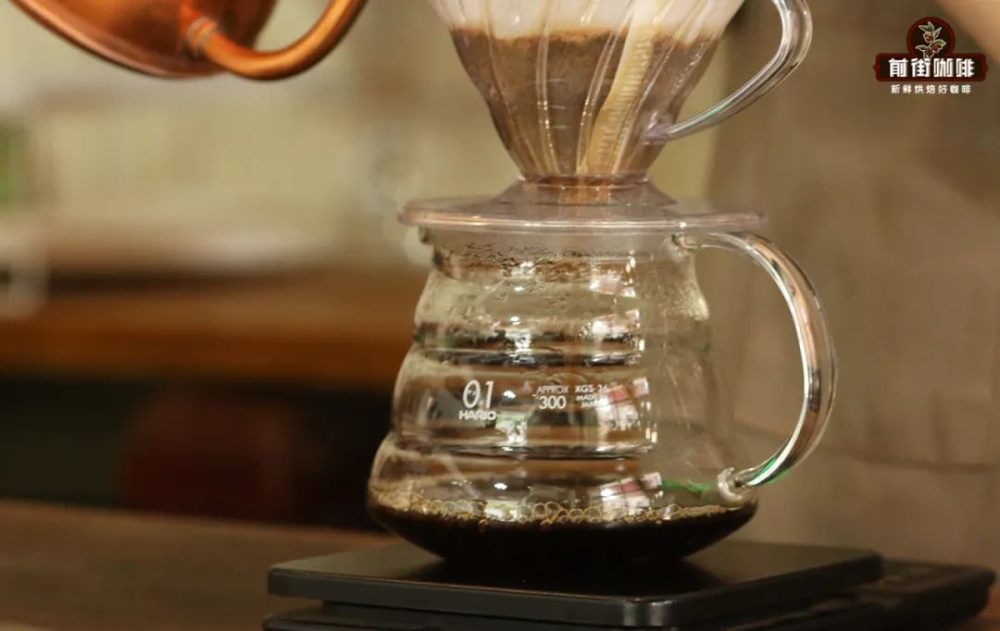
Finally, remember that regardless of whether you choose a fast or slow pour, you should avoid making overly drastic changes in flow rate. What we call increasing the flow rate should be a slight adjustment relative to your current base speed. For example, if you primarily use a flow rate of 5 ml/s and need to increase it, it is advisable to gradually raise it to 6–7 ml/s. Too large a change can destabilize the coffee bed and disrupt flavor balance. Therefore, the key lies in finding a stable pouring speed that suits both your technique and the characteristics of your coffee beans, while flexibly adapting to the extraction needs of different stages, in order to consistently present the best possible flavor of your coffee.
The above content is compiled by CoffeeHunters, a coffee news website.


