







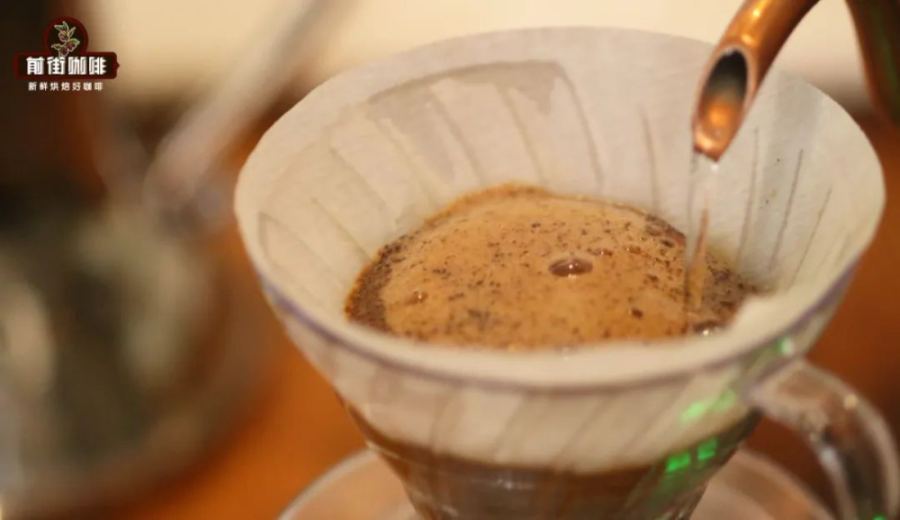
Introduction:When brewing pour over coffee, have you ever noticed the layer of foam floating on the filter? It not only affects the visual experience but also holds valuable information about the roast level and freshness of the coffee beans. This article delves into the composition and formation mechanism of the foam, helping you interpret coffee characteristics through the depth of color, evenness of distribution, and richness of the foam — and adjust your pouring strategy to enhance extraction quality.
During the pour over process, it’s common to see a layer of foam rise to the surface of the coffee. Sometimes it appears rich golden, other times thin and pale. The cause and behavior of this foam actually reveal a lot of important information about the coffee beans, including roast level and freshness. Understanding these details can help you more accurately adjust your pouring technique and thereby optimize extraction results.
When you begin pouring water, especially after the bloom, the foam released from the coffee grounds is primarily composed of carbon dioxide, tiny oil droplets, larger coffee particles, and a small amount of fine grounds.Among them, the larger coffee particles have a particularly significant impact on the color of the foam.These particles, due to slower water penetration, release gases over a longer period and therefore often float on the surface during the initial pouring phase, forming a darker-colored foam layer.
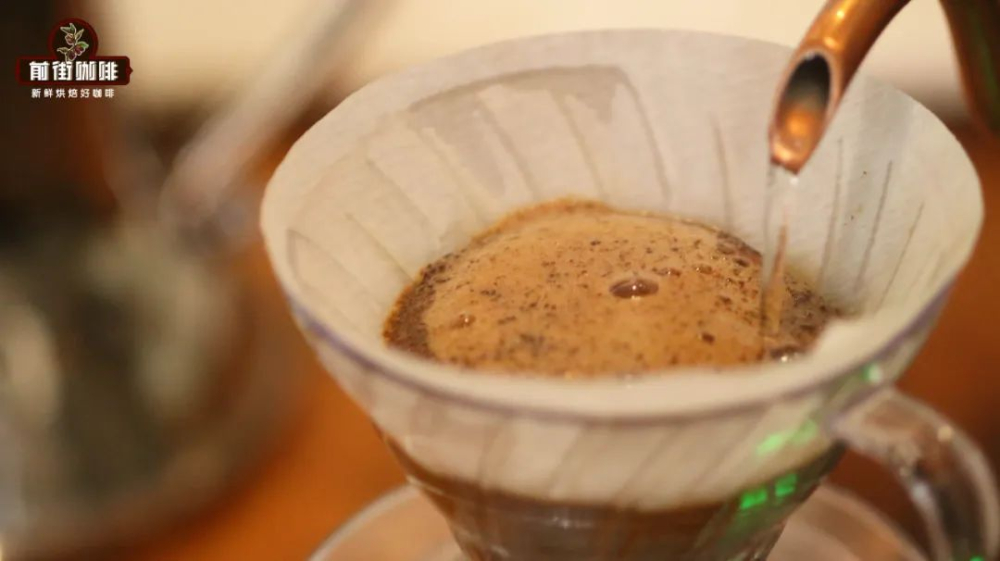
As you continue to pour, the larger particles that were originally floating on the surface gradually get washed downward, causing the foam color to shift from deep yellow to a lighter white. This is a natural process, and it also reminds us that while pouring, we canobserve the uniformity and color changes of the foam to adjust the radius and speed of our circular pouring accordingly.For example, if you notice that the center of the foam is noticeably darker, it may indicate that more coarse particles are lingering in that area. In such cases, you can reduce the pouring circle to ensure even extraction.
Different coffee beans produce varying amounts and appearances of foam during brewing. Some beans generate rich, long-lasting golden foam, while others produce little foam or even noticeable gaps. These differences mainly stem from two factors: the roast level of the beans and their freshness.
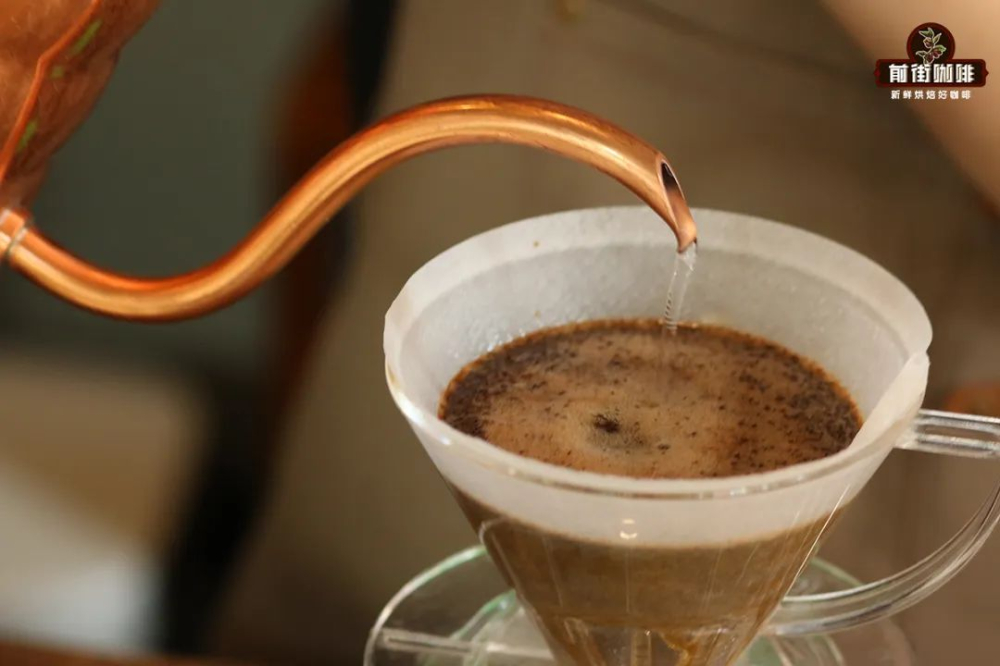
Generally speaking,dark-roasted coffee beans contain more oils and carbon dioxide, and their particle structure is looser, making them more likely to float on the surface and thus produce a richer layer of foam.In contrast, light-roasted beans have lower oil and gas content, and the beans are denser, so the amount of foam is usually less, and the foam tends to cling to the edge of the filter paper as the liquid level drops — which is a normal occurrence.
Besides roast level,the freshness of the coffee beans is also a key factor in determining foam quantity.Freshly roasted beans still retain a large amount of carbon dioxide inside, especially after the bloom stage, where water quickly releases these gases during pouring, resulting in abundant foam. But if the beans have been stored for too long, much of the internal carbon dioxide will have dissipated, leading to relatively limited foam production.
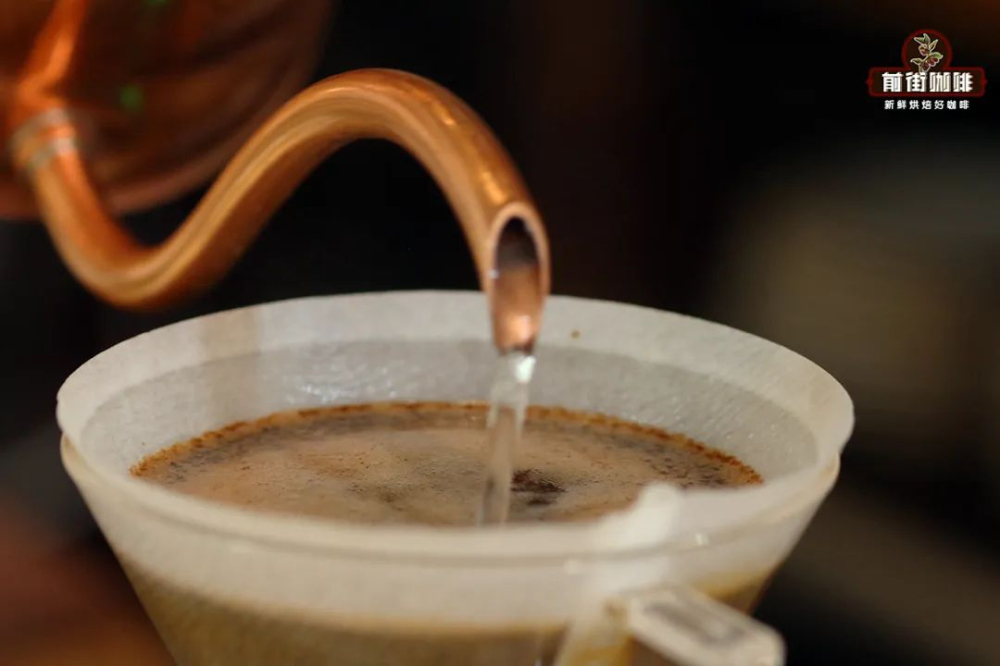
By comprehensively observing the richness, color, and distribution of the foam, you can assess the roast characteristics and preservation status of the coffee beans in your hands. Even if two types of beans look similar in color and have comparable flavor descriptions, the performance of the foam can help differentiate their actual differences. Additionally, combining observations of the bloom expansion provides a more holistic evaluation of bean freshness. In practice, adjusting your pouring method in real time based on foam conditions will help you better control the extraction rhythm and improve the overall performance of your pour over coffee.
The above content is compiled by CoffeeHunters, a coffee news website.


