







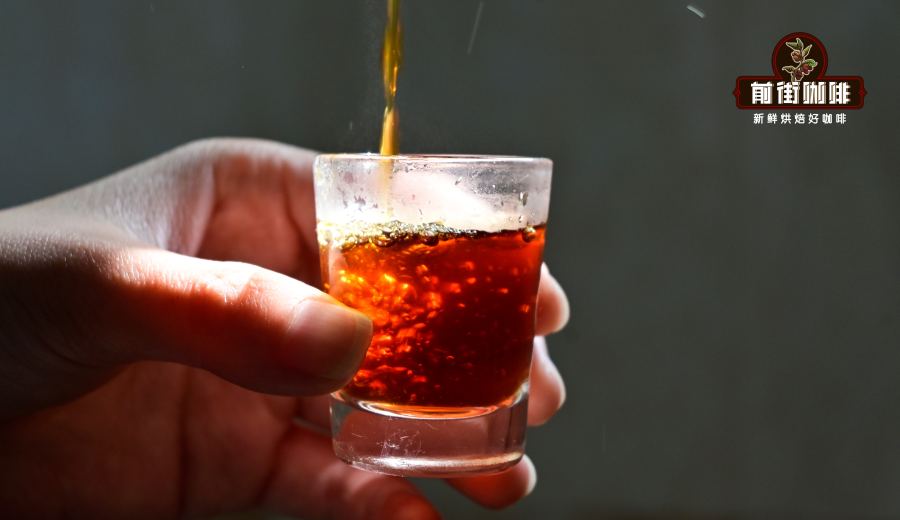
Introduction:Medium-dark roasted coffee is often perceived as noticeably bitter, but in reality, with the correct brewing method, it can showcase captivating caramel, nutty, and dark chocolate flavors. This article delves into the sources of bitterness in medium-dark roasts and provides practical pour over recommendations for classic beans such as Mandheling and Blue Mountain. These include grind size, water temperature, coffee-to-water ratio, and pouring techniques to help you brew a smooth, rich cup that’s full-bodied yet not overly bitter or astringent.
The acidity in coffee often brings vibrant floral and fruity notes, while bitterness carries deep caramel, dark chocolate, and nutty tones. The intensity of these flavors is largely determined by the degree of roasting. As coffee beans continue to be heated after the first crack, the longer the roasting time, the more pronounced the bitterness becomes. To brew a cup of coffee where the bitterness is layered and the aftertaste is sweet and lingering, the key lies in precisely controlling grind size, water temperature, coffee-to-water ratio, and pouring rhythm. This article starts with the principles of roasting to explain why medium-dark roasts produce bitterness, and offers practical pour over suggestions and specific parameters for classic beans like Mandheling and Blue Mountain, helping you avoid excessive bitterness and astringency and enjoy a rich, smooth coffee experience.
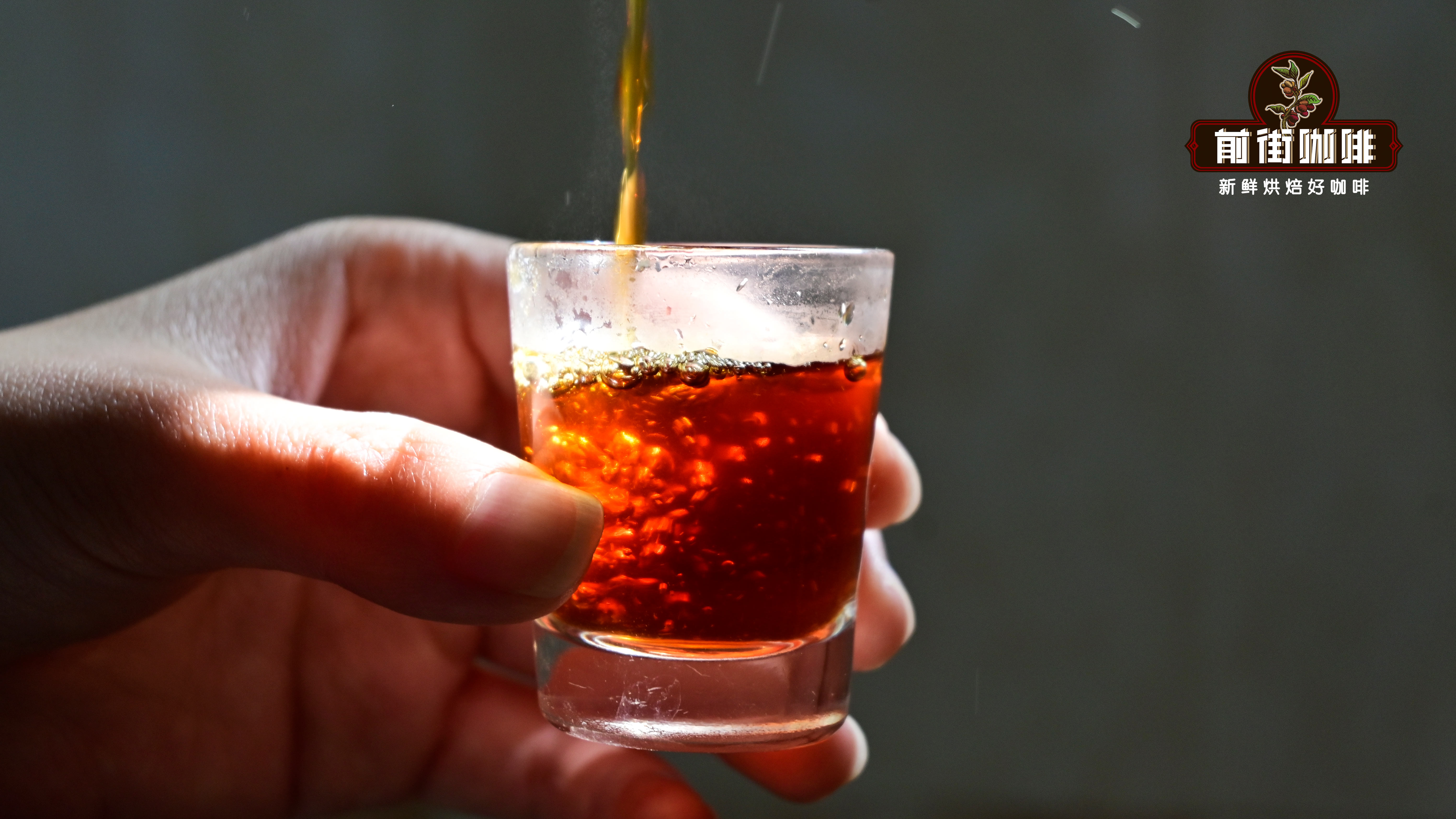
People who enjoy bright acidity in coffee usually appreciate the lively notes of flowers, fruits, and sugars it brings. However, those bitter-tasting cups can also tell different flavor stories. Many think bitterness is hard to enjoy, but when well-balanced, a bitter coffee can deliver a deep and layered taste experience—just like those moments in life worth savoring slowly.
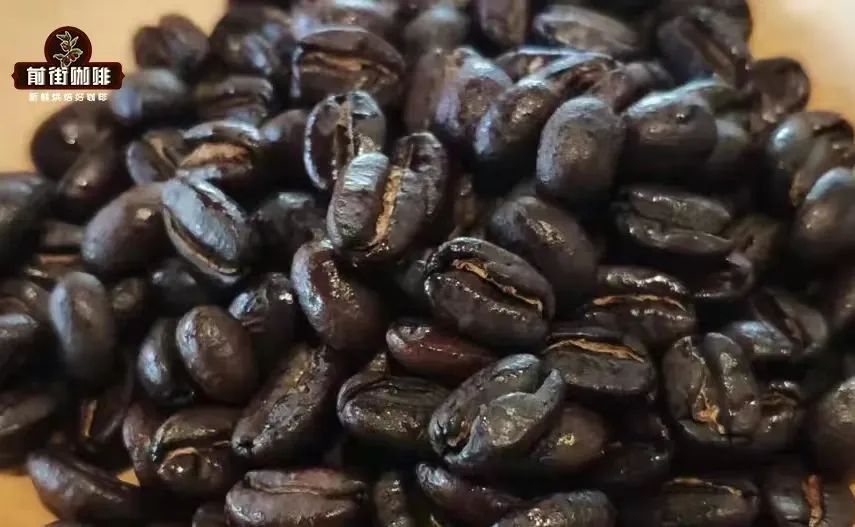
The interplay of acidity and bitterness in coffee is fundamentally tied to changes during the roasting stage. A critical turning point in the roasting process is known as the “first crack,” which occurs when the beans have absorbed enough heat, and internal pressure causes them to burst and release energy—in simple terms, the beans have been thoroughly heated and matured. If roasting is stopped right at the beginning of the first crack, the coffee will typically exhibit more pronounced acidity. If you wait a bit longer and roast until the first crack becomes more intense before stopping, you’ll get a flavor that balances acidity and sweetness. But if you continue roasting until the first crack completely fades, the resulting coffee will be dominated by bitterness—and the longer the roast, the stronger the bitterness.
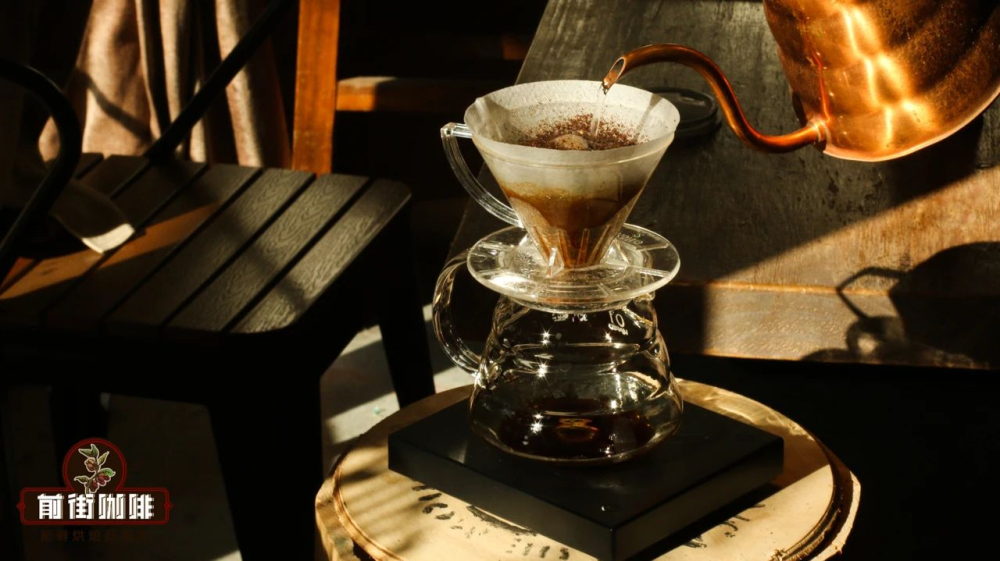
A coffee with intense bitterness isn’t necessarily over-roasted or of poor quality. In fact, when both roasting and brewing conditions are well-controlled, medium-dark roasted coffee can reveal rich caramel aromas, dark chocolate notes, and nutty flavors. This kind of bitterness is often not flat but layered, with a sweet finish, and a thick, smooth mouthfeel. That’s why many coffee enthusiasts still favor this style, enjoying its mellow and profound taste experience.
If you want to avoid an overwhelming, off-putting bitterness, it’s recommended to adopt relatively conservative brewing parameters: keep the water temperature between 86°C and 88°C, which can effectively reduce the impact of bitterness and make the overall flavor smoother. In terms of grind size, it should be slightly coarser than what’s preferred for acidic coffee. Taking a commonly used 20-mesh sieve as an example, you can set the extraction rate at around 70%. This grind size helps extend the extraction time while avoiding over-extraction that leads to bitterness and astringency.
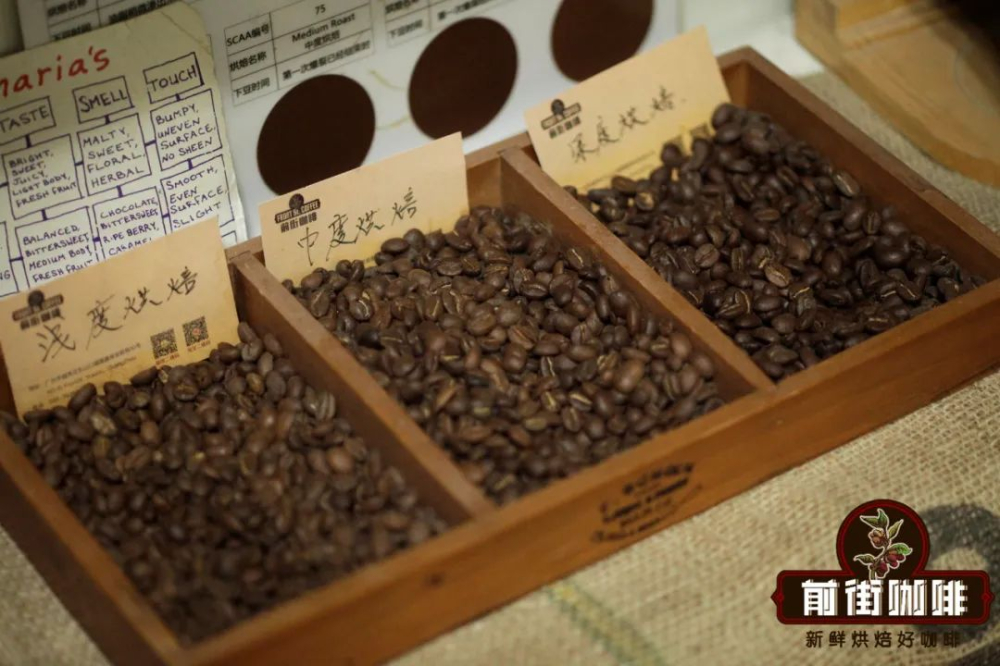
Regarding the coffee-to-water ratio, if you want to fully express the multi-layered flavors of the coffee, a higher ratio such as 1:16 is usually chosen—it’s suitable for beans with prominent fruity and floral acidity. But for medium-dark roasted coffee where bitterness is more pronounced, it’s recommended to use a slightly more concentrated ratio, which helps focus the flavors, prevents the bitterness from becoming too diffuse, and also enhances the overall body and richness. Of course, a ratio that’s too high can also make the cup feel overly heavy—for example, the strong, purely bitter Japanese-style coffee often uses a ratio around 1:12. Based on practical experience, a range of 1:13 to 1:15 usually better highlights the depth and smooth drinkability of medium-dark roasted coffee.
When choosing a filter cone, it’s advisable to prioritize designs with slower flow rates, such as the Kono filter or fan-shaped filters. These types of cones help stabilize and moderate the water flow, aiding in extracting a fuller body and gentler aroma, while reducing the coarse bitterness caused by over-extraction.
Finally, in terms of pouring technique, to make the extraction process smoother and avoid off-flavors and excessive bitterness, it’s recommended to use a slow, segmented pouring method with controlled pacing. A practical approach is to divide the pour into three stages: start with a bloom using twice the weight of the coffee grounds in water, then distribute the remaining water evenly between the second and third pours. For example, if you’re using 15 grams of coffee and brewing at a 1:15 ratio, the total water volume would be 225 milliliters, which can be broken down as 30 milliliters (bloom) → 100 milliliters (second pour) → 95 milliliters (third pour). This segmented method helps achieve even extraction while avoiding unpleasant bitterness caused by localized over-extraction.
The above content is compiled by CoffeeHunters, a coffee news website.


