







Introduction:The Limu coffee beans produced by the Kangunu Cooperative in Kenya’s Muranga region stand out with their distinctive K72 washed processing method and a blend of SL28, SL34, and Batian varieties, resulting in bright acidity and rich fruity aromas. This article takes you through the region’s environment, processing methods, bean variety background, and AA grade standards to give you a comprehensive understanding of this standout specialty coffee, along with practical V60 pour over parameters and techniques.
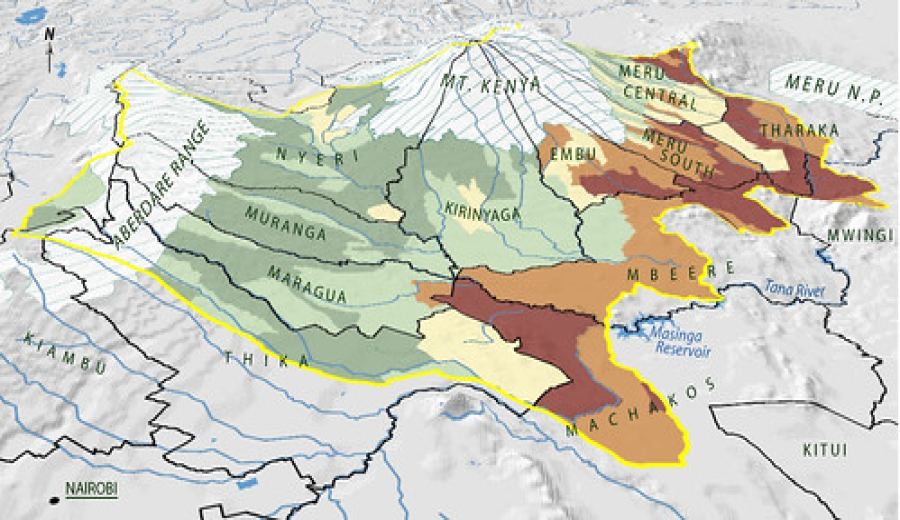
The Muranga region in Kenya borders Mount Kenya and is adjacent to the Nyeri region. Its volcanic soil is rich in various minerals, providing ample nutrients for coffee trees. Coupled with two rainy seasons each year—from March to April and from November to December—there is abundant rainfall, making artificial irrigation almost unnecessary for coffee cultivation here and creating exceptionally favorable growing conditions.
Within Muranga County, there are multiple coffee bean processing facilities. Since most local farmers operate on a small scale with limited individual yields, they typically deliver their harvested coffee cherries to nearby processing plants for centralized production, ensuring consistent quality.
The Kangunu Cooperative is located in the Kangema area of Muranga County, at an altitude between 1,600 and 1,750 meters, surrounded by over two thousand coffee cooperatives. The cooperative adheres to the principle of harvesting and processing on the same day to ensure the freshness and processing quality of the beans, earning it a strong reputation locally. In addition, both the Kangunu Cooperative and its partner producers have obtained Rainforest Alliance certification, committing to minimizing environmental impact through eco-friendly practices.
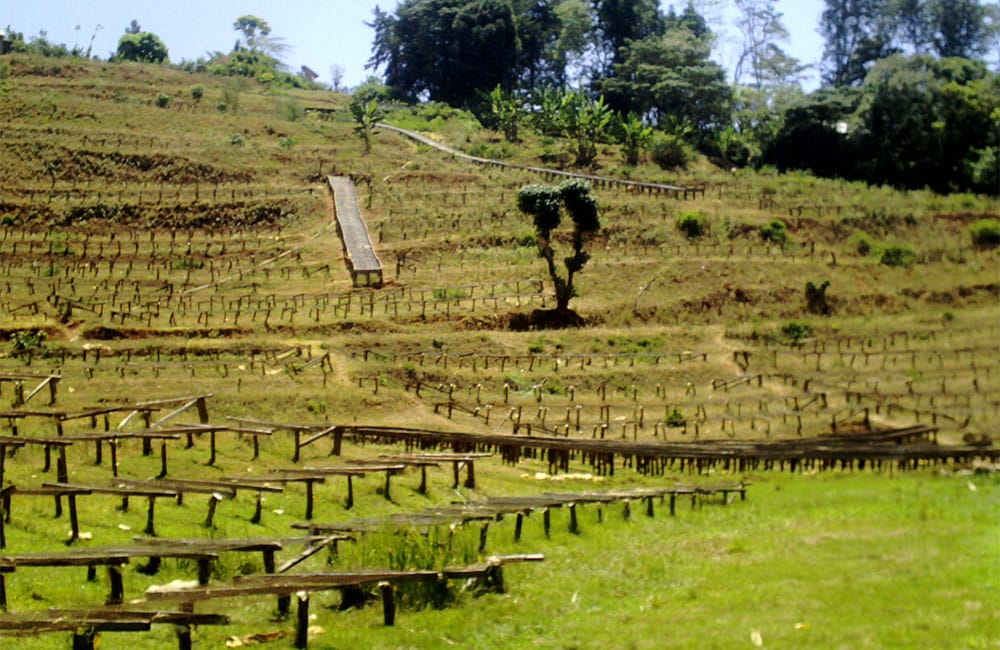
In terms of processing, the Kangunu Cooperative employs Kenya’s unique K72 washed process. First, the coffee cherries are depulped and then soaked in water for 24 hours of fermentation, primarily to remove about 90% of the mucilage. This is followed by a second washing phase, where the preliminarily cleaned beans are soaked for another 24 to 48 hours to thoroughly eliminate any remaining mucilage. Finally, the beans are placed on raised beds for sun drying, a process that usually takes 5 to 10 days to ensure the optimal moisture content is achieved.
The Limu coffee beans introduced here belong to Kenya’s AA grade, which requires green beans to be between 17 and 18 screen size and to undergo strict defect sorting to ensure each bean meets high-quality standards.
The Limu coffee beans consist of three main varieties: SL28, SL34, and Batian. The “SL” stands for Scott Laboratories, a research facility in Kenya. Back in the 1930s, Kenya’s coffee trees were widely affected by coffee berry disease. Commissioned by the government, Scott Laboratories focused on developing new disease-resistant varieties with excellent flavor profiles. Among them, varieties No. 28 and No. 34 demonstrated outstanding disease resistance and remarkable flavor, leading to their widespread cultivation.
The Batian variety is an important achievement in Kenya’s coffee disease-resistance breeding efforts, officially launched in 2010. This variety not only exhibits high tolerance to various coffee diseases and stable yields but also retains notably elegant flavor characteristics. In recent years, its cultivation area in Kenya has been gradually expanding.
These Limu coffee beans are lightly roasted to preserve their natural fruity aromas to the greatest extent. Cupping results show that their flavor profile is dominated by hawthorn, berries, plums, and dried fruits, with bright and lively acidity, pronounced sweetness, and rich layers.
For brewing, it is recommended to use a V60 dripper with water temperature controlled between 90–91°C, a coffee dose of about 15 grams, and a brew ratio of 1:15. The grind size can be similar to that of fine sugar, or you can use a #20 sieve to achieve a fineness with about 80% passing rate.
The specific brewing steps are as follows: Start with a 30-second bloom using 30 grams of water, then pour water in small circular motions. When the total water volume reaches 124 grams, perform the first pour break. Once the water level drops to just about to expose the coffee bed, continue pouring until you reach 228 grams, then stop. Finally, wait for the water level to drop again and just about to expose the coffee bed before removing the dripper. The total brew time is approximately 1 minute and 55 seconds.
The brewed Limu coffee delivers an initial bright acidity reminiscent of hawthorn and black plum, which becomes even more distinct as the temperature cools, with the sweetness of dried fruits becoming clearer. The overall mouthfeel is full-bodied and layered, making it an excellent choice for coffee lovers who enjoy fruity profiles and vibrant acidity.
The above content is compiled by CoffeeHunters, a coffee news website.


