







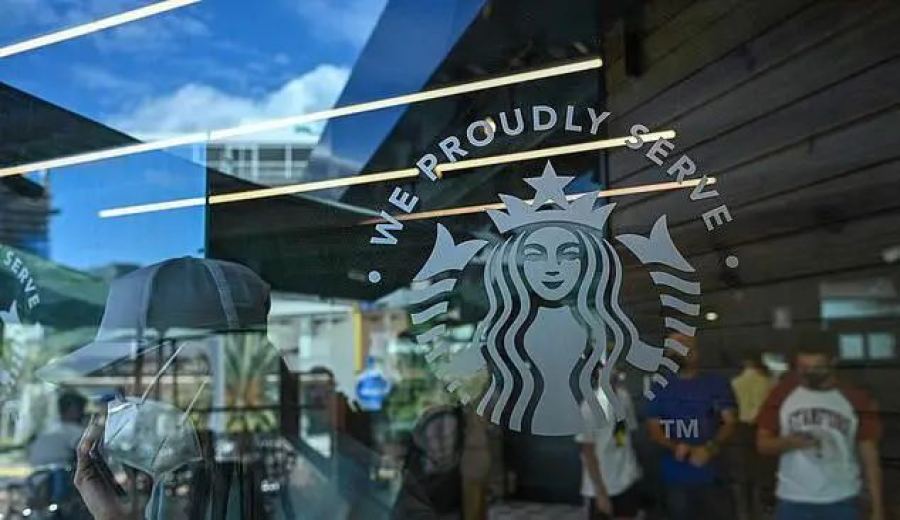
Introduction:Have you ever seen a store logo online that looks strikingly similar to Starbucks? From knockoff Starbucks outlets on the streets of Venezuela to a “We Proudly Serve Starbucks” sign on a U.S. university campus, these seemingly identical brands actually differ greatly. This article delves into the official partnership model of Starbucks Coffee Services, clarifies the differences between genuine and counterfeit operations, and reviews the full story of the Venezuela incident to help readers distinguish authenticity and learn more about the practical details of coffee brand operations.
At the end of 2021, a coffee shop that looked extremely similar to Starbucks appeared in Caracas, the capital of Venezuela. Not only did its interior decor and logo closely resemble the original, but its drink prices were also lower than market rates, sparking heated discussion online. Surprisingly, a similar logo soon appeared on the campus of Glenville State University in West Virginia, USA, leading some to wonder if the imitation trend was spreading. However, the truth is not as simple as it seems.
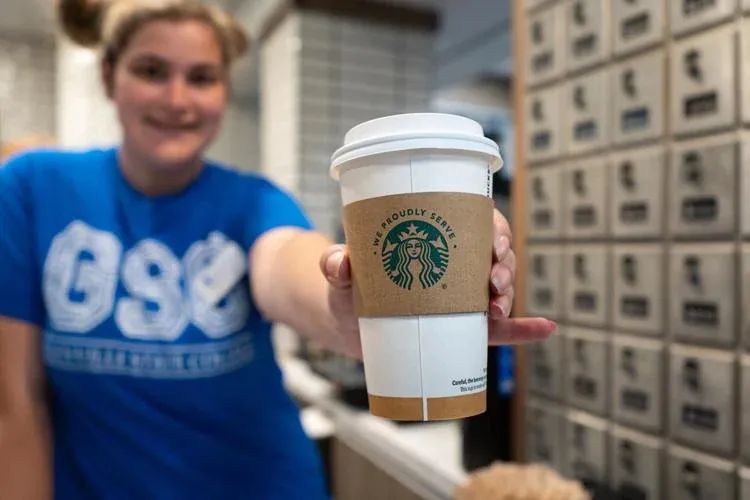
According to local media reports, this newly opened coffee shop at Glenville State University officially began operations on August 15, 2024, primarily serving students and faculty on campus. The cup sleeves used in the shop feature a design similar to the Starbucks logo, but clearly marked with the words “WE PROUDLY SERVE” at the top. This slogan is nearly identical to the one on the controversial store sign in Venezuela,but the business models behind the two are completely different.
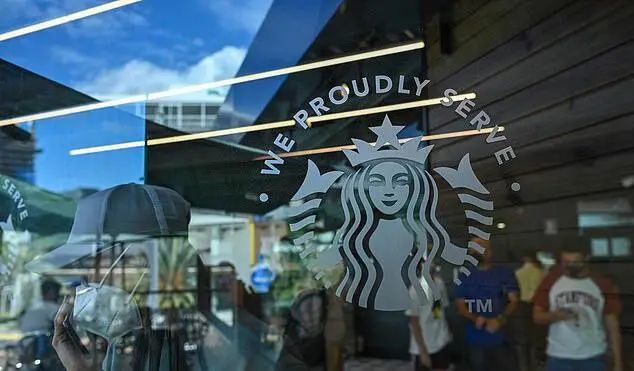
Looking back to December 2021, the so-called “Starbucks coffee” shop in Venezuela, which was suspected of being a counterfeit, not only displayed the green mermaid logo in its storefront windows, but its staff also wore T-shirts and green aprons printed with a similar logo. At the time, the drinks at this shop were priced at less than half of those at a genuine Starbucks, attracting many customers to visit and even share photos on social media. Despite Venezuela’s poor economic conditions at the time, with frequent power and water outages, people still longed for the symbol of “premium consumption” from the past, and were therefore willing to support the shop even if they knew it might be a fake.
In response to the brand being counterfeited, Starbucks officials quickly issued a statement emphasizing that the company did not have any official stores in Venezuela. In fact, the so-called “We Proudly Serve” logo,is part of the “Starbucks Coffee Service” program launched in partnership between Starbucks and Nestlé, and is not an act of counterfeiting.
According to official information provided by Nestlé, Starbucks Coffee Service is a solution provided by Nestlé and its authorized distributors to offer Starbucks-branded coffee beverages in locations outside of Starbucks company-operated stores, such as office buildings, campuses, hospitals, etc. These services typically involve machine-brewed or freshly prepared coffee, allowing consumers to enjoy Starbucks-flavored coffee outside of Starbucks outlets,but are not directly operated by Starbucks.
As for the “We Proudly Serve” coffee shop on the campus of Glenville State University, according to information on the school’s official website, this service was introduced in August 2023 after signing a contract with a partner, and is not the counterfeit shop involved in the Venezuela incident. Faculty and staff at the university stated that the establishment of this coffee shop not only provides a comfortable space for interaction among students and faculty, but also helps enhance the overall learning atmosphere on campus.
As for the suspected counterfeit shop in Venezuela, according to local media reports, shortly after Nestlé issued its statement, the shop quickly covered up its brand logo and suspended operations. The Venezuelan National Commission of Commerce and Services issued a stern statement, emphasizing that counterfeiting internationally renowned brands is an illegal act. Legal experts pointed out that some businesses in the country have long attracted consumers by imitating international brands, which not only damages the reputation of genuine brands but may also face legal prosecution.
In summary, the “We Proudly Serve Starbucks” logo does not represent a counterfeit store, but rather a coffee service program in partnership between Starbucks and Nestlé, aiming to bring Starbucks-flavored coffee to more non-store locations. The Venezuela case reminds us that even if the appearance is very similar, there are fundamental legal and business model differences between the genuine and the counterfeit. Understanding these details can help consumers enjoy their coffee while also identifying brand authenticity and supporting legitimate operations.
The above content is compiled by CoffeeHunters, a coffee news website.


