







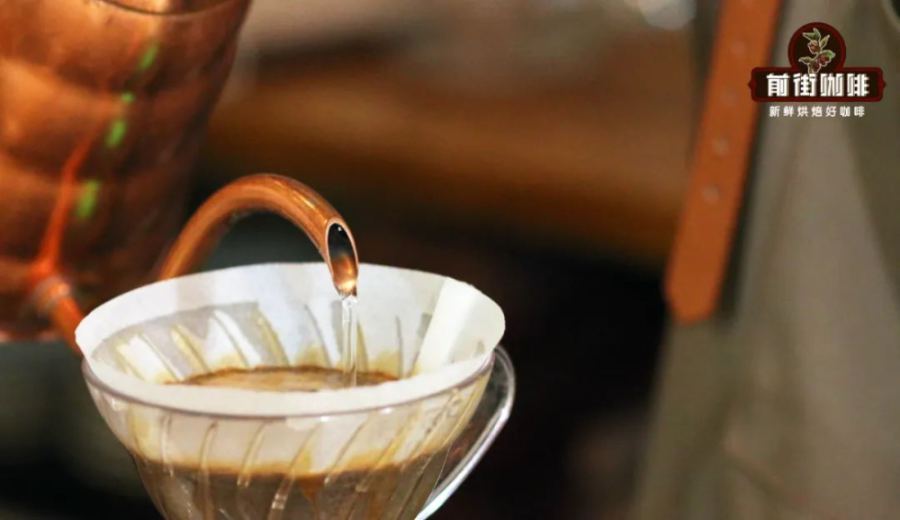
Introduction:Channeling is a common yet often overlooked extraction issue in pour over brewing, leading to uneven flavor and reduced extraction efficiency. Understanding its causes—such as an incomplete coffee bed, excessive water flow, or improper pouring techniques—can significantly improve coffee quality. This article delves into several typical manifestations of channeling and offers practical advice to help you refine your pour over skills.
During the pour over process, channeling is a common yet not easily noticeable problem. Simply put, it occurs when water does not evenly penetrate the entire coffee bed but instead takes the path of least resistance, flowing quickly through certain areas while leaving other parts of the coffee grounds under-extracted. This phenomenon can happen in both pour over and espresso brewing, but it is often less obvious in pour over and can still affect flavor balance.
To understand channeling, you can first imagine an ideal extraction scenario: hot water flows uniformly through all layers of coffee grounds, extracting the flavorful compounds. However, water naturally seeks the path of least resistance. Once there are loose or weak spots in the coffee bed, the water will preferentially flow through these areas, creating what is known as a "channel."
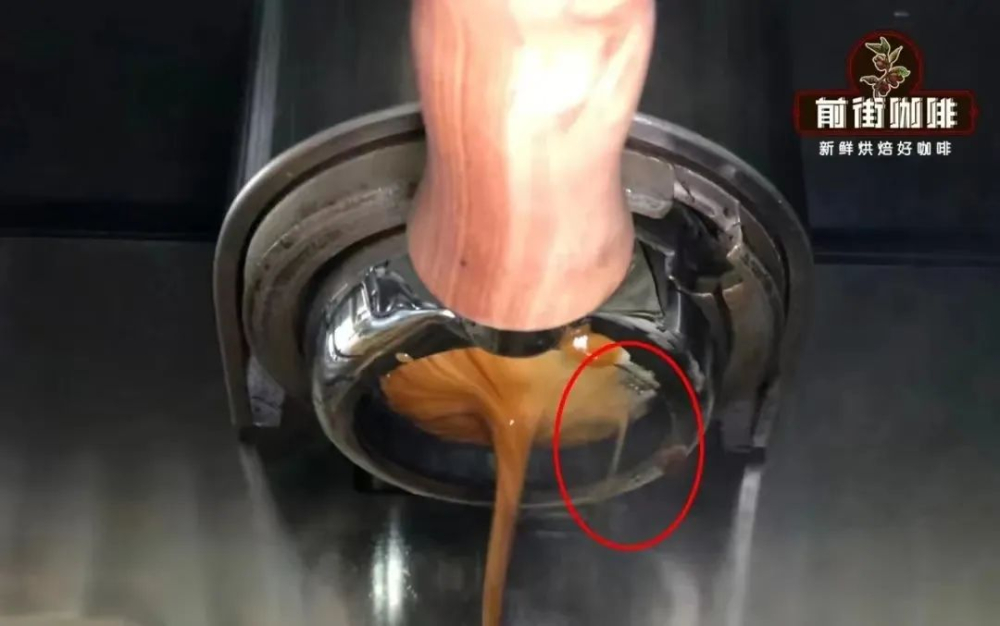
Take espresso as an example. When coffee grounds are evenly tamped, the resulting coffee puck effectively prevents water from taking shortcuts, forcing it to penetrate every layer of coffee for a relatively stable extraction. But if the coffee is unevenly distributed or the puck has inconsistent density, water can easily break through the looser areas, creating holes that result in some coffee grounds being unused and under-extracted. In such cases, the coffee liquid often appears lighter in color and shows clear signs of these punctures.
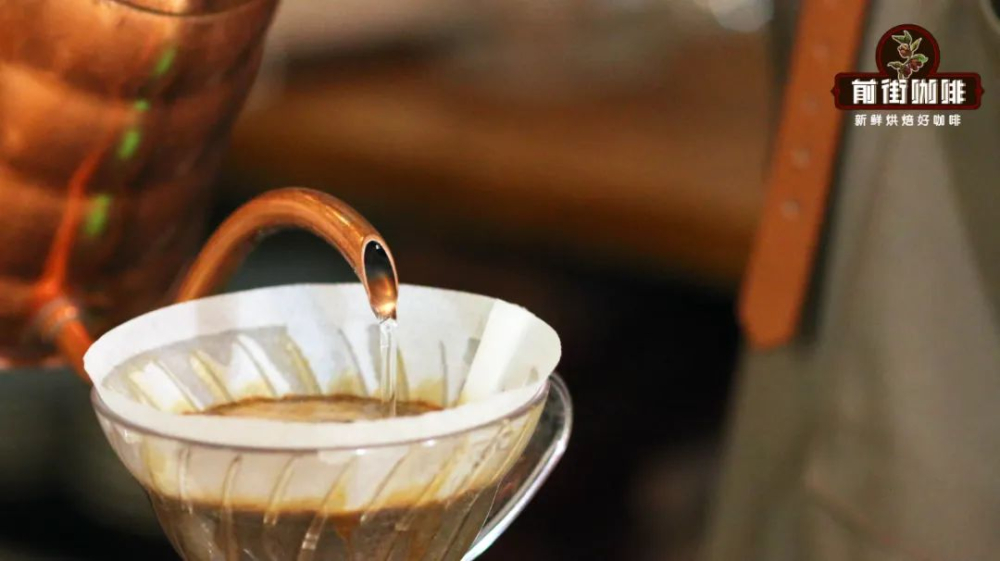
So, does channeling also occur in pour over brewing? The answer is yes. Although pour over doesn’t involve high pressure like espresso, any form of filtered extraction carries the risk of channeling. Especially when using a V60 dripper, for instance, its spiral ridges on the inner wall—though helpful for expanding the filter paper and extending contact time—can also guide water to flow rapidly along those ridges. If the edges lack a complete coffee bed wall for protection, some water may bypass the coffee grounds entirely and flow out directly.
When you notice obvious gaps or an incomplete coffee bed wall at the edge of the dripper after brewing, it usually indicates that channeling has occurred. Water may have bypassed most of the coffee grounds, flowing directly through the gap between the dripper and the filter paper, leading to uneven extraction. Additionally, if the pouring stream is too forceful or arced, even if the surface coffee bed appears intact, the area beneath may already be compromised, causing a large amount of water to flow through without adequately contacting the coffee grounds. This often results in coffee with a light flavor, astringency, or off-tastes.
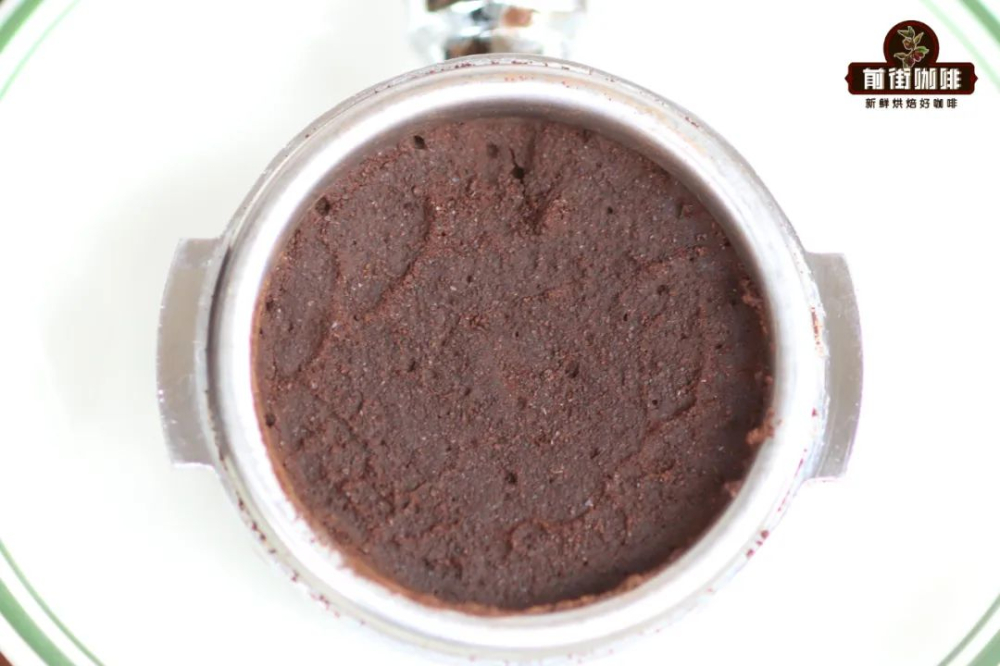
It’s worth noting that even if the coffee bed wall looks intact after brewing, hidden channels may have already formed. For example, during continuous circular pouring, the impact of the water stream might only reveal punctures after the liquid level drops. At that point, the surface coffee grounds may have naturally covered the punctured area, giving the false impression of even extraction, while some sections have long been neglected.
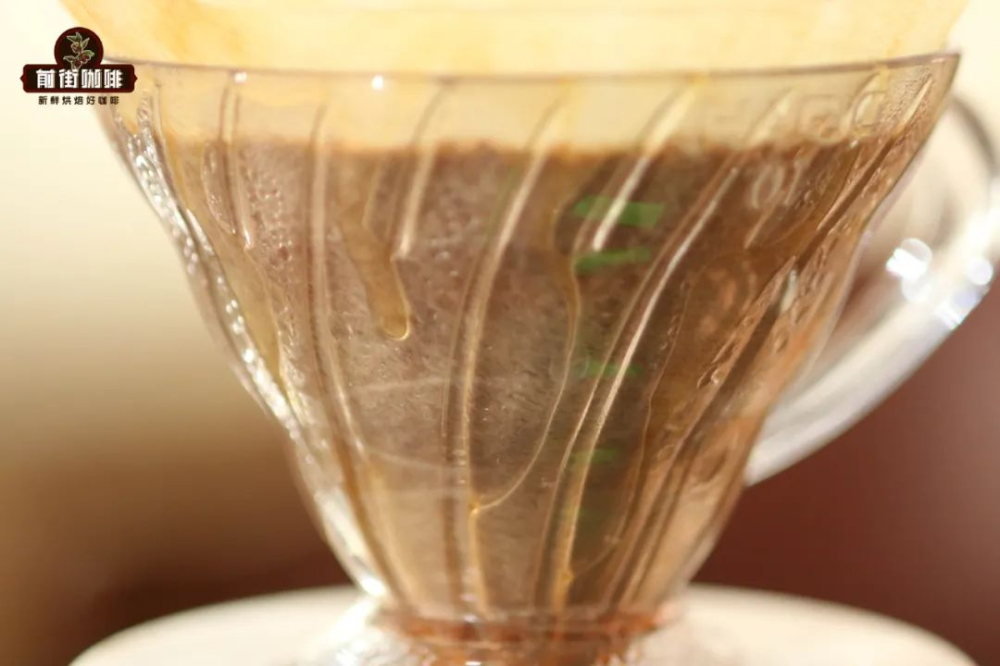
Another common but milder form of channeling occurs when using light roast coffee beans. Due to the denser fiber structure of light roasts, fewer coffee grounds float on the liquid surface initially. When the liquid level rises to a certain height, if there isn’t enough coffee to support it, voids can easily form beneath the surface, allowing some water to pass through without adequate extraction. This type of issue typically only affects the upper flow of the liquid. Once the liquid level drops, the impact lessens, but it’s still advisable to control the pouring height and speed to avoid forming voids too early.
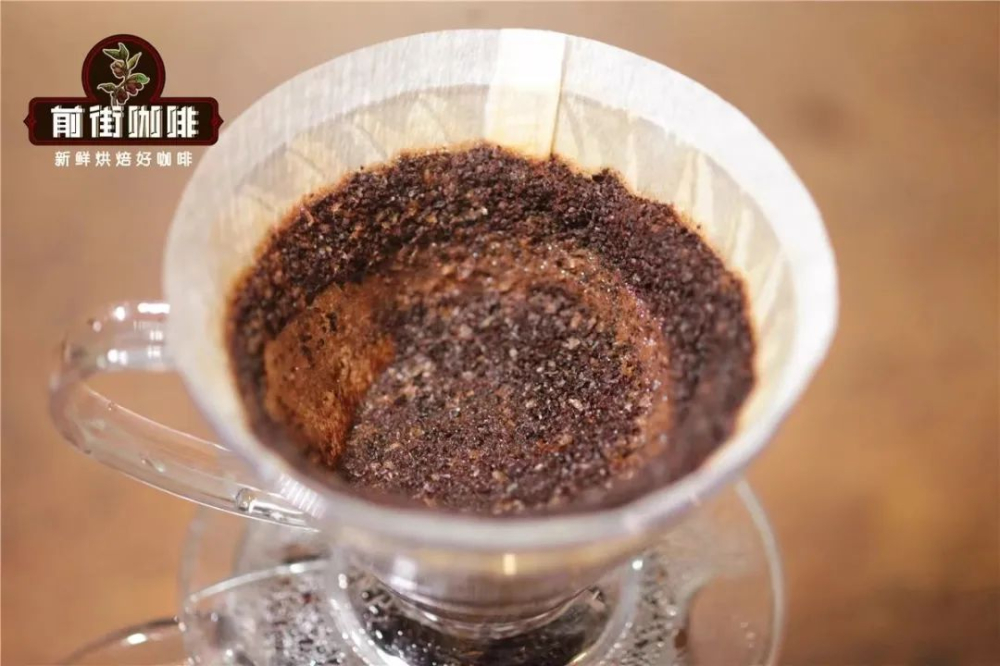
In summary, to reduce channeling in pour over brewing, you can focus on several aspects: ensuring even coffee distribution, avoiding single-point pouring, controlling water flow intensity and angle, and paying attention to the integrity of the coffee bed wall. By observing the state of the coffee bed, the direction of the water flow, and changes in the color of the brewed coffee, you can make timely adjustments to your brewing strategy, further enhancing the flavor and extraction stability of your pour over coffee.
The above content is compiled by CoffeeHunters, a coffee news website.


