







Introduction:Two Starbucks outlets in the UK announced that they would only accept electronic payments, sparking public doubts as to whether this was part of a unified brand policy. In fact, the decision was made individually by the franchise operators, and Starbucks UK has emphasized that cash payment remains a mainstream option. This article delves into the full story of the incident, reviews the brand’s historical tests and stance on cashless payments, and helps consumers understand their rights and future trends.
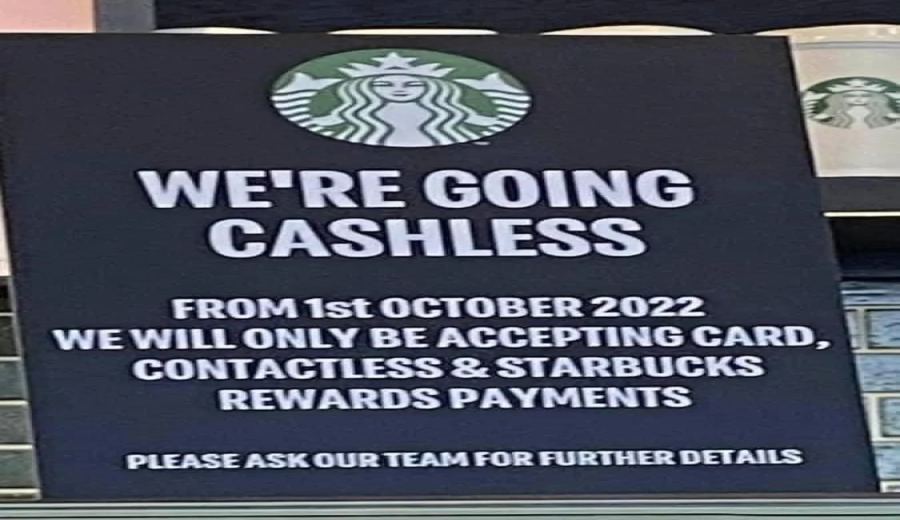
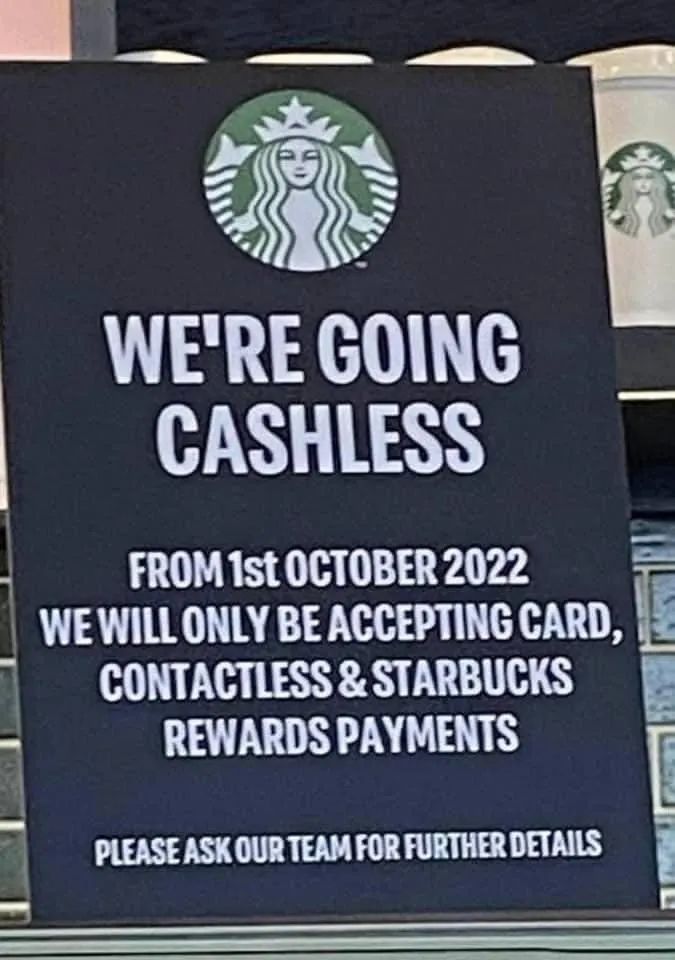
Recently, users on UK social media platforms shared photos showing that two local Starbucks stores had posted notices stating that starting from October 1 of this year, they would no longer accept cash, taking only credit cards, mobile payments, or transactions via the official Starbucks app. The news immediately sparked heated discussion online, with many consumers expressing concern that the move would limit payment options, particularly affecting those accustomed to using cash.
Since the two stores posted notices with nearly identical content at almost the same time, many people mistakenly believed this was a cashless policy pushed by Starbucks headquarters, leading to questions about whether the brand was deliberately excluding cash payments. The discussions quickly spread across major media and social platforms, becoming a recent focus of attention in the coffee industry.
In response to the growing public debate, Starbucks UK promptly clarified that the two stores were operated by different franchise partners, and therefore their payment policies were independently decided by each outlet, not part of the company’s overall strategy. Starbucks emphasized that the vast majority of its stores in the UK still accept cash payments, and that cash remains one of the payment options valued by the brand.
In fact, Starbucks has previously conducted tests of cashless payments in some of its US stores, primarily to evaluate the impact of this model on the customer experience. According to a 2018 report by CNBC in the US, the test was not rolled out comprehensively, indicating that the brand remains cautious about promoting a cashless approach. At the time, former Starbucks CEO Kevin Johnson pointed out that about 30% of transactions in US stores were completed via mobile phones, and another 40% used Star Value, similar to the Starbucks Rewards card, which offered additional discounts and loyalty points.
In the Chinese market, where electronic payments are highly prevalent, the proportion of electronic transactions in Starbucks stores once reached as high as 60%. However, even against the backdrop of widespread electronic payments, Starbucks has never completely abandoned the cash option. During the COVID-19 pandemic in 2020, while actively promoting contactless payments and related rewards, the company explicitly stated that cash “is also an option” and did not mandate the cancellation of cash transactions.
This cashless move by Starbucks stores in the UK,is solely an individual decision by the local franchise operatorsand does not reflect the official stance of Starbucks globally or at its UK headquarters. For consumers, understanding the differences in payment policies among various stores, as well as the brand’s historical position on payment methods, can help them make more appropriate choices in their daily purchases.
This controversy also reminds us that even as digital payments become increasingly common today,cash payment remains an important option for many consumers, and how brands balance the needs of different consumer groups when promoting payment innovations will be an issue worth continuous attention in the future.
The above content is compiled by CoffeeHunters, a coffee news website.


