







Introduction:The coffee from Ethiopia’s Bensa town is humorously dubbed "Ban Sha coffee" due to its pronunciation, sparking a playful association of "coffee as traditional Chinese medicine." In recent years, brands like Tong Ren Tang have launched herbal coffee creations such as goji latte and hawthorn-tangerine peel americano, igniting a trend that blends wellness with coffee. However, pairing herbs with coffee requires careful consideration. This article explores the origins of herbal coffee, market trends, and practical drinking considerations.
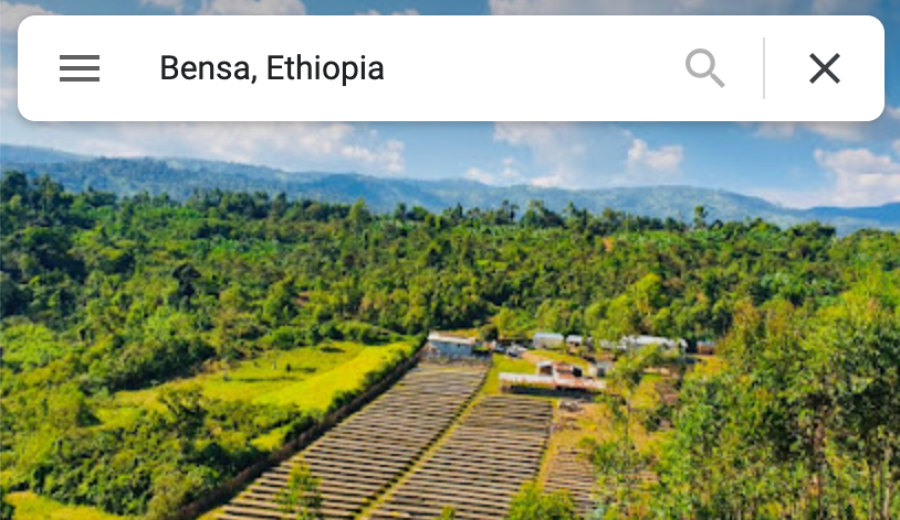
In Bensa, a small town in eastern Sidamo, Ethiopia, most of the coffee is grown on family-run farms. After harvest, the beans are processed at centralized stations in town and exported under the name "Bensa." Because the pronunciation of "Bensa" in Cantonese sounds similar to "Ban Sha," a common herbal tea, netizens jokingly call it "Ban Sha coffee," leading to the humorous notion that "coffee is like traditional Chinese medicine and can be good for your health."
Behind this amusing internet meme lies a reflection of the growing consumer trend of blending traditional Chinese medicine with coffee. Especially in mainland China, an increasing number of young people are focusing on wellness. According to the "2017–2022 China Health and Wellness Industry Market Development Status and Investment Prospects Forecast Report," those aged 18 to 35 make up 83.7% of the wellness demographic, prompting many industries to explore the possibilities of "wellness + trendy beverages."
Among these, coffee—as a globally popular beverage—naturally became one of the top choices for integrating wellness concepts. In 2020, the renowned traditional Chinese medicine brand Tong Ren Tang launched a series of creative coffee drinks incorporating herbal ingredients, including goji latte, motherwort-rose latte, hawthorn-tangerine peel americano, and longan-red date pour over coffee. These products successfully captured the attention of young consumers. They not only satisfy the taste buds but also cater to modern people’s desire for a "ritualistic approach to wellness."
The so-called "punk wellness" refers to maintaining a sense of self-satisfaction that "I’m taking care of my health" even with a fast-paced lifestyle and habitual late nights, often through coffee infused with traditional Chinese herbs. Phrases like "staying up late with red date coffee" or "drinking coffee to replenish qi and blood" have become popular topics on social media, further fueling the trend of herbal coffee.
Many coffee shops have also jumped on this bandwagon by decorating their stores to resemble traditional Chinese pharmacies or herbal tea shops, creating a wellness atmosphere through visuals. Even though most drinks still use specialty coffee as the base, the goal is to help customers feel less worried about "coffee causing internal heat" while enjoying their beverage.
However, combining traditional Chinese medicine with coffee is not without risks. Some businesses, in pursuit of online virality, blindly add ingredients like Huo Xiang Zheng Qi Ye (a traditional Chinese medicine for colds, which should not be taken with cold foods) to create so-called "Huo Xiang Zheng Qi iced americano." These drinks not only taste strange but may also have adverse effects on the body.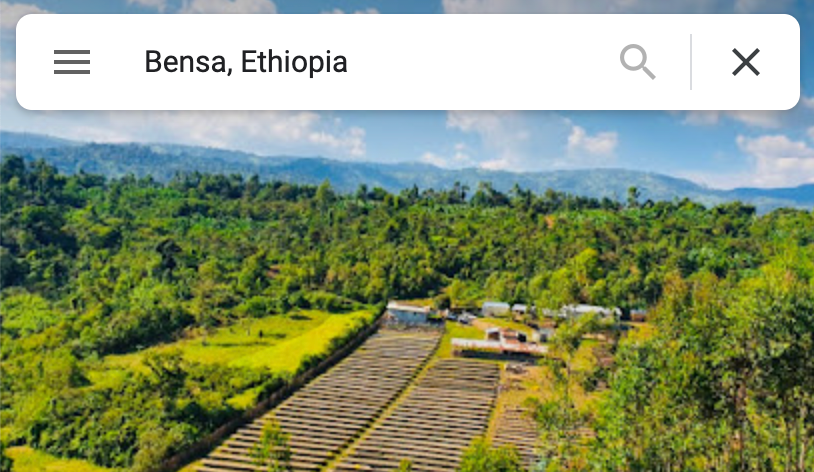
In fact, the selection of traditional Chinese herbs should follow the principle of "medicine and food sharing the same origin"—substances that are both medicinal and commonly used as food, such as goji, longan, and red dates, are more suitable for pairing with coffee. These ingredients generally have mild flavors, are less likely to clash with the bitter-sweet profile of coffee, and are relatively safer for most people.
However, it’s important to note that overly strong herbal flavors can easily mask the unique characteristics of coffee, affecting the overall tasting experience. Additionally, individual reactions to herbal ingredients vary; for example, some people may be allergic to or experience digestive discomfort from goji or tangerine peel. Therefore, when trying coffee with herbal ingredients, it’s advisable to start with a small amount and pay attention to any physical reactions.
In summary, the rise of herbal coffee is not just a market phenomenon but also represents modern consumers’ exploration of the dual demands for health and flavor. For producers, mastering the balance between herbal properties and coffee flavor is crucial; for consumers, it’s important to approach these innovative drinks rationally and avoid blindly following trends, in order to truly enjoy a coffee experience that is both fun and reassuring.
The above content is compiled by CoffeeHunters, a coffee news website.


