







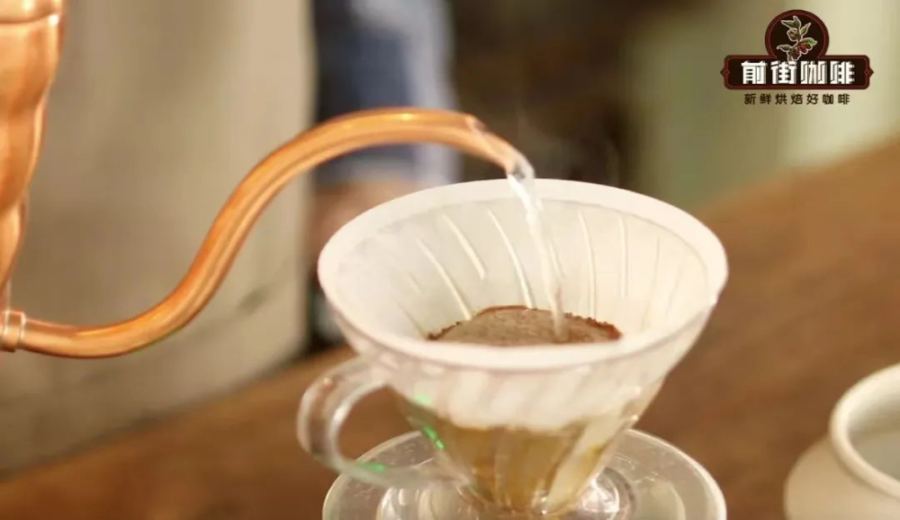
Introduction:Blooming is the crucial first step that influences the flavor of pour over coffee, yet its importance is often overlooked. This article delves into the carbon dioxide release mechanism behind blooming, teaching you how to identify signs of under-blooming, over-blooming, or just-right blooming, and mastering techniques to adjust blooming time flexibly based on resting period, roast level, and pouring method. With practical details and scientific principles, break free from the generic 30-second recommendation and brew more balanced, layered coffee.
Throughout the entire pour over process, blooming plays a pivotal connecting role. This seemingly simple step directly affects the aroma and taste in the final cup. Many beginners who have just started pour over know they need to bloom, but often have only a vague understanding of "why bloom," "how long to bloom," or "when to adjust." This article starts with the fundamental principle of how carbon dioxide in coffee grounds hinders flavor release, helping you distinguish between blooming that is too short, too long, or just right—along with their subsequent impacts—and further analyzes how resting time, roast degree, and pouring methods realistically influence blooming duration.
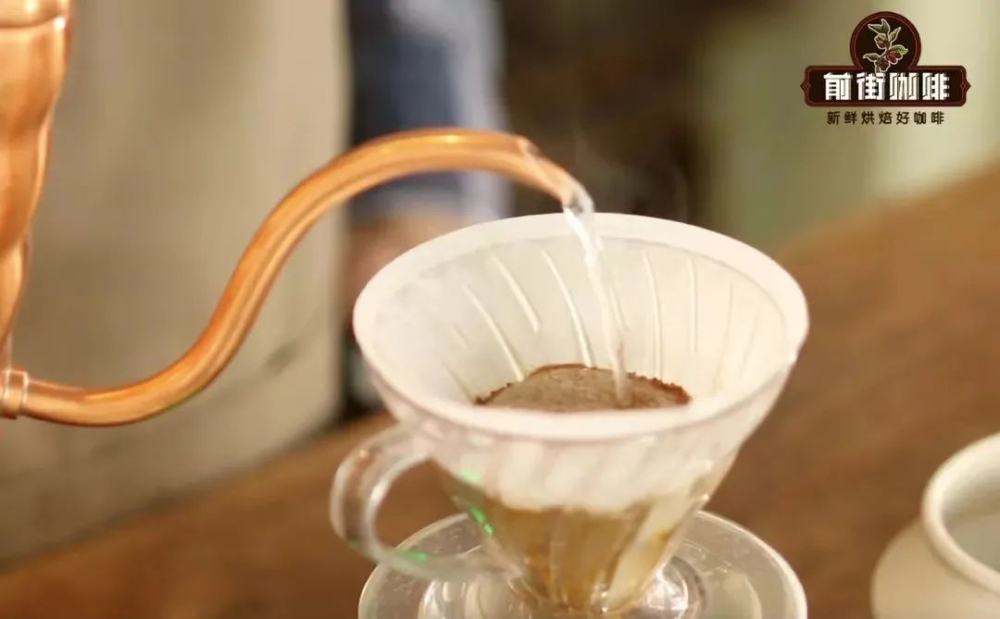
Mastering blooming techniques is essential knowledge for every pour over enthusiast. To brew a coffee with clear flavor, one key aspect is understanding blooming’s role in the overall extraction. It not only relates to whether aromas are successfully released, but also affects how smoothly water flows through the coffee bed. This article focuses on blooming time—an often glossed-over aspect—helping you progress from "following the default 30 seconds" to adjusting flexibly based on bean characteristics, thereby enhancing the flavor performance of every pour over cup.
First, let’s answer a basic question: Why is blooming essential in pour over coffee? This is because freshly ground coffee contains not only a rich variety of flavor compounds but also a large amount of carbon dioxide. If these gases are not properly released, they will continue to escape during subsequent pouring, disrupting even water penetration and affecting overall extraction efficiency and flavor expression. The commonly recommended 30-second blooming time is a relatively safe duration derived from observing the expansion of the coffee bed and gas release under standard circular pouring for most coffee beans.
In reality, blooming time can generally be divided into three states: insufficient, excessive, and just right. When blooming time is inadequate, the carbon dioxide inside the coffee grounds hasn’t had enough time to fully release, and residual gas continues to escape during subsequent pouring, causing larger and irregular bubbles. This not only disrupts the rhythm of water-grind contact, but can also lead to a thin-tasting coffee, or even one with astringency.
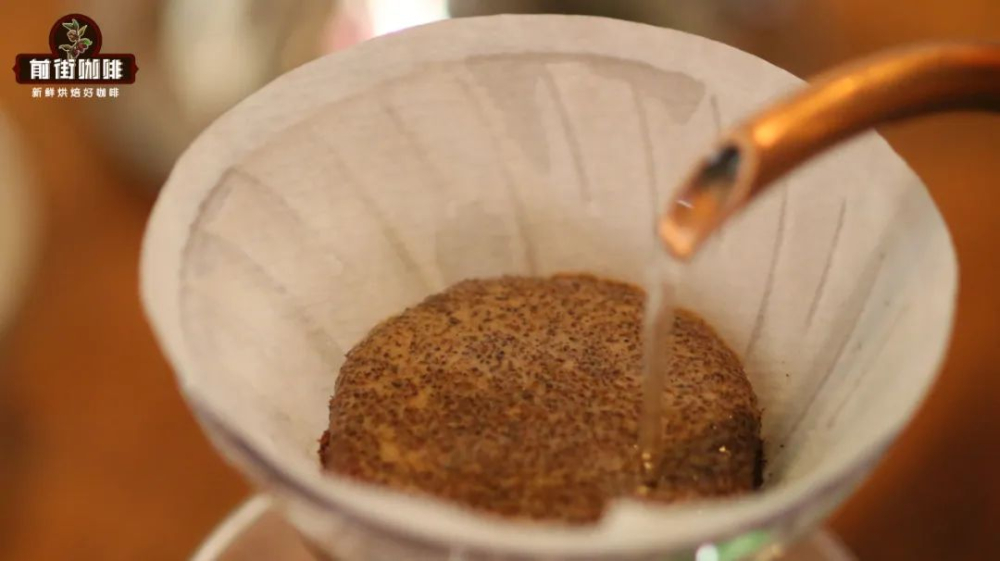
Conversely, if blooming time is too long—beyond what’s needed for CO₂ release—the water in the coffee bed may begin to flow down along the filter cone’s channels, leading to bed collapse, loosening, or even gaps between particles. This condition not only affects the uniformity of subsequent pouring, but also tends to extract more unwanted flavors or bitter substances, resulting in imbalanced coffee flavor with an unpleasant coarse note in the aftertaste.
Another clear sign of over-blooming is that when you pour water afterward, the stream often punches a hole through the coffee bed while the foam slowly rises to the surface. This not only affects visual appeal but also indicates that the coffee bed structure has become unstable. In contrast, ideal blooming should look like this: the coffee bed uniformly absorbs water and visibly expands, gases gradually dissipate, the surface stabilizes, and continuous bubbling ceases. Note that “appropriate” is not an absolutely precise moment, but rather a process lasting several seconds—which is why the 30-second recommendation remains applicable for most coffee beans.
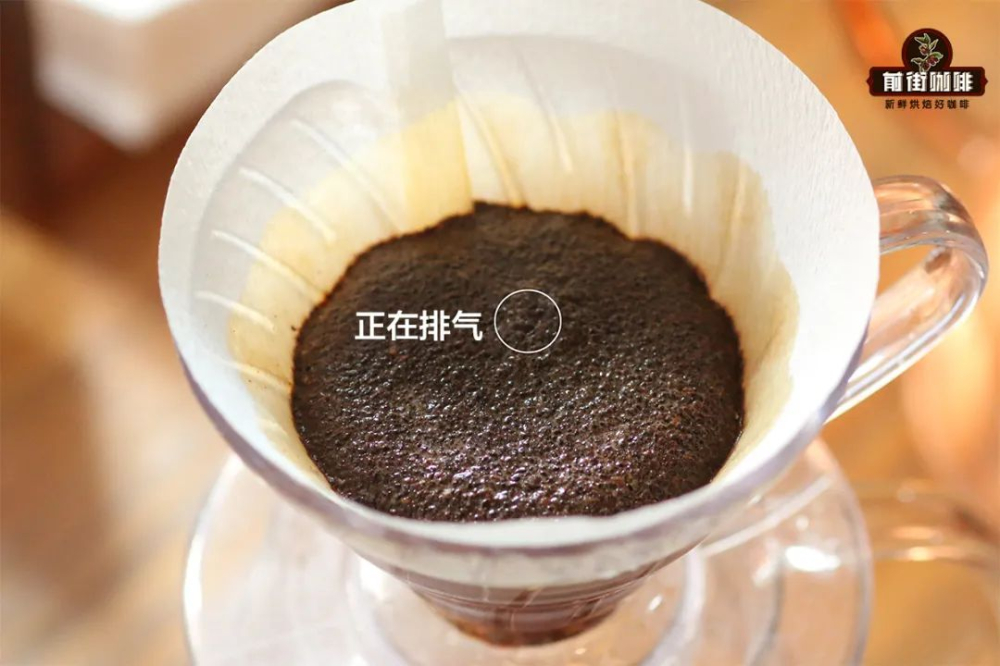
However, not all coffee beans suit the same 30-second blooming time. Many advanced enthusiasts dig deeper into the blooming mechanism, trying to find more suitable durations for beans with different characteristics. The primary influencing factor is the resting period. Generally speaking, coffee beans require 4 to 7 days of resting after roasting for internal gases to gradually stabilize. During this period, blooming time is usually controlled between 28 to 30 seconds, depending on the actual condition of the beans.
Once past 30 days, the carbon dioxide inside the beans has significantly decreased, and the coffee bed will only show slight swelling—or even no noticeable change—during blooming. For such aged beans, it’s recommended to shorten the blooming time to 20–25 seconds to avoid unnecessary waiting that might disrupt the extraction rhythm.

Besides resting time, roast level is another key factor determining blooming duration. Dark roast coffee beans have a looser fiber structure; although they contain more gas, their water absorption and gas release processes are usually smoother. During blooming, the coffee bed rapidly expands into a distinct “hamburger shape,” and gas release is more even. In contrast, light roast beans are harder in texture, making it harder for water to quickly penetrate the interior, thus requiring a longer blooming time to ensure full carbon dioxide release and prevent uneven extraction later.
Finally, different pouring methods also affect the required blooming time. The common 30-second recommendation is based on circular pouring, which evenly saturates the coffee grounds and enhances gas release efficiency. But if you use special brewing methods like Japanese drip-style pouring (滴濾法), where the dripping process itself provides a slow gas-release mechanism, such “blooming” may actually last 2 to 3 minutes—significantly different from conventional methods. Therefore, understanding the relationship between your chosen method and the beans’ characteristics is the key to truly mastering your optimal blooming time.

The above content is compiled by CoffeeHunters, a coffee news website.


