







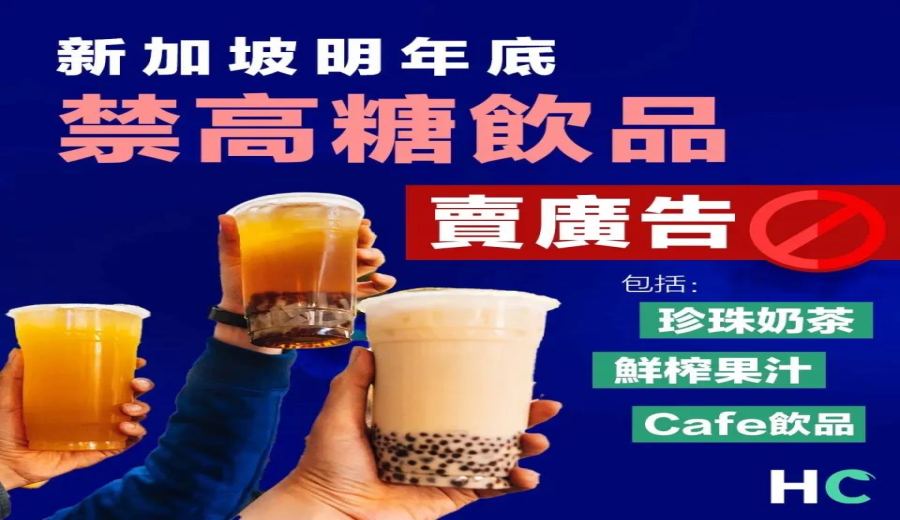
Introduction:Faced with persistently high risks of diabetes, the Singaporean government will impose strict restrictions on the advertising of high-sugar and high-trans-fat beverages from the end of 2023, and enforce a mandatory nutrition labeling system. This policy will not only affect freshly made drinks at coffee shops, milk teas, and freshly squeezed juices, but also require businesses to clearly display the health rating of their drinks. This article will help you understand which drinks will be regulated, how to identify the nutrition ratings, and how to make smarter beverage choices based on the labels.
After the beginning of autumn, many people are accustomed to boosting their energy with a “first cup of milk tea or coffee in autumn,” but in Singapore, the marketing methods for such sugary drinks are about to undergo major changes. To curb the spread of diabetes, the Singaporean government has decided to completely ban any form of advertising for beverages that are excessively high in sugar and trans fats starting from the end of 2023.
This new regulation will cover various beverage categories, including drinks prepared on-site at coffee shops, commonly available freshly squeezed juices, and milk teas that are especially popular among young people. Singapore’s Minister for Health, Ong Ye Kung, announced this move during a public event on August 11, 2023, stating that the goal is to reduce public exposure to temptations from high-sugar drinks and guide everyone toward healthier dietary choices.
According to the plan, the government will require all vendors selling these beverages to clearly indicate the nutrition rating of each drink on both physical and digital menus, allowing consumers to see at a glance before ordering. The new measures are expected to release full implementation details by mid-2024 and officially take effect by the end of 2024.
The nutrition rating system will classify beverages into four grades from A to D based on their healthiness, with Grade D being the least healthy option.Grade A and B drinks will be labeled with green tags, Grade C with orange, and Grade D with a striking red.. It is particularly important to note that beverages classified as Grade C and D must have their grade prominently displayed on the packaging or menu before they can continue to be sold. As for high-risk Grade D drinks, any form of advertising on online or physical platforms is completely prohibited.
For example, a green tea beverage with 5.8 grams of sugar per 100 milliliters may be rated as Grade C, and consumers can quickly identify its health risk through the label on the packaging.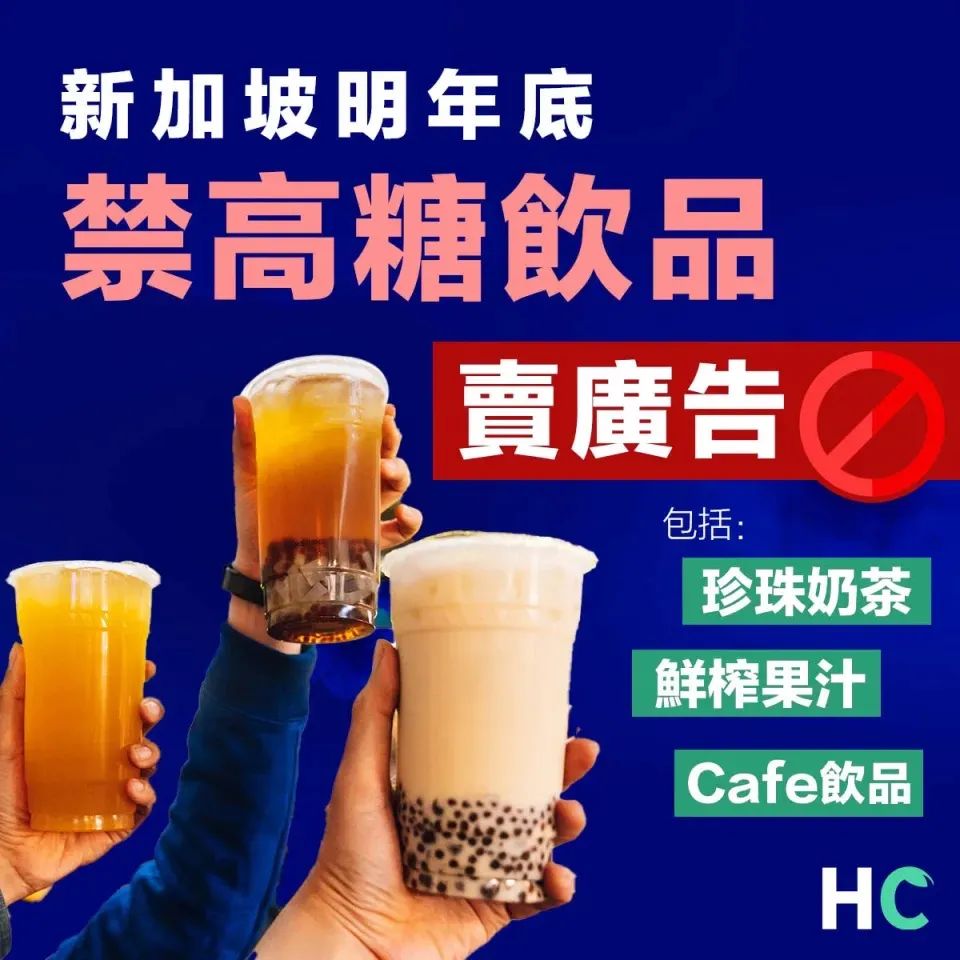 Such a grading system helps consumers avoid potential high-sugar traps, especially when faced with a wide array of beverage options, enabling more intuitive decisions that favor health.
Ong Ye Kung further pointed out that the government is actively working out the relevant details, with plans to officially announce them by mid-2024 and implement them fully by the end of the year. This policy is one of the key components of Singapore’s efforts to combat the high incidence of diabetes. According to statistics, there are currently over 400,000 diabetics in Singapore, which means roughly one in nine people is affected. Diabetes not only impacts quality of life but is also one of the leading causes of kidney failure, and Singapore ranks among the top countries globally in terms of end-stage renal failure incidence.
Notably, the number of new kidney failure patients in Singapore has risen from about 4 per day in 2011 to 6 per day today, a trend closely linked to population aging and the prevalence of chronic diseases. Although the overall incidence of diabetes remains stable, the continuous rise in obesity rates has become a hidden concern that increases diabetes risk, and obesity is one of the key factors that contribute to the onset of diabetes.
In fact, the Singaporean government began implementing a series of measures to combat diabetes as early as 2016, actively restricting the population’s sugar intake. After years of effort, results are gradually becoming evident. According to observations from the food and beverage industry, in the past three years, an increasing number of consumers have proactively requested adjustments to the sweetness of their drinks, with approximately 60% to 70% of customers choosing less sweet or sugar-free coffee and tea beverages, indicating a gradual rise in health awareness.
Faced with the upcoming advertising ban and the nutrition labeling system, consumers will find it easier to identify the health ratings of coffee, milk tea, or juice when making choices in the future, thereby avoiding high-sugar, high-risk options. Through this policy, not only will the public be guided toward better dietary habits, but it is also expected to drive the entire beverage industry toward a healthier and more transparent direction.
The above content is compiled by CoffeeHunters, a coffee news website.


