







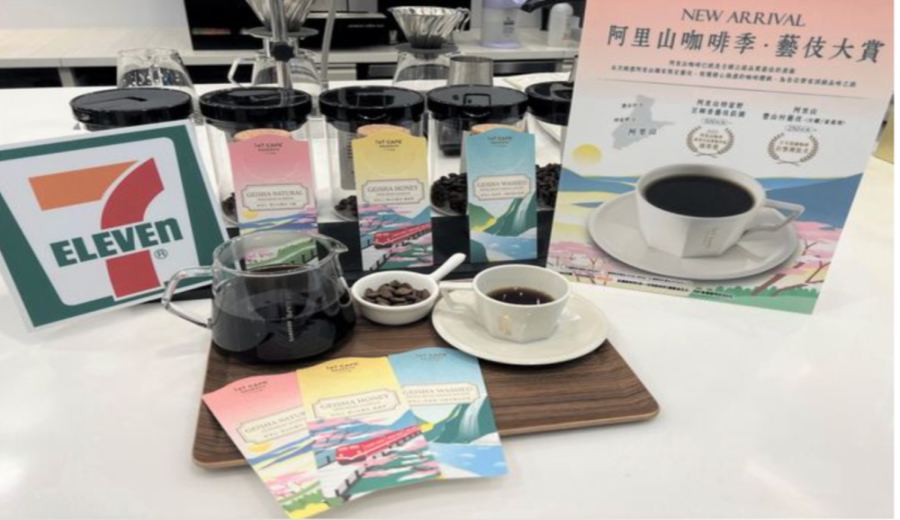
Introduction:Taiwan’s 7-ELEVEN recently launched limited-edition Alishan Geisha (also known as Gesha) coffee at 18 selected stores, with prices ranging between NT$250 and NT$500, sparking discussions among consumers about premium coffee in convenience stores. These Geisha beans, sourced from Fongshan Village in Alishan and Douyu Xiang Estate, include one variety that even won an award in a local competition. This article will take an in-depth look at the pricing strategies, flavor profiles of these three coffees, as well as the positioning and challenges of Geisha coffee in the Taiwan market.
Selling high-priced specialty coffee at convenience stores may seem counterintuitive, but Taiwan’s 7-ELEVEN has recently introduced a surprising limited product — Geisha (also known as Geisha or Artisan) coffee produced in Alishan. This coffee, considered one of the top varieties in the specialty coffee category, is now available at 18 7-ELEVEN stores equipped with a specialty coffee corner, priced between NT$250 and NT$500, approximately RMB 57 to RMB 114. The move immediately triggered heated online discussions, with some netizens arguing that the price is too high for a convenience store and not aligned with its affordable image, while others welcome the opportunity to access Geisha coffee in a more approachable way.
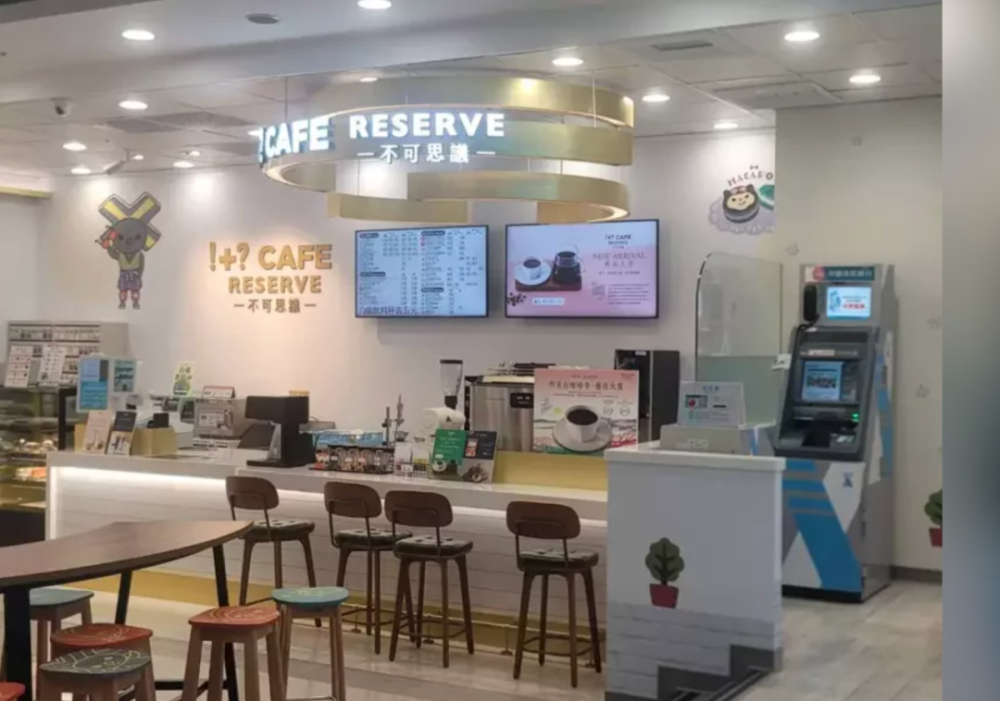
In fact, Taiwan’s 7-ELEVEN has been offering freshly ground coffee since 2004, and gradually set up specialty coffee corners in some stores starting in 2018 to meet consumers’ increasing demands for coffee quality and flavor. Unlike independent specialty coffee shops, 7-ELEVEN adopts a diversified business model focused on high cost-performance, allowing consumers to enjoy good-quality coffee at relatively affordable prices, with a market positioning similar to Luckin Coffee.
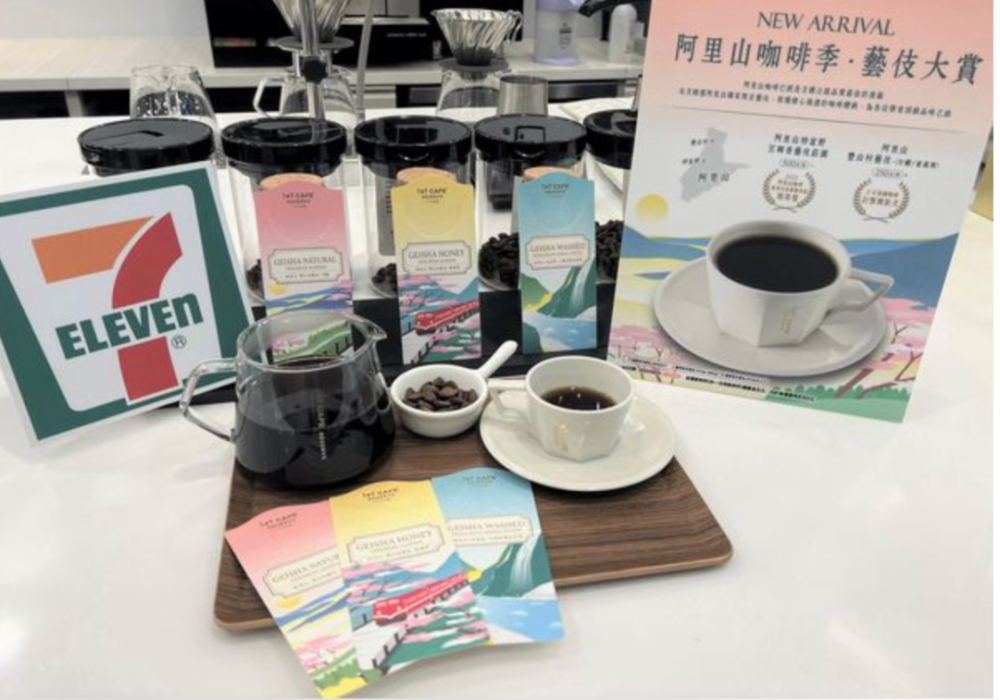
However, the pricing of these three newly launched Geisha coffees clearly goes beyond the brand’s usual value-for-money approach, triggering mixed reactions online. Some netizens believe that convenience store coffee should stick to an affordable line, and such prices are off-putting — they’d rather go directly to independent coffee shops. Other consumers say that Geisha has long had an unattainable image, and making it accessible through convenience channels allows more people to try it with a lower barrier, which is a positive development. Some even joked: “The Uni-President Group has finally made convenience store coffee surpass Starbucks!” It’s worth noting that the most expensive drink at Taiwan Starbucks currently is NT$400 (approximately RMB 91).
The Geisha coffee beans used by 7-ELEVEN this time come from both sun-dried and honey-processed beans from Fongshan Village in Alishan, as well as the award-winning Douyu Xiang Geisha Estate. Among them, Douyu Xiang Estate won first place in the Geisha category of this year’s “Alishan Coffee Estate Elite Exchange Competition,” adding considerable buzz to these beans. In that same competition, a 5kg lot of naturally processed coffee beans produced by Zou Zhu Garden was even auctioned for NT$520,000 (approximately RMB 118,000), once again putting Geisha coffee in the spotlight.
From a market perspective, although the pricing of these three Geisha coffees is on the higher side for a convenience store, when evaluated based on the difficulty of cultivating the Geisha variety and its limited yield, the cost-performance is actually not bad. However, because consumer perceptions of brand value vary, the same price point might evoke very different experiences at a convenience store versus an independent café.
Since gaining fame, the auction price of Geisha coffee has soared from around USD$20 per pound to over USD$2,500, establishing the coffee’s “unattainably premium” image in consumers’ minds. Yet, such high prices aren’t entirely reflective of quality, and some market-driving factors are also worth exploring. In fact, not all Geisha beans are of top-tier quality — differences in growing regions and processing methods can significantly influence the final flavor.
Locally grown Geisha coffee in Taiwan is limited in supply and relatively more expensive compared to other coffee varieties, which provides an opportunity for brands and consumers to engage in “storytelling.” By choosing to use locally grown Geisha beans, 7-ELEVEN not only enables consumers to experience high-quality coffee within a reasonable budget, but also helps convey messages about local agriculture and sustainable development. For the brand, this isn’t just an expansion of the product line, but an important step in reshaping consumer perceptions of convenience store coffee.
The above content is compiled by CoffeeHunters, a coffee news website.


