







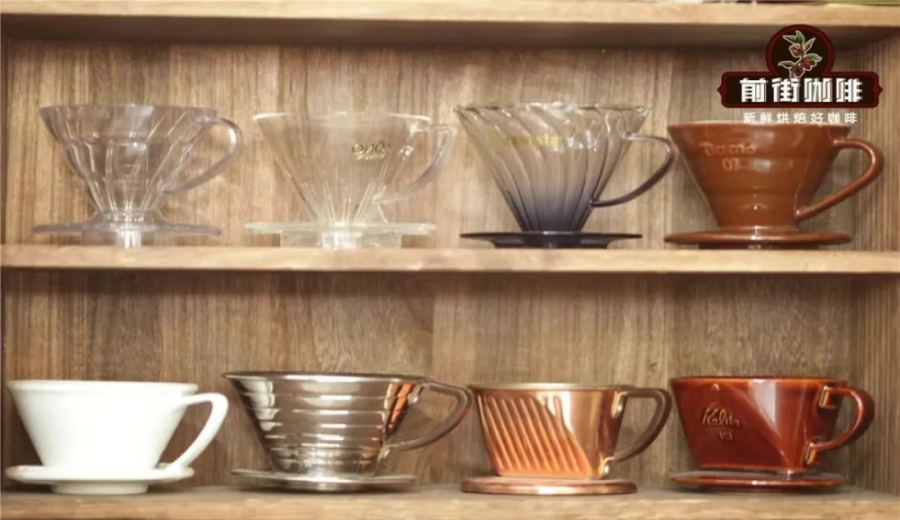
Introduction:Choosing the right pour over dripper is a key step in improving coffee extraction quality. There is a wide variety of drippers on the market, from the classic V60 to uniquely shaped strawberry or diamond drippers—each design has its own unique water flow control logic and user experience. This article delves into how flow channel structure, material properties, and exterior design affect extraction, and offers practical buying advice to help you find the dripper that best suits your brewing style.
For beginners in pour over coffee, selecting a suitable dripper is the first essential task. The market offers a dazzling array of dripper styles, from the classic V60 to creatively shaped strawberry and diamond drippers—what exactly are the differences between them? This article will start with the structural design of flow channels, exploring how spiral ribs, vertical flow guides, and inward-curved channels alter water flow speed and extraction evenness. It will then further compare the real-world performance of materials such as resin, glass, ceramic, and metal, and finally analyze current trends in dripper exterior design to help coffee enthusiasts make the best choice based on their individual needs.
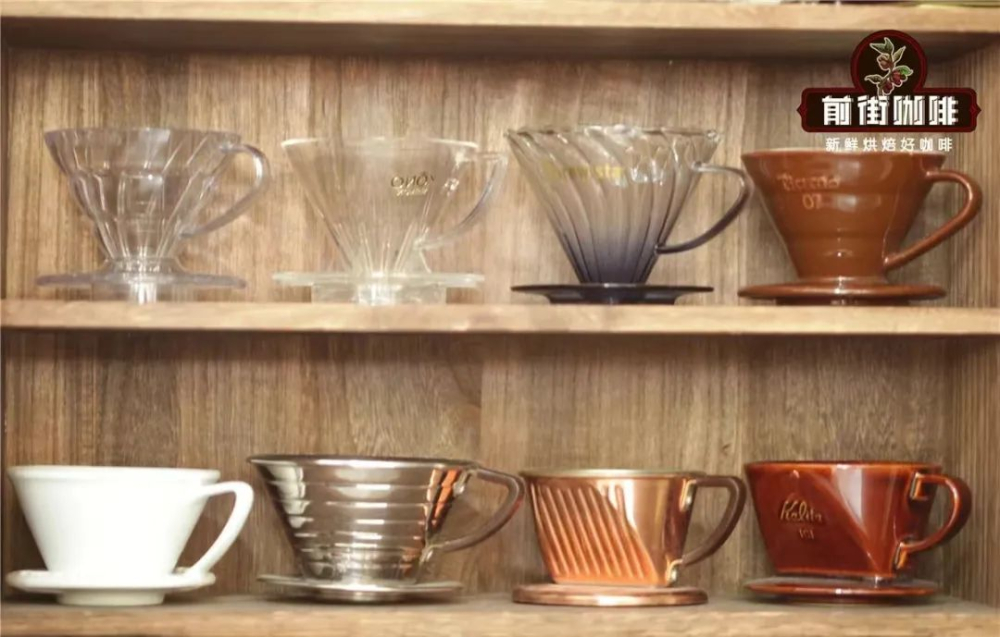
The flow channel design of a dripper is one of the core factors influencing coffee extraction effectiveness. If a dripper lacks structures like flow ribs, the filter paper will tightly adhere to the cup wall, causing poor water flow—similar to the case with Chemex. Therefore, after the conical dripper became the mainstream design, brands began innovating on the flow channel design based on this foundation. The reason for choosing a conical dripper is simple: this shape helps achieve more even extraction and is compatible with most commercially available filter papers.
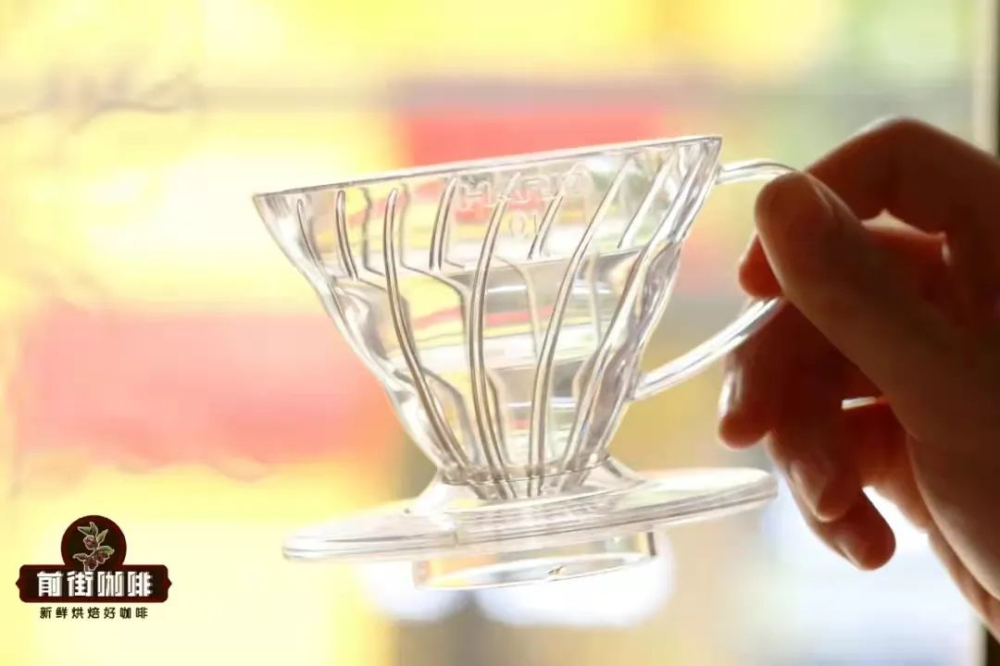
Hario introduced long and short interleaved spiral ribs in the design of conical drippers. This design ensures water doesn’t just fall straight down by gravity but also flows along the direction of the ribs, thereby improving extraction evenness while accelerating water drainage and reducing clogging probability. This classic dripper is none other than the well-known V60, named for its 60-degree cone angle.
Later, many brands also launched conical drippers with spiral patterns, also classified as V60 types. Though these drippers may look similar in appearance, their detailed designs each have unique features. For example, one dripper’s spiral ribs run in the opposite direction to Hario’s, and all the ribs are of the long-bar type.
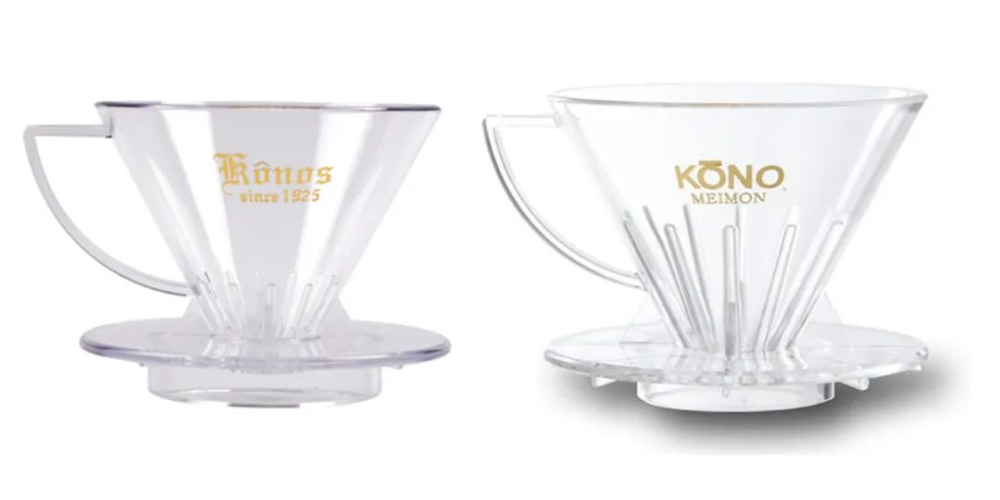
Another intuitive design is vertical flow ribs, whose primary purpose is also to accelerate water flow. It can be understood this way: without rib support, the filter paper would fully adhere to the dripper wall, making it difficult for water to flow downward. These structures that prop up the filter paper allow water to pass through the gaps. In other words, the number and length of the ribs directly affect the size of the gaps, thereby determining the water drainage speed. The flow rate differences among various versions of the Kono dripper mainly stem from adjustments in rib length.
The reason the Star Dripper is known for its fast flow speed is precisely because its cup wall is densely packed with vertical ribs of varying lengths.
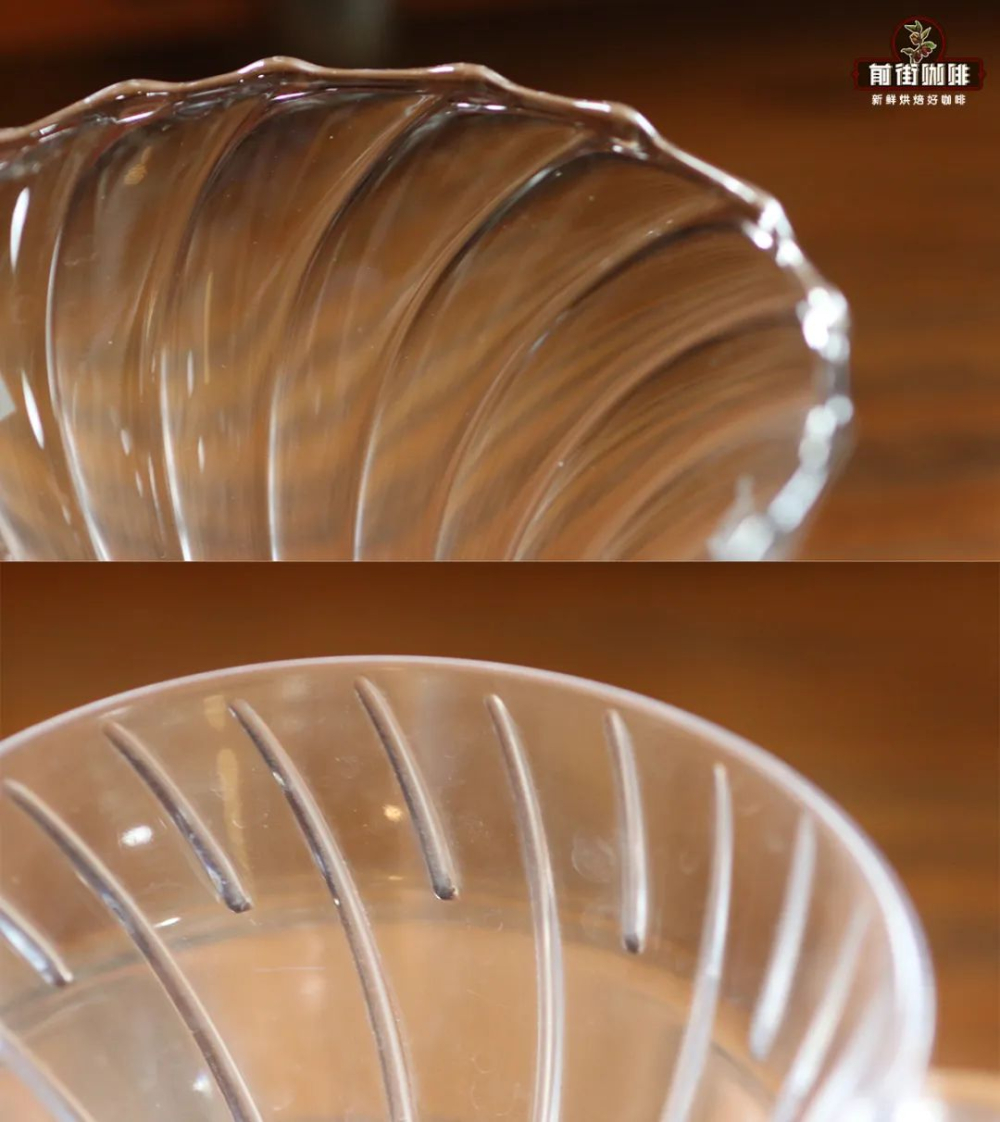
In addition to outward-protruding rib designs, there are also inward-curved flow channels, which similarly create water pathways to enhance drainage efficiency.
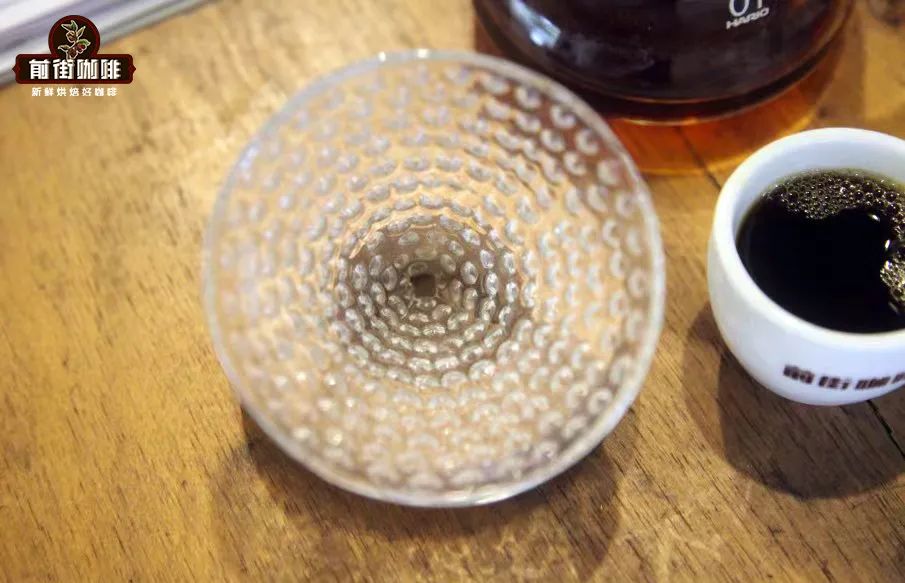
Of course, the market also features some unconventional designs, such as the strawberry dripper and diamond dripper. The support structure of the strawberry dripper is not bar-shaped but composed of numerous tiny bumps, resembling the particles on a strawberry’s surface. Although theoretically having many support points should aid in faster drainage, in practice its flow speed is relatively slow, primarily due to the small size of the outlet hole.
The diamond dripper is named for its diamond facet-like shimmering flow channels arranged in a rhombus pattern. Its drainage speed is comparable to that of the V60, making it suitable for users who prefer stable flow rates.
It is recommended that when choosing a dripper, functionality should be the primary consideration—select the style that best fits your own brewing habits. Faced with various rib and channel designs, you only need to choose based on their flow speed characteristics.
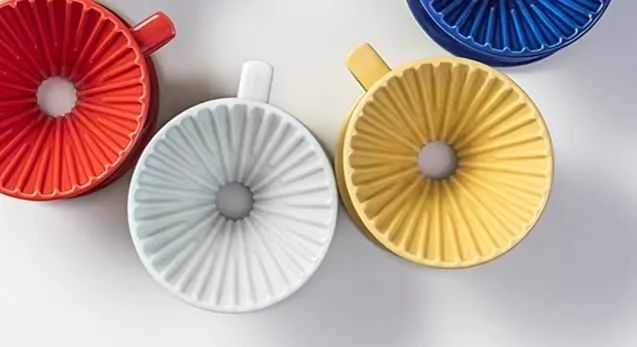
Common dripper materials include resin, glass, ceramic, and metal. In fact, differences between materials are not as significant as they once were, unless we’re talking about certain special handmade-style designs, such as bamboo-woven drippers.
If prioritizing practicality, resin is recommended as the first choice. The main reason is its affordability—even if accidentally dropped, the risk of damage is low. Additionally, in terms of manufacturing precision, resin often outperforms other materials, which potentially contributes to more stable extraction.
If you wish to strike a balance between practicality and aesthetics, ceramic is a great option. In terms of manufacturing precision, glass and ceramic are on par, but ceramic has greater advantages in design flexibility and visual appeal. In terms of heat retention, a preheated ceramic dripper also generally outperforms others.
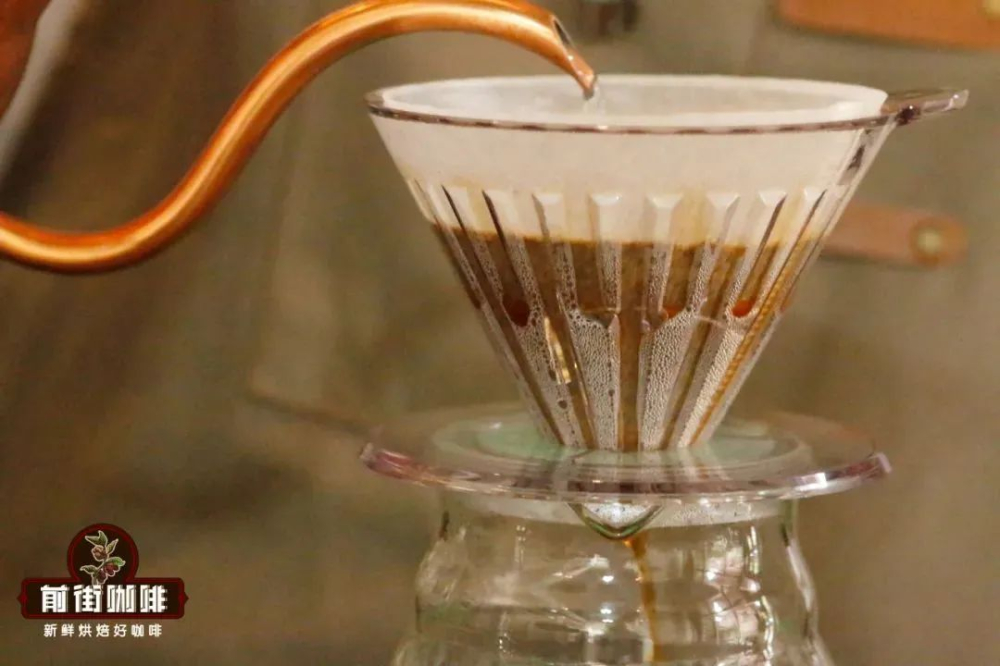
With intensifying market competition, many drippers now come with added special functions. For example, Hario’s valve-equipped V60 adds a flow control valve to the original design, functioning similarly to a clever dripper. This type of design is more beginner-friendly and also adds operational flexibility for experienced users.
Besides functionality, the exterior design of drippers has also become a focal point of brand competition. When functional differences narrow, appearance and price often become key decision factors for consumers. Nowadays, dripper color schemes tend to be vibrant and varied, but to stand out, a unique design signature is required.
For example, the Origami dripper, with its sleek angular shape and bright yet elegant color palette, has successfully captured the attention of many consumers.
In addition, pour over drippers such as the Rose Dripper and Azalea Dripper launched by Taiwanese manufacturers, as well as COFIL’s Mount Fuji Dripper, all showcase the endless possibilities of dripper design—leaving people amazed: who knew drippers could become works of art?
When functional differences are limited, the aesthetic value of a dripper often becomes an important factor in consumer choice. However, when you see the prices of these exquisitely designed drippers, you might sigh: it turns out my budget limits my choices.
The above content is compiled by CoffeeHunters, a coffee news website.


