








Introduction:Want to learn how to evaluate single-origin coffee and accurately describe the flavor of a pour over brew, but not sure where to start? This article provides a practical learning path for beginners, guiding you from developing basic taste and smell memory, to gradually establishing coffee flavor associations through everyday aromas, and supplementing key sensory training techniques to help you easily master the art of describing pour over coffee flavors.
For those new to the world of specialty coffee, accurately evaluating single-origin coffee and describing the nuances of a pour over’s flavor is absolutely not something that can be achieved overnight. The specialty coffee field, after years of in-depth development, has established a complete and scientific knowledge system — covering everything from the cultivation and processing of green beans, roasting techniques, to the final brewing and tasting stages.
However, many beginners tend to rush at the initial stage, eager to slap flavor labels like “rose,” “mango,” or “honey” on every cup of coffee. Such expectations are not only unrealistic, but may also make the learning process frustrating. In fact, flavor description is not something that can be mastered instantly, but rather requires long-term sensory training. Professionals suggest that beginners put aside, for now, the obsession with pinpointing exact flavor names, and return to the most pure drinking experience — starting from genuine sensations, and gradually building their own flavor and aroma memory bank.
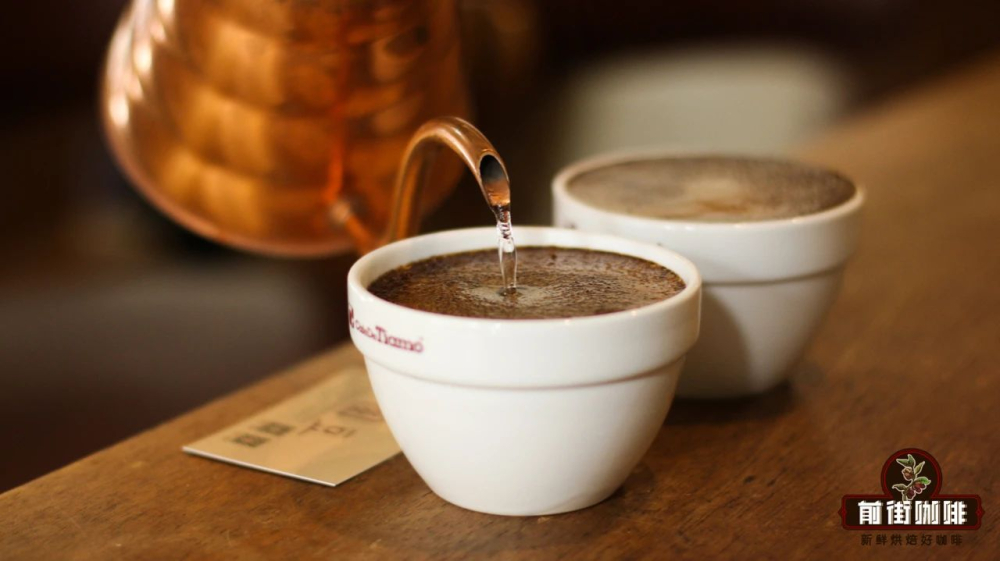
The learning curve of specialty coffee is much like that of wine tasting or fine food appreciation — it takes time to mature. From the origin characteristics of green beans, differences in processing methods, the impact of roast levels on flavor, to the adjustment of parameters such as water temperature, grind size, and extraction time during pour over brewing, each step influences the final flavor profile. If you force yourself to name specific flavors right from the start, not only can it lead to frustration, but you might also miss out on the layers and subtleties that the coffee itself has to offer.
It is recommended that beginners start with "drinking coffee" itself — focusing on recording your overall first-impression when taking that first sip: is it bright and lively, rich and rounded, or does it have noticeable acidity or sweetness? Through continuous observation and recording, you’ll gradually develop a keener sensitivity to coffee flavors. This foundational training will help you more easily identify specific aromatic and taste characteristics in the future.

Building a flavor memory library is the next key step. In daily life, take note of the aromatic qualities of various foods and drinks: roses blooming in the early morning, jasmine tea in the afternoon, the sweet scent of fresh mango, or even the caramel-like aroma of roasted sweet potatoes from the oven, and the smooth sweetness of pure honey. These familiar flavors can serve as important reference points for your future coffee tastings. When you encounter similar aromas while pour over brewing, your brain can quickly associate and categorize them, thereby improving the accuracy of your flavor descriptions.
Understanding the nature of flavor description is quite important.Common coffee flavor terms like “rose,” “jasmine,” “vanilla,” “mango,” “roasted sweet potato,” “honey (water)”are all sensory experiences transmitted via aromatic molecules. This means that, besides focusing on the flavors in the coffee cup, observing and memorizing various aromas in daily life is equally essential. Beginners are advised to try creating a simple “aroma diary,” noting down interesting scents encountered each day, and reflecting on their potential connections to coffee flavors.

Sensory training requires a systematic approach. At the beginning, there’s no need to rush into labeling every cup of coffee with complex flavor tags. You can start with basic dimensions: what’s your first impression of this cup of coffee? Is the acidity prominent? Is it a bright citrusy acid or a softer berry-like acid? Does the sweetness stand out? Is the body light like tea or rich like milk? As you gain experience, you’ll naturally notice more detailed characteristics and gradually be able to describe them with more precise language.
Finally, remember that evaluation is a personal journey. Every coffee enthusiast has different taste sensitivities and life experiences, so interpretations of the same cup of coffee’s flavor may vary. What’s important is to maintain an open mindset, keep practicing, and enjoy the process of exploring the rich and varied flavor mysteries of the coffee world.
The above content is compiled by CoffeeHunters, a coffee news website.


