








Introduction:In the fiercely competitive new tea beverage market where price cuts have become the norm, the opening of Cha Yan Yue Se’s first store in Nanjing sparked a buying frenzy. Scalpers resold drinks originally priced at 50 RMB for as much as 200 RMB, with some people even queuing up as early as 4:30 AM. Due to chaotic scenes, the Xinjiekou store sold out prematurely and had to temporarily suspend operations, while the Jiangning Jingfeng store remained open with police present to maintain order. This article takes an in-depth look at the full story, explores the consumer psychology behind the scalping phenomenon, and advises how consumers should make rational choices when facing viral brands.
Amid the current trend of widespread price reductions in new tea beverages, a drink priced at 50 RMB is already considered relatively expensive. Yet, on the opening day of Cha Yan Yue Se’s first Nanjing outlet, scalpers were reportedly reselling cups for as high as 200 RMB, triggering long queues. Some individuals arrived as early as 4:30 AM to wait in line, and related topics quickly climbed the Weibo hot search rankings.

It is understood that even before the Xinjiekou store officially opened its doors, a long queue had already formed outside. A Xiaohongshu user shared photos at 8:32 AM showing some entrances had been closed, with a special reminder for nearby office workers to plan their routes in advance.

According to media reports, just five minutes before the store's scheduled 9:00 AM opening, signs reading “sold out” were posted at various entrances. With many queuing but unable to purchase drinks, dissatisfaction quickly arose at the scene, even leading to verbal altercations. Despite this, scalpers were still present, claiming they could provide bubble tea on the spot for 200 RMB.

Reports suggest the Xinjiekou store suspended operations not due to insufficient stock, but because of the chaotic environment and multiple complaints from the public. Some e-commerce platforms even began offering proxy purchasing and queue-standing services, with prices ranging from 10 to 200 RMB. The Nanjing Market Supervision Bureau clearly stated that scalper resales are illegal and encouraged the public to report such cases by dialing 110.

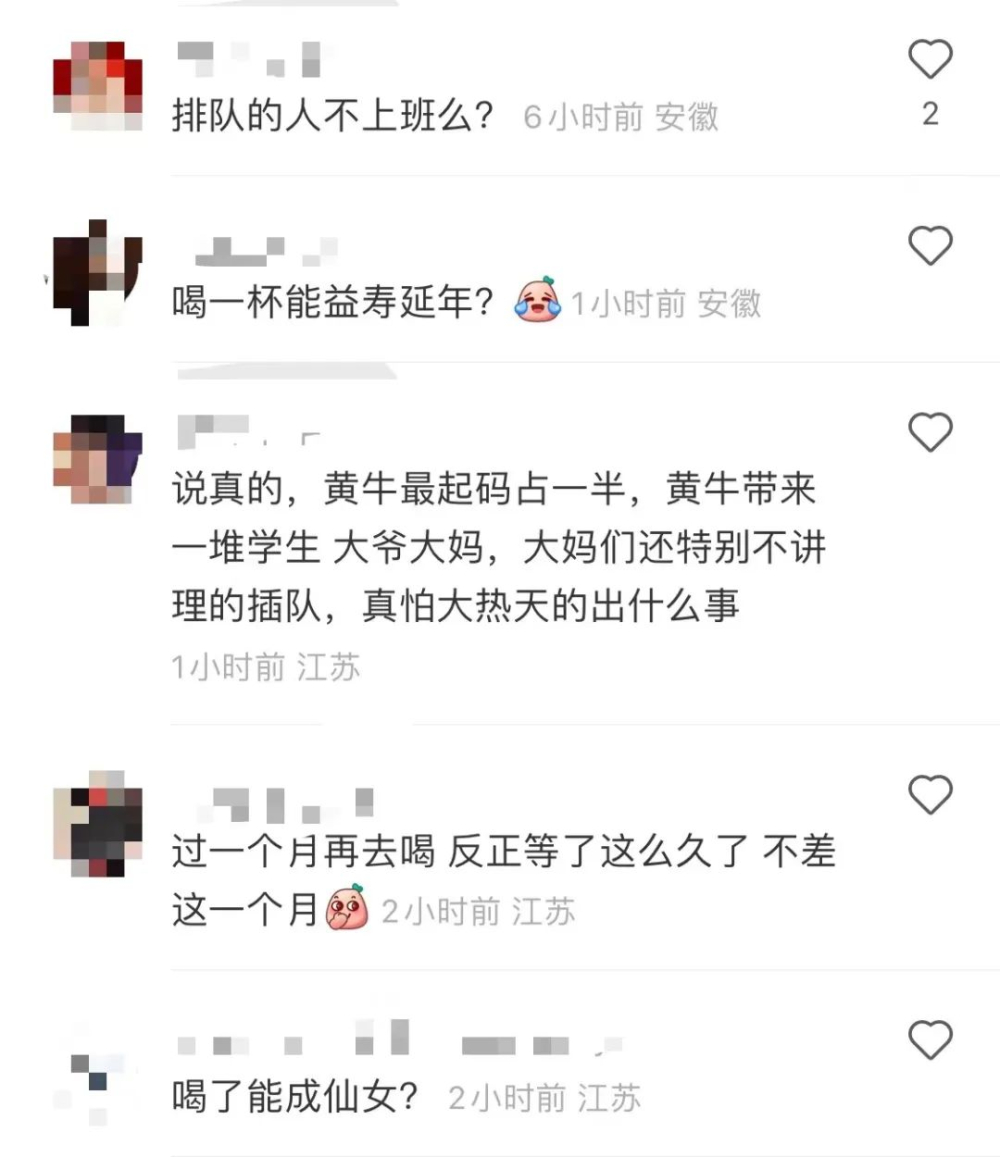
Officials from Cha Yan Yue Se also urged consumers not to buy from scalpers, emphasizing that five more stores will be opened in Nanjing in the future and advising the public to wait patiently. Notably, the temperature in Nanjing reached 38 degrees Celsius that day; once prepared, bubble tea left exposed to high temperatures for extended periods can easily breed bacteria. Therefore, it is not advisable to buy overpriced second-hand drinks resold by scalpers.

Although the Jiangning Jingfeng store continued normal operations, the Xinjiekou store was forced to close due to overwhelming crowds. Even by noon, many consumers continued to queue under the scorching heat. The Jiangning Public Security Online dispatched officers at noon to assist in maintaining order and posted a reminder on Weibo, advising the public not to queue up that day, humorously noting, “The water you drink while waiting in line is worth enough for several drinks.”

A People’s Daily commentary on the incident pointed out that bubble tea is fundamentally just an everyday beverage and doesn’t need to be overly mythologized. Despite the overwhelming brand promotion and social media hype making it hard for consumers to resist, when the scalper price for a single cup of bubble tea reaches 200 RMB and numerous scalpers get involved, it is clearly a sign of market overheating. The author calls on consumers to stay rational and spend within their means when facing viral brands, so as not to be led around by businesses and scalpers.
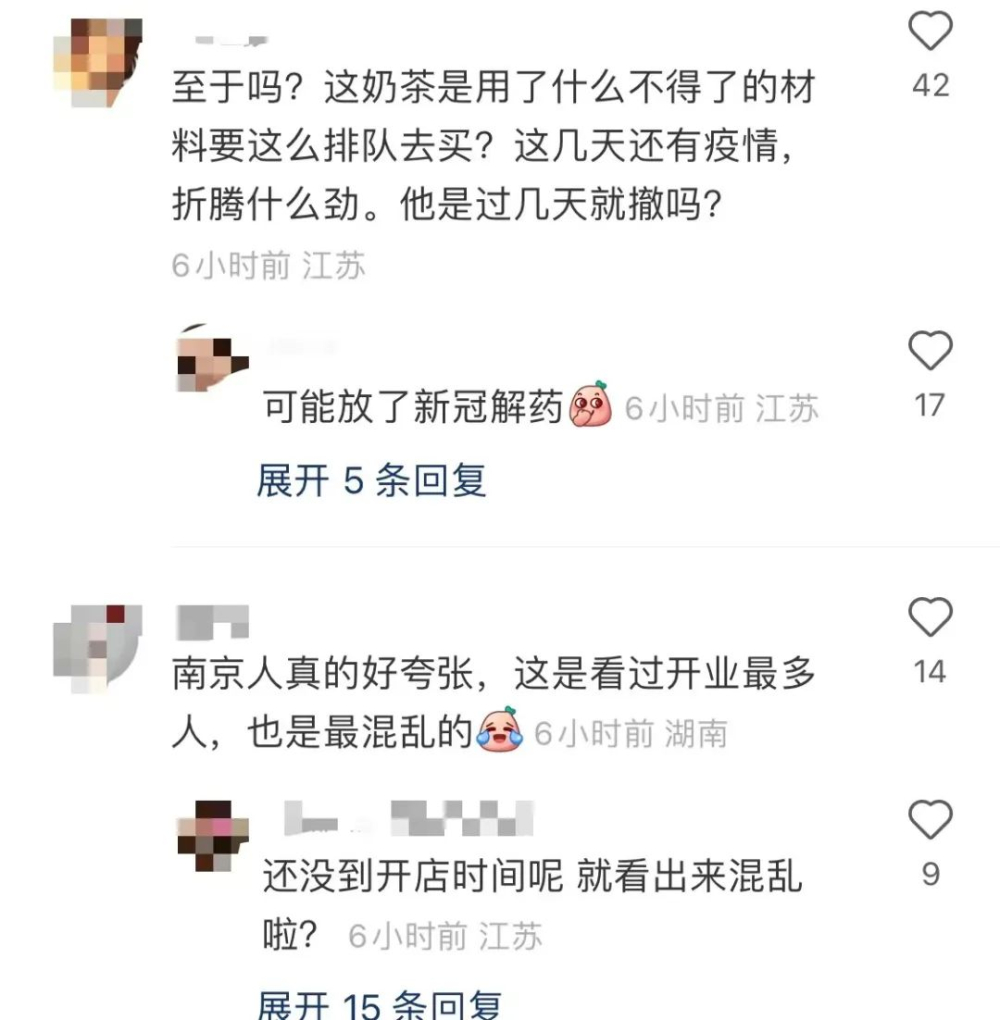
The Cha Yan Yue Se Nanjing opening incident not only highlights the heat in the new tea beverage market, but also reflects consumers’ herd mentality when faced with limited availability and queue culture. Through this event, we should further reflect: Is it really worth queuing for hours or paying high scalper fees?
The above content is compiled by CoffeeHunters, a coffee news website.


