







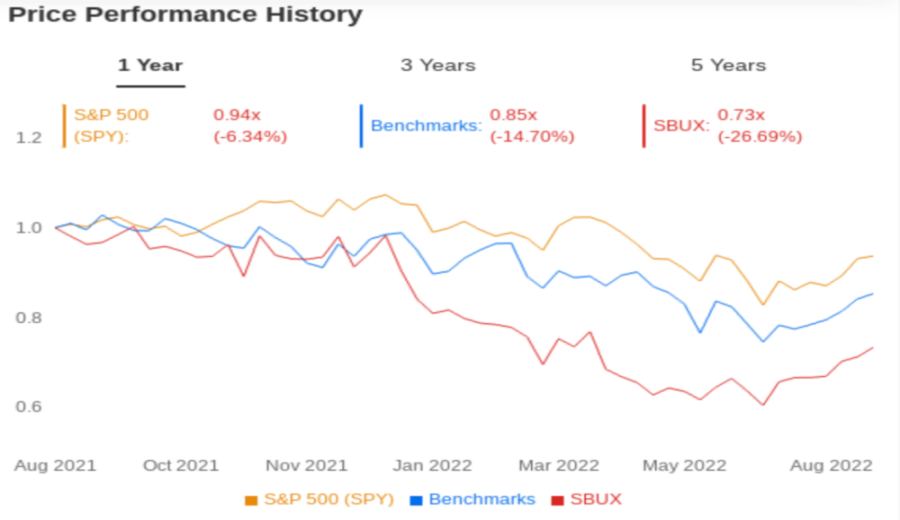
Introduction:After the return of interim CEO Howard Schultz, Starbucks has implemented a series of reforms, with its stock price rebounding by approximately 25% since mid-June. However, the third-quarter financial report shows a decline in sales in the Chinese market, while the U.S. also faces management and labor issues. Schultz is attempting to reverse the downturn by visiting stores and adjusting strategies. This article delves into the challenges Starbucks currently faces and the potential directions for future breakthroughs.
Starbucks has experienced many ups and downs this year, especially under the combined pressures of the pandemic and internal management issues, which have strained its operational performance. In April, interim CEO Howard Schultz returned and introduced a series of adjustments that led to a stock price rebound of about 25% starting mid-June, gradually stabilizing, though growth remains modest.
However, according to the third-quarter financial report released on August 2, although sales in the North American market continued to grow thanks to product price hikes, sales in China—the company’s second-largest market—declined. Meanwhile, the U.S. market also faces thorny issues such as management instability and labor disputes, with its growth ceiling becoming increasingly apparent.
Whether Starbucks still has sufficient upside potential has become a focus of market attention. Most financial media believe that although the stock price has rebounded, its future growth potential remains constrained due to uncertainties in managing its numerous directly operated stores. Key challenges include frequent high-level personnel changes, ongoing unionization efforts, and post-pandemic market demand uncertainties.
To break through the difficulties, Howard Schultz, since his return in April, has actively visited stores and roasting facilities across the U.S. to gain an in-depth understanding of frontline operations. He found that some store designs no longer meet current consumer expectations, particularly in attracting younger demographics or keeping up with rapidly changing post-pandemic market demands.
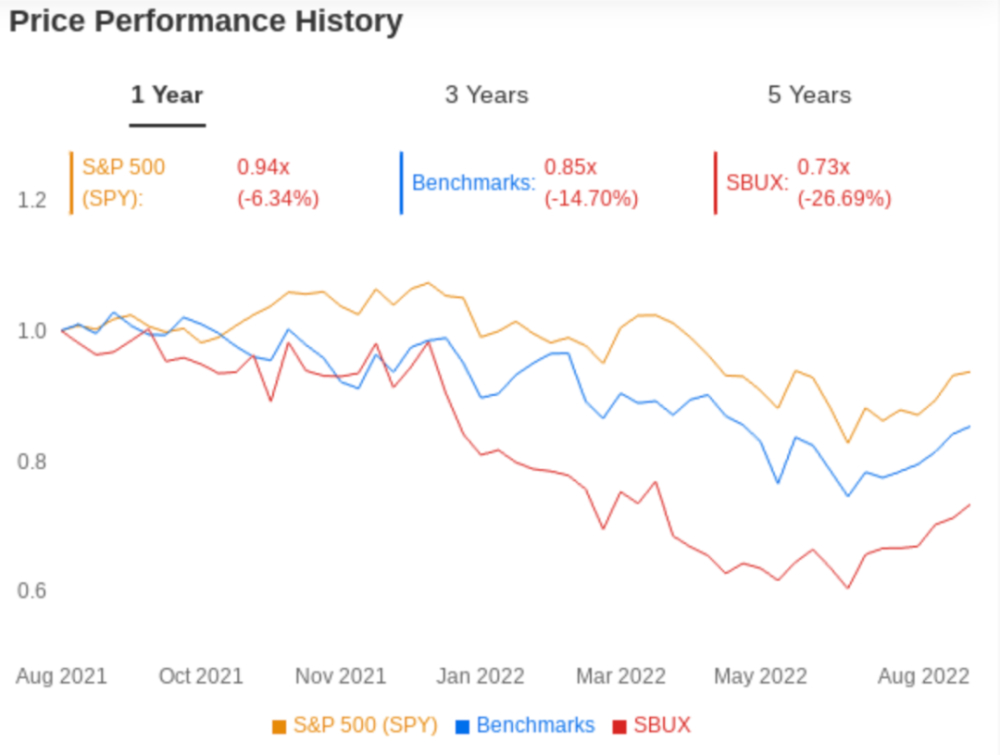
As a result, on his first day in office, he announced the suspension of the stock buyback program, redirecting the originally allocated funds toward partner (employee) benefits and store improvements. In addition, he restructured the management team in an attempt to curb the unionization trend in the U.S., but related negotiations remain deadlocked, with no consensus reached yet.
Another controversial decision was Starbucks’ announcement to close public access to all in-store restrooms. While paying customers can still use them, some consumers have found this inconvenient in the context of high inflation, affecting their overall shopping experience and even leading to some customer attrition. Analysts have pointed out that although open restrooms may attract passersby, they do little to cultivate loyal customers and bring numerous hygiene and safety management issues. Closing them, therefore, could help protect the brand image and support long-term operations.
Howard further stated that he will work to reshape Starbucks’ corporate culture, redefine the relationship between the company and its employees, and improve store partner benefits, with the goal of offering customers a new in-store experience. He has already developed a specific plan titled "Reinventing the Partner Experience," with the remaining details expected to be officially announced on September 13 this year.
On the product front, in response to strong consumer demand for cold beverages, Starbucks’ beverage R&D team is actively developing more innovative cold drinks and gradually upgrading in-store equipment for cold drink preparation, striving for breakthroughs in product differentiation and customer experience. Howard emphasized that he highly values Starbucks’ connection with younger demographics, closely monitoring shifts in its customer base every year, and made it clear that "Starbucks does not want to run a business with an aging customer base," making change imperative.
Overall, Starbucks is facing multiple internal and external challenges. If it cannot quickly and effectively resolve issues related to management, labor relations, and market positioning, its growth potential will continue to be suppressed. Performance in the coming quarters will be a key indicator of whether it can break through its bottlenecks.
The above content is compiled by CoffeeHunters, a coffee news website.


