







Introduction:Due to consecutive years of drought and frost in Brazil in recent years, the coffee harvest for the 2022/23 season has dropped significantly, leading to a continuous tightening of certified coffee stocks deliverable on the ICE exchange. As a result, futures prices have soared. To alleviate inventory pressure, ICE plans to re-grade approximately 270,000 bags of Brazilian Arabica beans that have been stored for nearly two years and reintroduce them into market trading. This article will delve into how Brazil’s climate impacts supply, the logic behind the futures price trends, as well as the potential quality controversies and chain reactions in the market caused by the re-entry of aged beans.
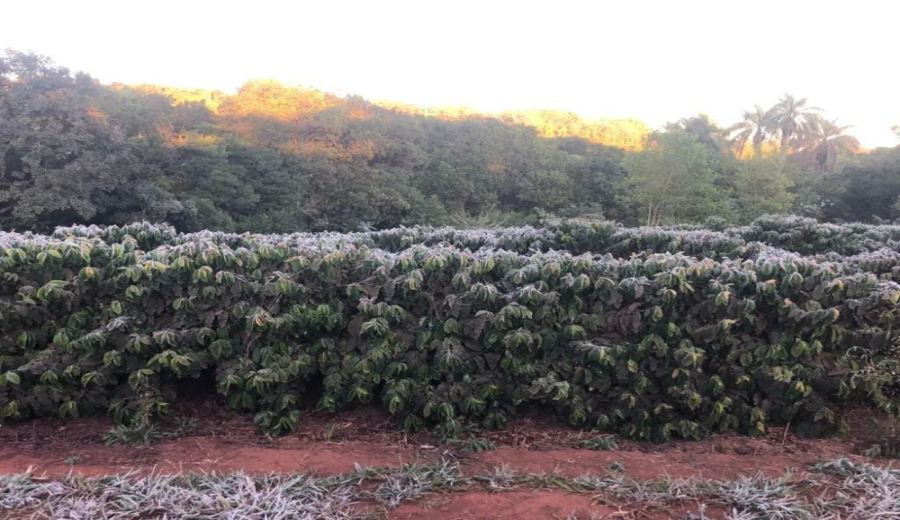
As the world’s largest coffee producer, Brazil has been frequently hit by extreme weather conditions in recent years, particularly droughts and frosts, resulting in coffee yields for the 2022/23 season falling far short of expectations. Poor weather in the main producing regions affected the flowering and fruiting of many coffee trees, leading to a sharp overall decline in production.
Data from Brazil’s Procafe Foundation indicates that the drought faced by the country’s coffee-growing areas this year was even more severe than during the same period last year, casting a shadow over the supply of Arabica coffee beans for the next two years. Moreover, the adverse weather also directly impacted the level of certified coffee stocks held by the ICE exchange, becoming one of the key factors driving coffee futures prices to remain at elevated levels.
According to the Brazilian coffee annual report released by the USDA in June, the estimated total production of coffee beans (including Robusta) in Brazil for the 2022/23 crop year is around 64.3 million bags (calculated at 60 kilograms per bag). However, the actual production is likely to be much lower than this forecast. The preliminary estimate from Brazil’s National Supply Company (Conab) in May indicated that the country’s total production for the 2022/23 season was 53.4 million bags, including approximately 35.7 million bags of Arabica. Yet, many local growers stated that this year’s harvest is less than half of what it was in previous bumper years.
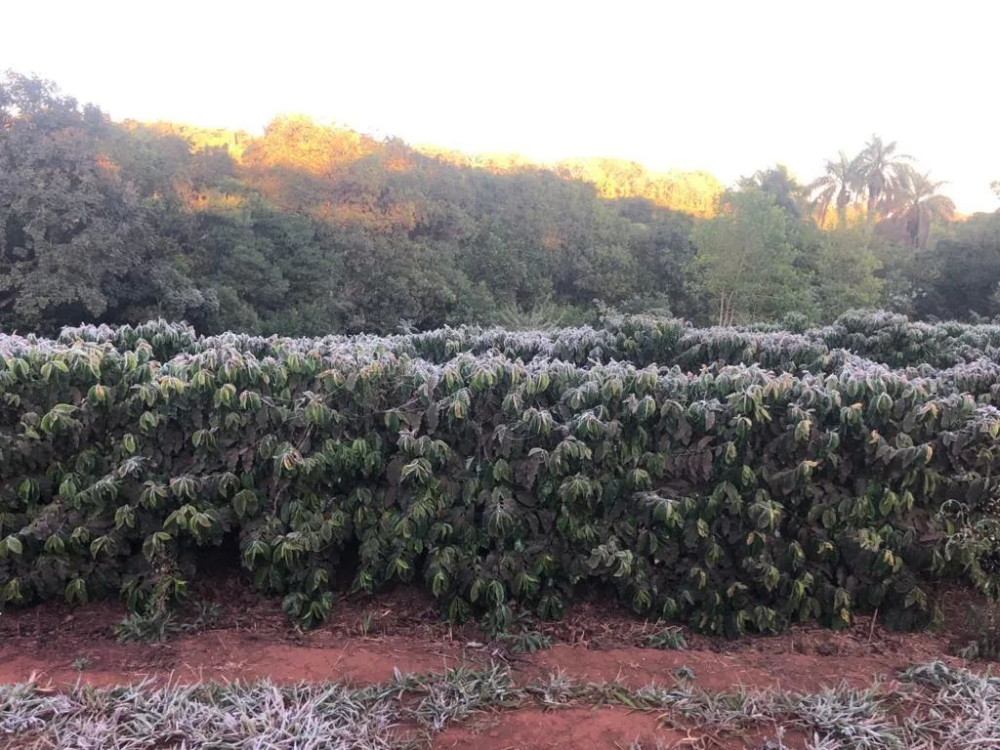
To make matters worse, the U.S. National Oceanic and Atmospheric Administration issued an early warning in early May, pointing out that the main Arabica-producing regions in southern Brazil could experience a three-day frost in late May. Such extreme weather can not only damage mature or soon-to-be harvested coffee cherries but may also harm the coffee trees themselves, further affecting future flowering and fruiting. Following this news, the price of Arabica coffee futures contracts on the ICE exchange in the U.S. began to surge sharply from mid-May.7.47%At one point, it reached a high of219.2 cents per pound.
Although the actual damage caused by the frost ultimately was not as severe as expected, futures prices subsequently declined—falling below200 cents per poundat one point on July 14. Domestic coffee spot prices in Brazil even hit a nine-month low in July. However, with the subsequent harvest outlook still bleak, prices quickly rebounded again.
Faced with the growing challenge of dwindling certified stocks, the ICE exchange plans to re-grade and certify a batch of Brazilian Arabica aged beans that have been stored for nearly two years, with an estimated release of about270,000 bags (60kg/bag)for market trading to ease current inventory shortages. According to Reuters, these coffee beans were delivered to ICE by Brazil betweenNovember 2020 and May 2021but were not included in the certified stockpile at the time due to various reasons, when the certified inventory was already on a downward trend.
Starting August 8 of this year, ICE’s daily reports have shown thousands of bags of coffee awaiting grading to enter the certified stock. Data as of August 16 showed a total of263,259 bags (60kg/bag)awaiting grading, although ICE did not specify whether these beans had been previously certified.
Once these aged beans pass re-certification, they will not only instantly replenish the exchange’s certified stock levels but are also expected to help suppress the currently high coffee futures prices to some extent. It is worth noting that ICE’s regulations for certified coffee only set standards for quality and do not restrict the harvest year of the beans, so this move is not in violation of any rules. However, many traders have expressed concerns that this could lead to a mix of new-season and aged beans being traded together, potentially undermining market confidence in coffee quality.
Generally speaking, if traders sell these aged beans directly to roasters, the profit margins are relatively limited. However, once these aged beans receive ICE re-certification and enter the exchange warehouses, traders can offer varying discounts based on futures price fluctuations and the beans’ storage duration, thereby achieving higher returns than direct sales.
Nevertheless, some market analysts have pointed out that even if some traders release these aged beans to the market, if there are not enough buyers to take them up, these beans may still be forced to be returned to the exchange. In addition, this move could also affect the overall quality of coffee beans associated with future futures prices, further raising traders’ concerns about the quality of the exchange’s certified coffee, leading to reduced trading volumes, which might ultimately drive coffee futures prices down instead.
The above content is compiled by CoffeeHunters, a coffee news website.


