







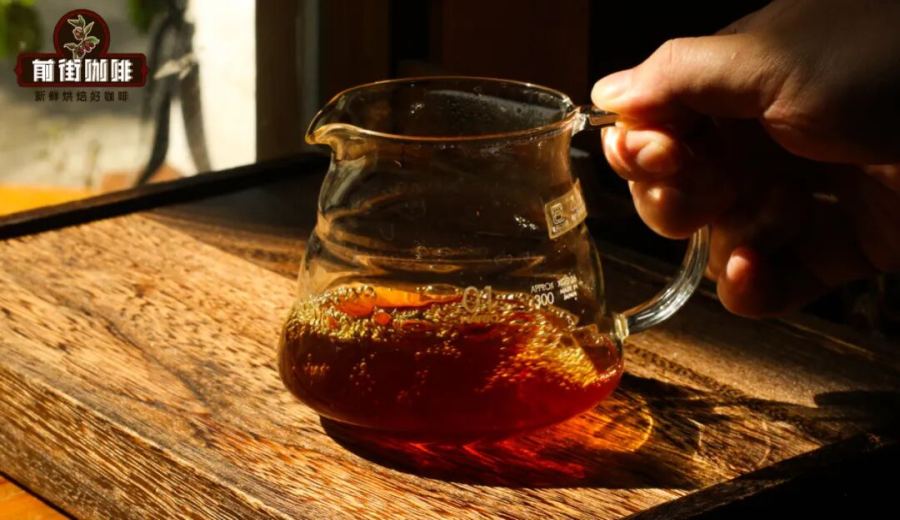
Introduction:Brewing methods for coffee are diverse, ranging from pour over and espresso to manual brewing devices, each offering unique flavors and varying levels of operational complexity. This article delves into common extraction techniques, including drip, immersion, and pressure-based principles, comparing their flavor profiles, suitable bean types, and key parameters to help beginners find the best entry point and understand the mechanisms behind the tools preferred by specialty enthusiasts.
Coffee is a globally beloved beverage, with all drinks made from roasted coffee beans falling under its category—whether it’s espresso or cold brew, each preparation method brings different layers of flavor and mouthfeel experiences. Some consumers prefer convenient instant coffee, while others are drawn to the intricacies of manual brewing, offering a wide array of choices. Understanding common extraction methods can help you find the brewing style that best suits your taste preferences and lifestyle.
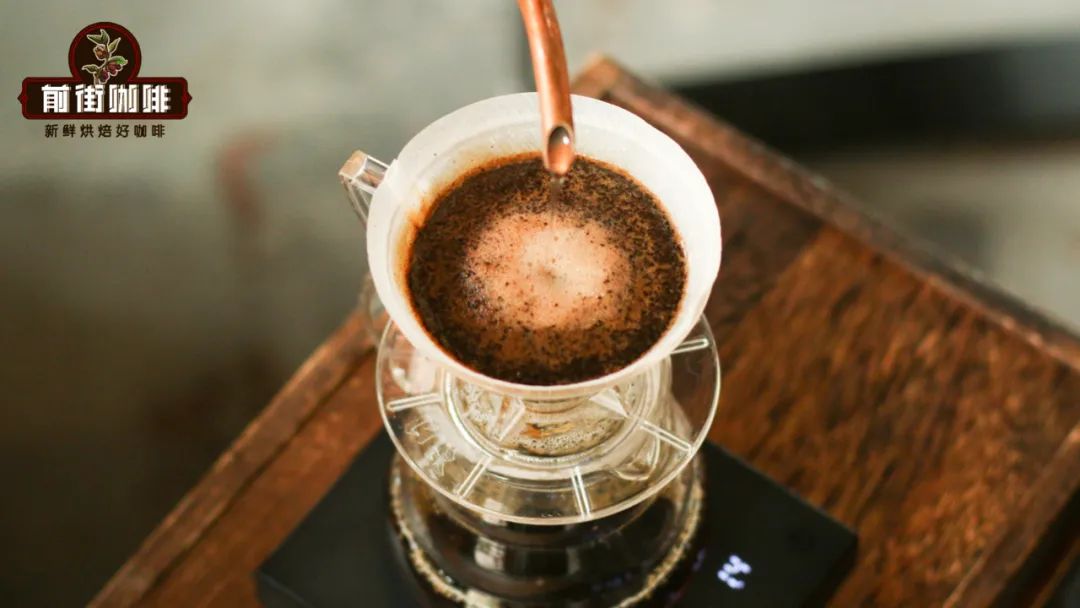
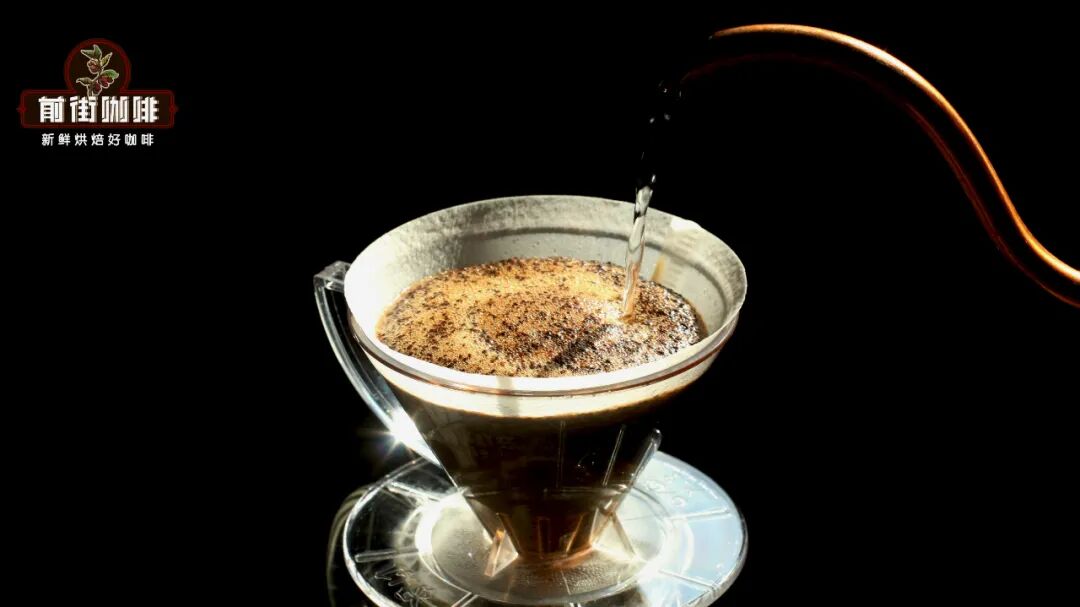
Drip coffee is a brewing method where hot water passes through a bed of coffee grounds under normal atmospheric pressure to extract aromatic compounds. It’s important to note that pour over is a type of drip coffee, but drip coffee is not limited to pour over. The most mainstream form of drip coffee today is pour over, which can clearly showcase the regional characteristics and delicate textures of coffee, making it commonly used for evaluating single-origin beans, also known as black coffee. Compared to high-pressure espresso extraction, drip coffee, without the influence of pressure, allows water temperature and flow rate to more evenly extract coffee oils and aromas, resulting in a usually cleaner, more balanced taste that highlights the true nature of the coffee.
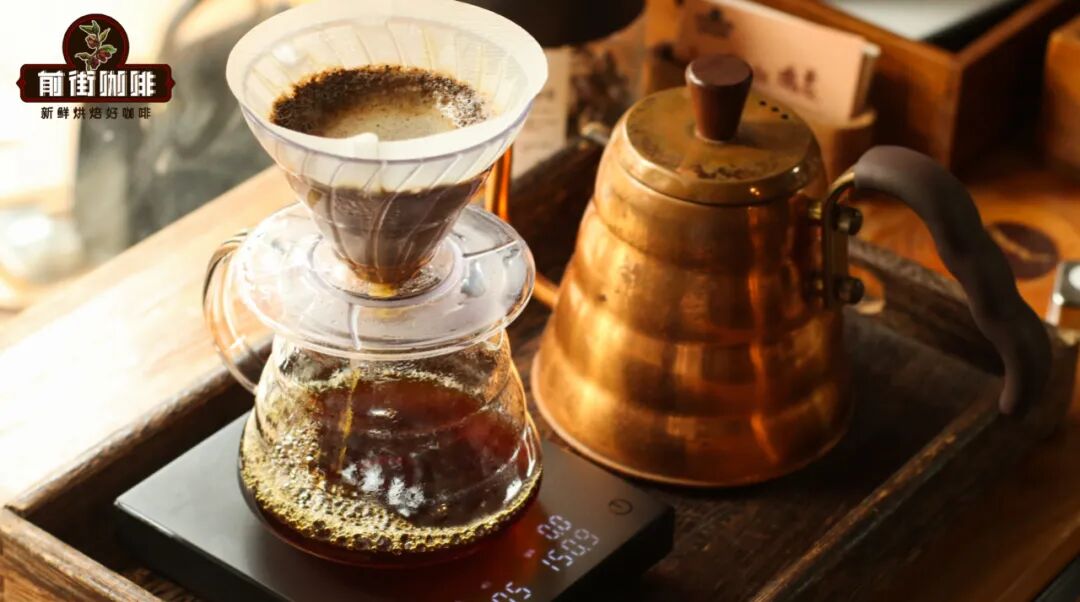
Pour over relies on manually pouring water, so the technique, water flow speed, and angle of each brewer can affect the final flavor. The term “extraction” refers to the process of dissolving soluble flavor compounds from ground coffee using water. Pour over is a gentle and natural extraction method that faithfully reflects the inherent characteristics of the coffee beans. The use of paper filters effectively removes coffee oils and fine particles, resulting in a clear and transparent brew. For coffee lovers with limited budgets who don’t want to invest in expensive equipment, pour over offers excellent cost-performance, allowing one to easily experience the diverse aromas of specialty coffee at home. It also enables adjustment of parameters such as water temperature, grind size, and brewing time to explore different flavor directions.
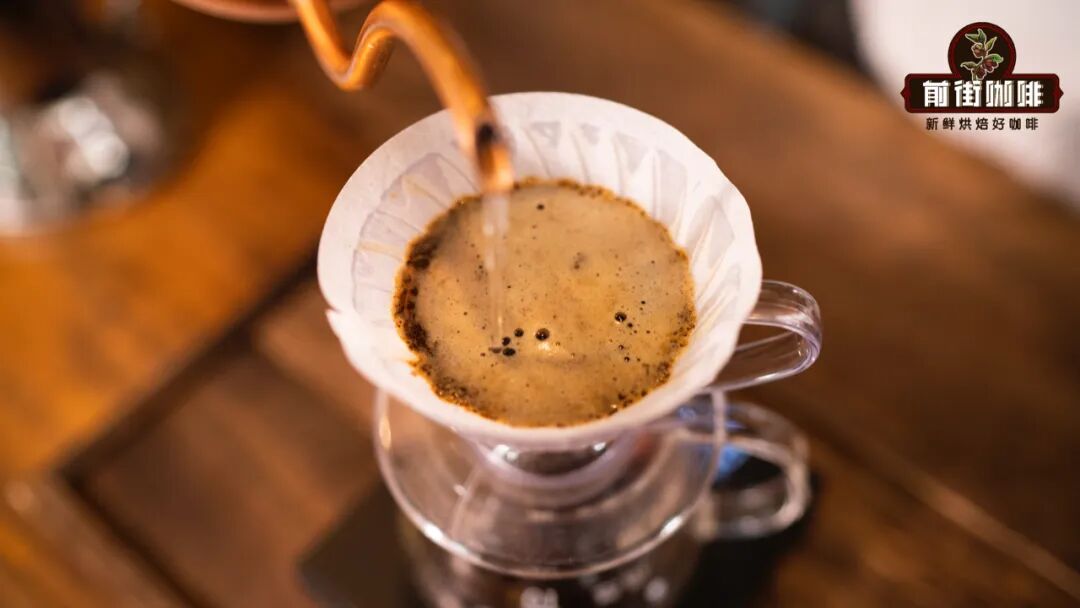
American manufacturers, based on the principle of pour over, developed electric drip brewers, commonly known as American coffee makers. It’s important to clarify that these machines brew drip-style coffee, not specifically American coffee (which is a prepared beverage made by diluting black coffee with water). Compared to manual drip, electric devices are more convenient to operate, but they offer relatively limited control over variables.
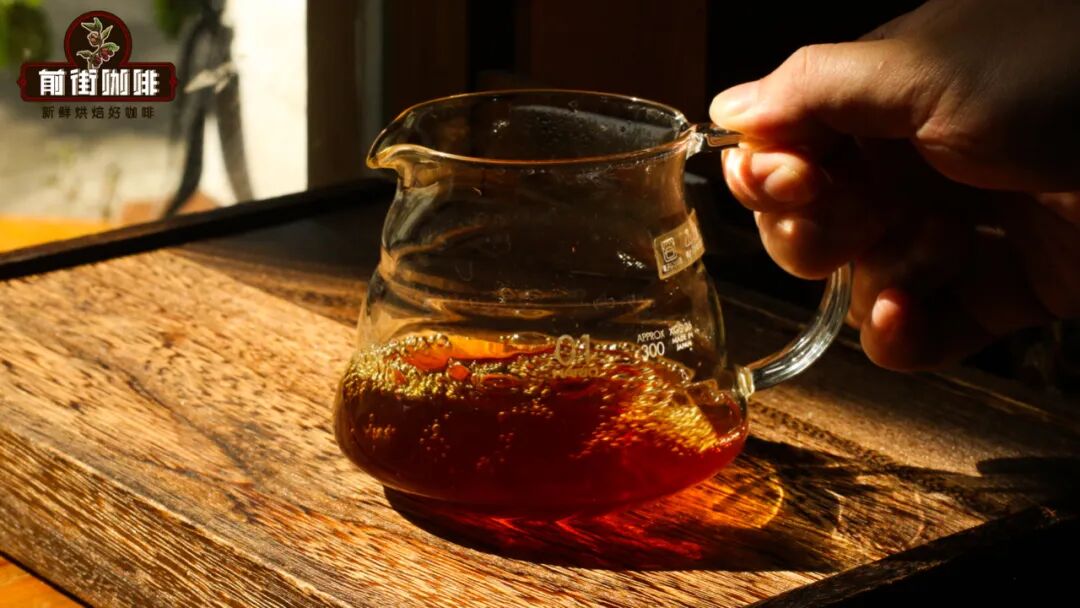
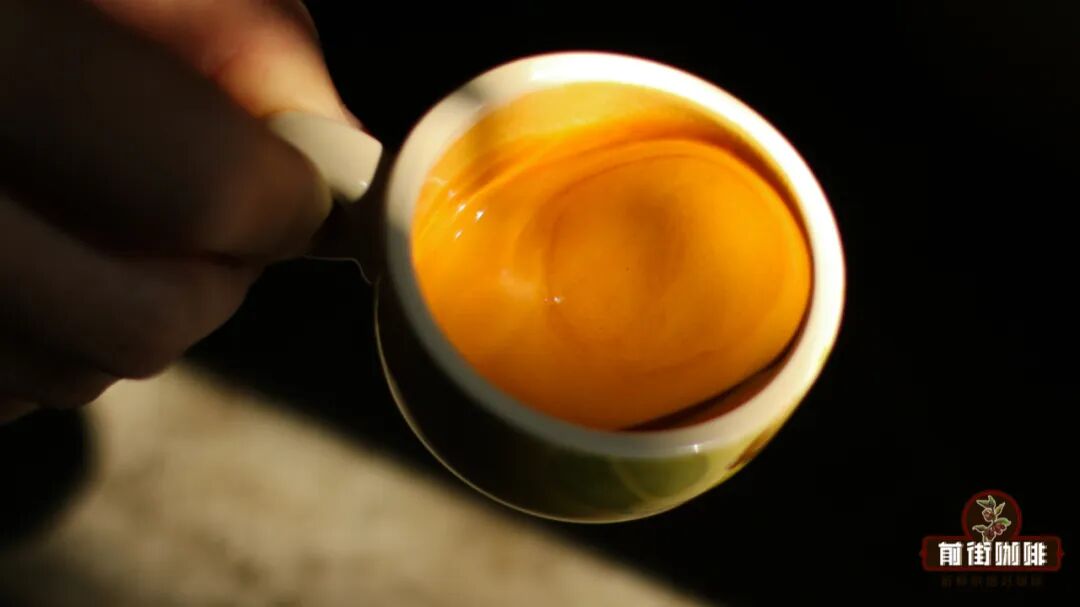
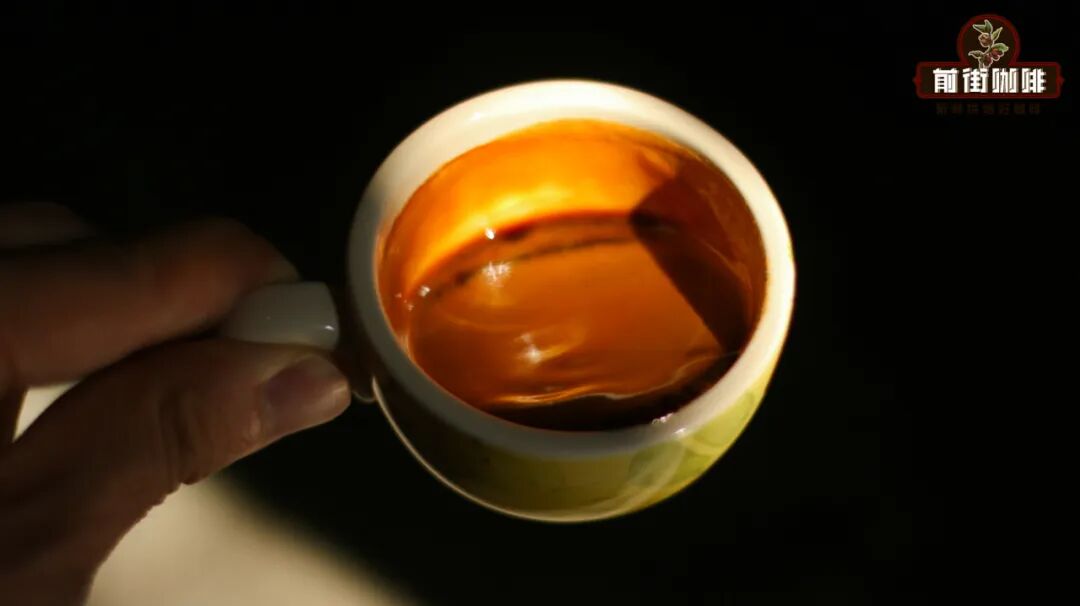
Espresso is produced by forcing very finely ground coffee through hot water (88–96°C) under high pressure (around 9 atmospheres) using an espresso machine, extracting the essence in just about 25–30 seconds. This method creates a strong, densely layered coffee topped with a layer of fine, golden to brown foam called crema. This foam results from the interaction of carbon dioxide and oils under high pressure and is also an important indicator of coffee bean freshness: the fresher the beans, the higher the carbon dioxide content, and the richer the crema. Espresso has an intense and concentrated flavor, often serving as the base for milk-based drinks like lattes and cappuccinos.
Immersion brewing involves steeping coffee grounds in hot water, allowing flavors to naturally release. Representative devices include the French press. This method provides even extraction and retains more oils, resulting in a richer, fuller-bodied coffee. Steeping times typically range from 4 to 7 minutes, requiring no complex techniques and suiting users who prefer simple operation and a bold mouthfeel.

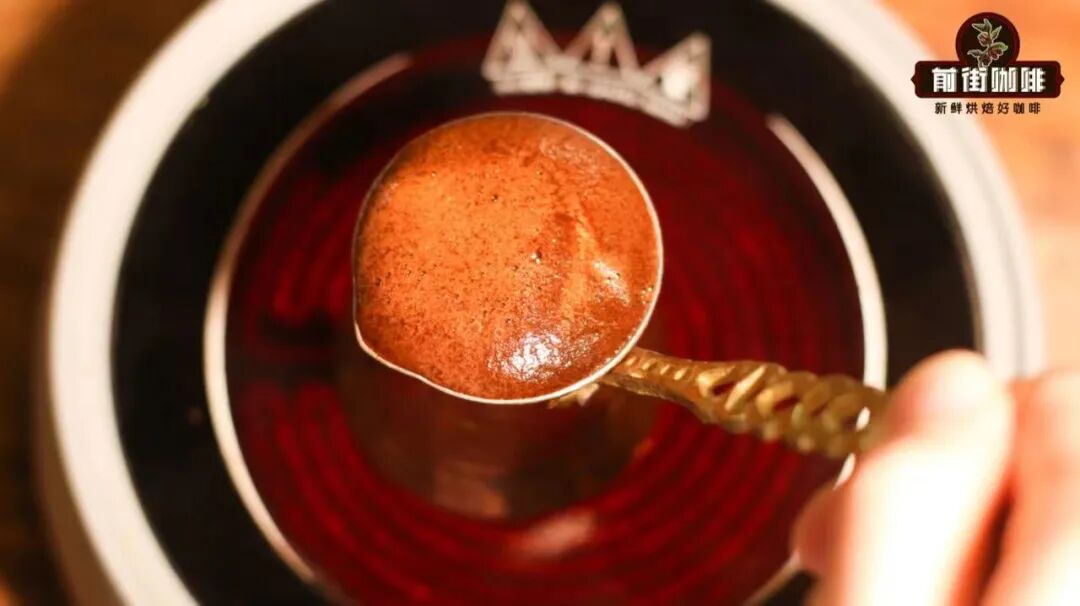
Boiled coffee involves heating the brewing device directly over a heat source, such as a Turkish coffee pot. Due to the difficulty in controlling water temperature, this method can easily lead to over-extraction, resulting in excessively strong or even bitter coffee. A representative drink is Turkish coffee, where ultra-fine coffee grounds are boiled with water without filtration, often served unfiltered with coffee grounds settling at the bottom, delivering an intense and original flavor.
In addition to the common methods above, there are many fun and challenging brewing devices on the market, such as the highly playful AeroPress, the visually striking Siphon (vacuum pot), and the convenience-and-control-balanced Clever Dripper. Based on the interaction between water and coffee grounds, as well as grind coarseness, these can be mainly categorized into five types: decoction, pressure, gravity, immersion, and cold brew.
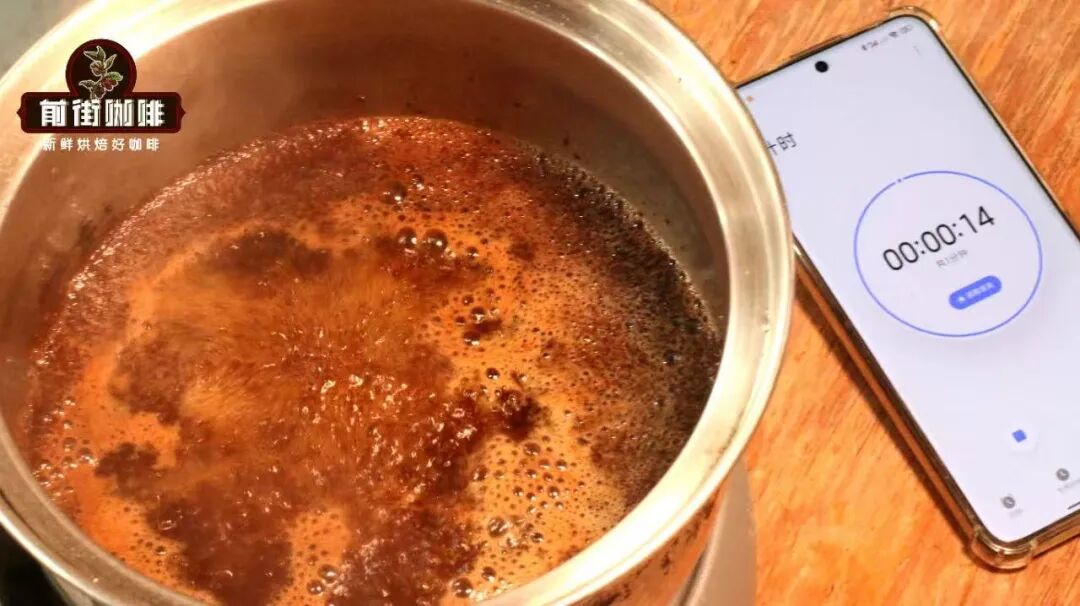
Decoction is the most traditional and straightforward method, simply involving placing coffee grounds in a container, pouring in hot water, and letting it settle naturally. This method is still seen in places like Indonesia, the Middle East, and Turkey—for example, Turkish coffee is made by boiling extremely fine grounds, often sweetened and spiced, and consumed along with the grounds. Though convenient, care should be taken not to drink the settled coffee powder at the bottom.
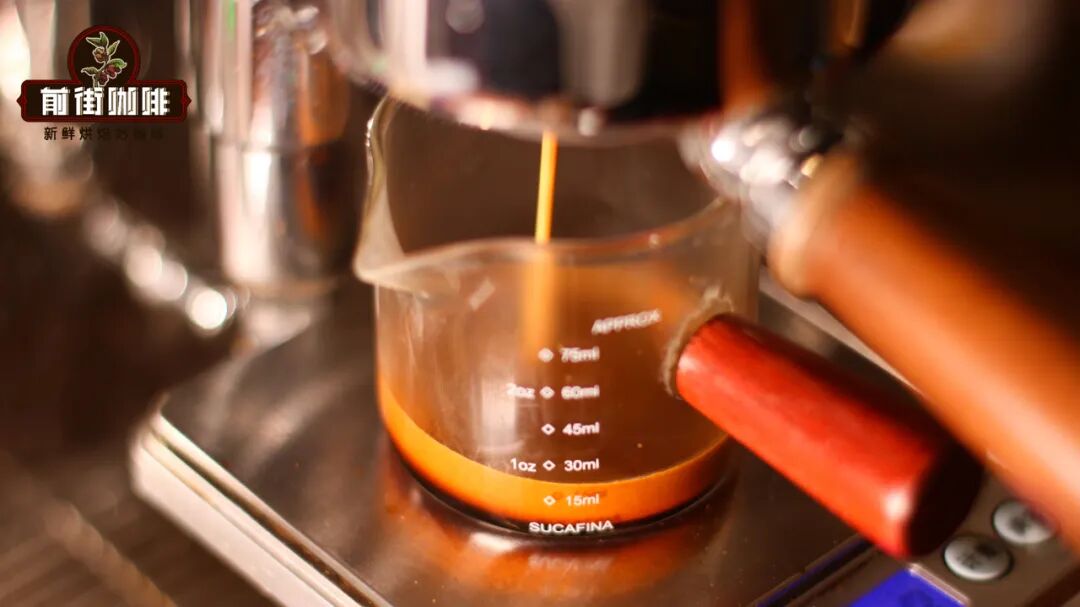
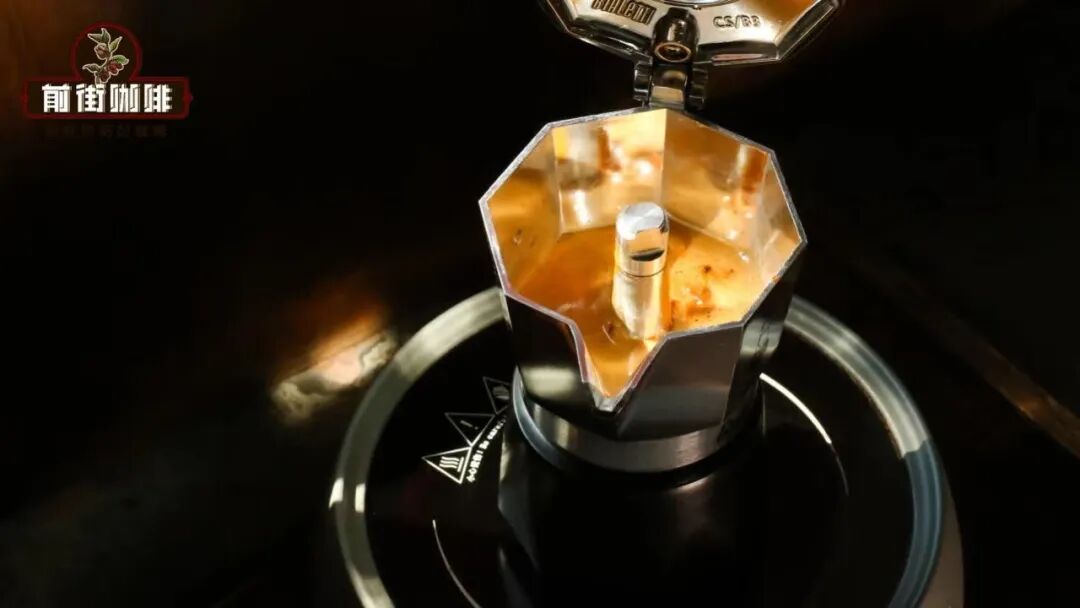
Pressure brewing is the core technique of espresso, using high pressure to force hot water through a compacted puck of coffee grounds, quickly extracting a highly concentrated coffee liquid, about 30 milliliters, rich in oils and intense in flavor. The moka pot is a commonly used pressure brewing device at home, with its three-layer structure using steam pressure to push water through the coffee grounds. Although it lacks crema, certain designs can still produce a golden foam.
Gravity brewing mainly refers to drip and pour over, relying on the natural gravity of hot water passing through the coffee grounds. The process is gentle and stable, producing clean and clear flavors. Traditional drip coffee machines were popular in the United States before the 1970s, but many models suffered from poor temperature control, often leading to flavor imbalance.
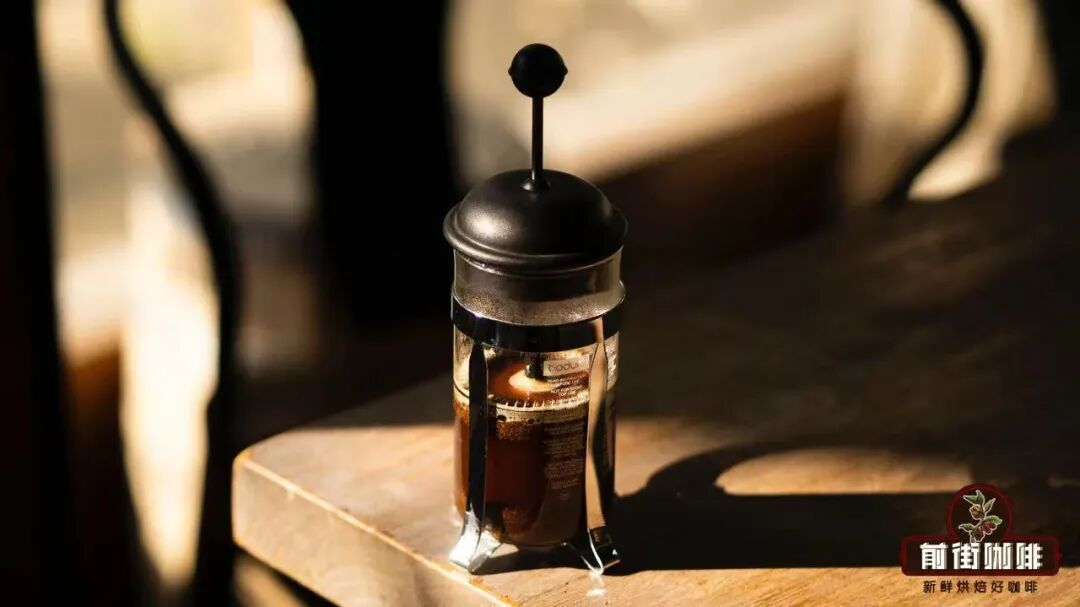
Immersion brewing is represented by the French press, where coffee grounds and hot water are steeped for several minutes before being separated by pressing down a plunger filter, leaving clear coffee liquid on top. This technique fully releases all flavor components of the coffee and is loved by many home users.
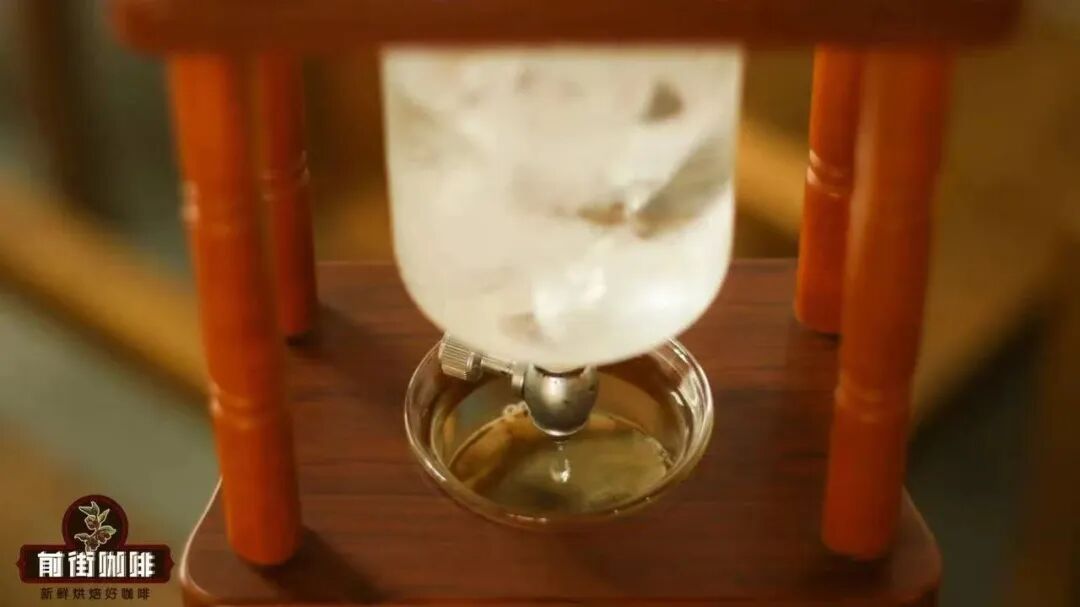
Cold brew (or ice drip coffee) doesn’t use hot water at all, instead slowly dripping cold water (from melted ice) through coffee grounds over a long period, sometimes several hours or more. This method yields a low-acid, low-bitterness profile with great depth and layers, but it is more costly and time-consuming, suitable for coffee enthusiasts seeking unique flavors.
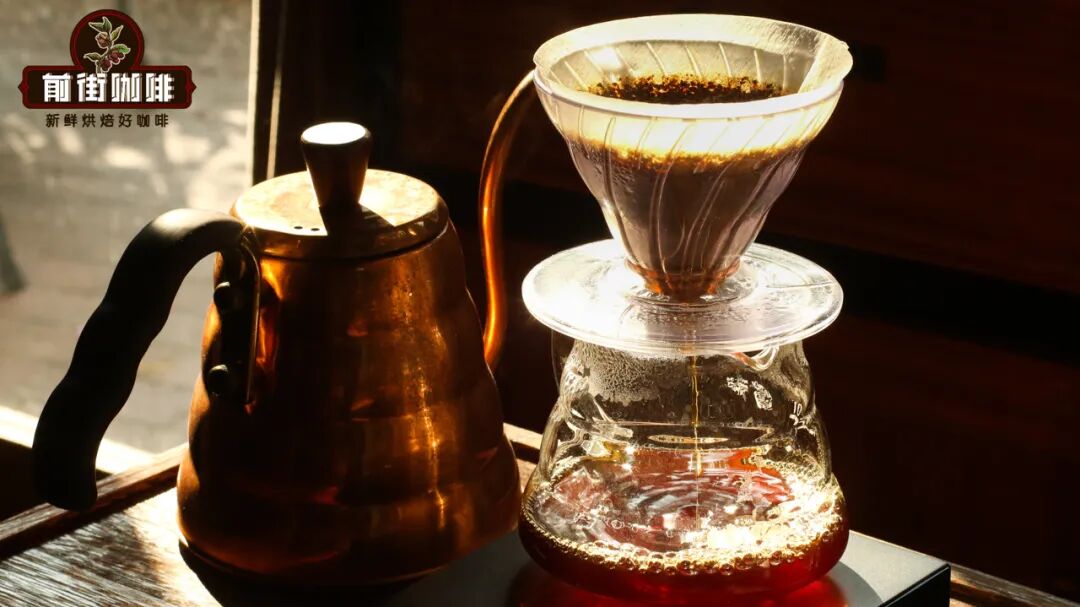
Drip coffee originated in Germany, and today’s commercially available filter paper and brewers (such as Melitta) stem from this tradition. This brewing method relies on hot water naturally dripping through, making the process simple, though electric kettles often result in insufficient water temperatures (not reaching the ideal extraction range of 88–92°C), leading to sourness or over-extraction. It’s recommended to adjust water temperature according to the roast level of the beans: for light to medium roasts, increase to around 91°C to enhance acidity and floral notes, while medium to dark roasts are better brewed at 88°C to avoid over-extraction and bitterness. Manual drip requires no expensive equipment—just a grinder, kettle, and filter (either paper or metal) to begin exploring the diverse world of coffee.
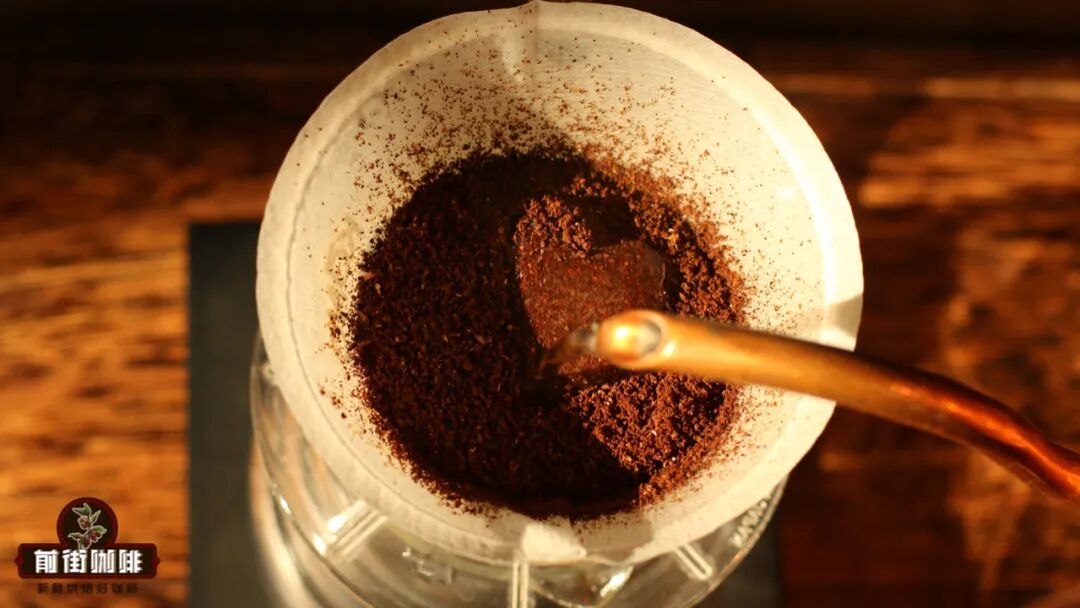
During the era when drip coffee was popular, especially in Europe and the Americas, it was the most common home brewing method. Even today, despite the widespread popularity of espresso, for most people, drip remains a more approachable and widely accepted option. Its clean, bright taste, free of noticeable pressure layers, makes it suitable for beginners new to coffee. Whether one prefers milk-based coffee or black coffee also influences the choice of brewing method.
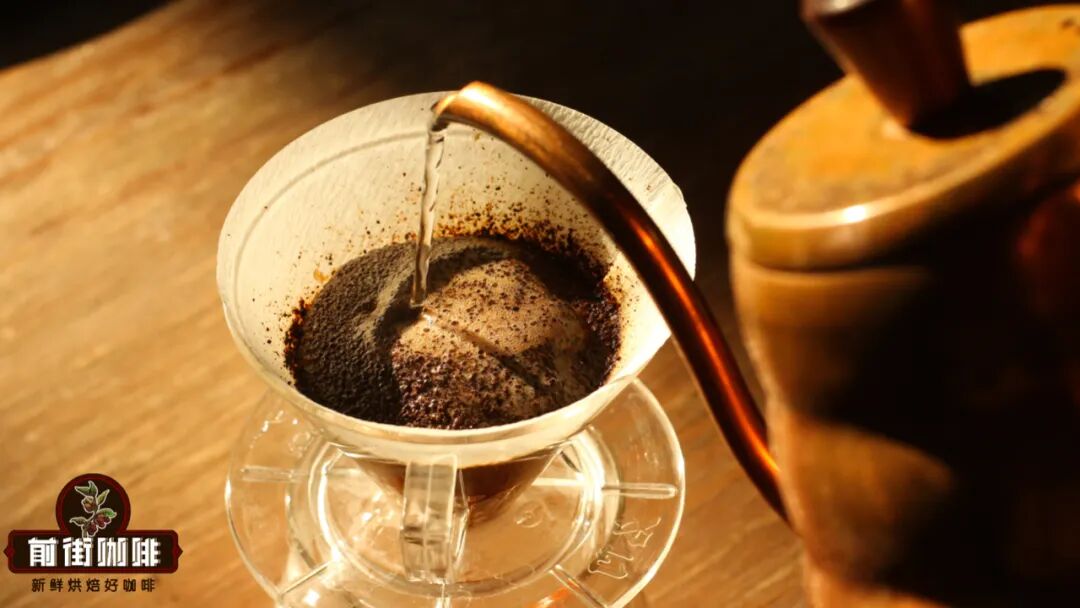
Common manual drip devices like the V60 and KONO cup each have their ideal use cases. The V60 emphasizes high permeability, highlighting acidity and fruity-floral notes while retaining a moderate amount of oils—especially suitable for bright single-origin beans like those from Ethiopia, Kenya, or Panama Geisha. The KONO cup, due to its different structure, is better suited for medium to dark roasts to express a rich and smooth mouthfeel, such as Blue Mountain, Mandheling, or Colombian Huila, making it an ideal choice for those who enjoy full-bodied flavors.
The above content is compiled by CoffeeHunters, a coffee news website.


