







Introduction:Major coffee chain brands in Japan consume a large number of disposable cups each year, and environmental organizations have revealed the resource waste and environmental threats behind this. This article provides an in-depth analysis of the actual usage and recycling status of nine major brands in 2020, as well as the response policies from around the world, to help readers understand the impact of coffee consumption habits on sustainable development.
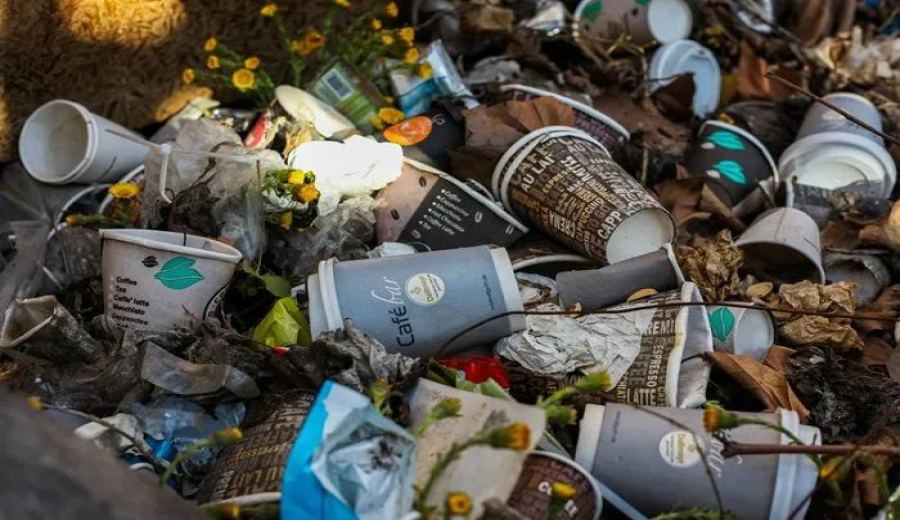
According to a recent investigation by Greenpeace, Japan’s nine well-known coffee chain brands used approximately 370 million disposable cups in 2020, equivalent to 91,000 discarded cups per hour. Most of these cups were not properly recycled but were instead incinerated or released into the natural environment, leading to resource waste and pollution issues. With the continuous rise in coffee consumption, especially the increased demand for takeout after the pandemic, the use of disposable cups has become a major environmental concern.
The investigation targeted major chain brands including Starbucks Japan, Tully’s Coffee, Pronto, Doutor, Caffe Veloce, Excelsior Caffe, Ueshima Coffee House, Cafe de Crie, and Komeda. The data shows that Starbucks alone provided up to 232 million disposable cups in 2020 across its more than 1,500 stores nationwide, accounting for the majority of total usage. This was followed by Tully’s Coffee with 72.5 million and Pronto with 35.3 million.
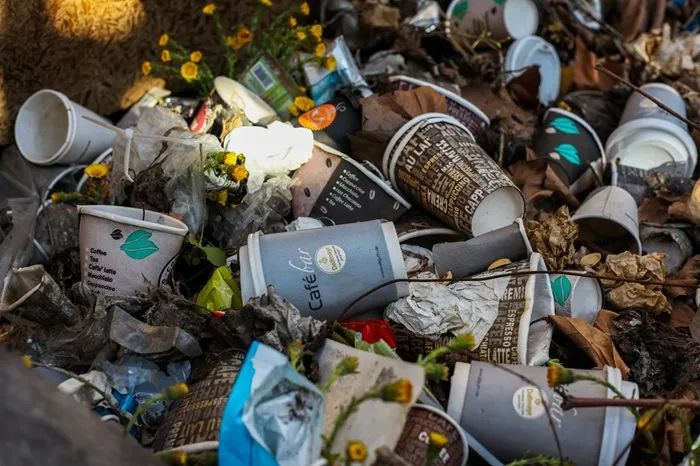
From a national perspective, Japan generates approximately 91,000 disposable coffee cups per hour on average, and most of these cups ultimately are not recycled but end up in incinerators or pile up in the natural environment. Environmental experts point out that such disposal methods not only waste resources but may also have long-term negative impacts on ecosystems, making it urgent to promote reduction, reuse, and refill solutions.
The proliferation of disposable cups is not just a problem in Japan; the entire East Asian region faces similar challenges. Taking Hong Kong as an example, a 2022 survey showed that local residents discard up to 400 million disposable coffee cups annually, with only a very small number of consumers bringing their own cups, highlighting the necessity for changing consumption habits. Against the backdrop of an increasingly popular coffee culture, the growing demand for takeout has made this issue even more challenging.
Japan is home to over 8,000 coffee brands, making it one of the countries with the highest density of coffee shops in the world. Its mature market is accompanied by a high demand for packaging. After the pandemic, delivery and takeaway services have become a significant source of revenue for many coffee chains, further increasing the use of disposable cups and drawing more attention to environmental issues.
In response to this challenge, major global brands and government bodies have begun to take action. In March 2022, Starbucks announced plans to gradually phase out disposable coffee cups across its more than 35,000 stores worldwide and has already piloted reusable cup schemes in the UK, France, and Germany, with the goal of offering cup reuse services in about 17,000 stores in the US and Canada by 2023.
In addition, South Korea has implemented a disposable cup deposit system for chain coffee shops with more than 100 stores since 2021, requiring customers to pay a deposit to encourage cup returns. In 2022, this policy was further expanded to cover over 38,000 food and beverage establishments across the country. Ireland, in 2022, signed the "Circular Economy and Miscellaneous Provisions Act 2022," which explicitly prohibits restaurants and cafés from providing disposable cups to dine-in customers and imposes a fee of €0.20 per takeout cup, with implementation expected by the end of 2022.
These international examples show that reducing the use of disposable cups is not only an environmental appeal but also a global trend toward sustainable transformation in the food and beverage industry. For consumers, bringing their own cups and supporting businesses that promote environmentally friendly policies are practical ways to get involved. The future sustainability of coffee culture will depend on society's overall reflection and action regarding resource utilization.
The above content is compiled by CoffeeHunters, a coffee news website.


