







Introduction:A long-established Taiwanese coffee chain, Seattle’s Best Coffee, faced a food safety controversy involving alleged adulteration and counterfeiting after multiple pre-packaged coffee bean products labeled as "100% Arabica" were found to contain Robusta beans. The case not only raises questions about label accuracy but also shakes consumer trust in the purity of coffee bean varieties. This article delves into the background of the case, inspection data, and the latest court developments, helping you understand how coffee bean varieties are distinguished, common methods of blending, and how to identify authenticity through key parameters.
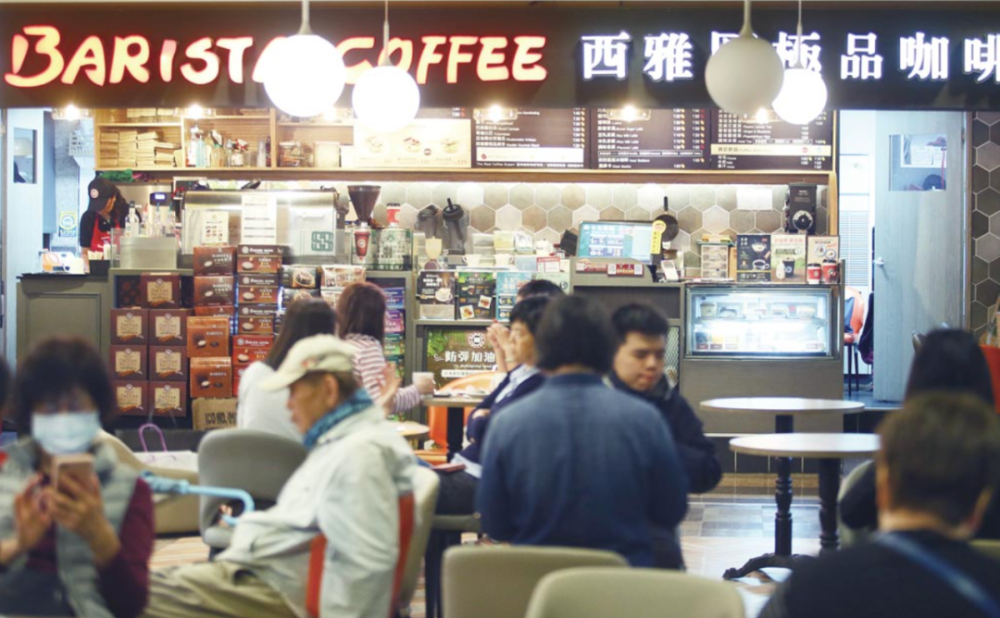
In 2019, it was revealed by media that Seattle’s Best Coffee, a well-known Taiwanese coffee chain, had been selling multiple pre-packaged coffee bean products labeled as "100% Arabica," which were actually found to contain between 13% to 26% Robusta beans. These products were sold for approximately 22 months. This conduct is suspected of violating food safety laws regarding adulteration and counterfeiting, leading to the prosecution of the founder, Mr. Liu, and two other individuals.
The brand was established in 1997, initially focusing on retail store operations. In 2002, due to natural disasters and financial crises, it shifted to selling pre-packaged coffee products. However, starting in 2018, several of its "100% Arabica" coffee beans were tested by Germany’s QSI TÜV SÜD Laboratory and found to contain unusually high levels of "16-O-methylcafestol"—a substance that is present in very low amounts in pure Arabica but is significantly more prevalent in Robusta. Test results showed that the levels of this substance in the implicated products ranged from 223 to 552 ppm, far exceeding the typical range for purebred Arabica.
In response to the allegations, the brand initially argued that Timor, a natural hybrid of Arabica and Robusta, could explain the high concentration of the substance. However, most coffee researchers pointed out that even if Timor were used, the levels of "16-O-methylcafestol" would still be unlikely to reach the peaks detected in the tests. Moreover, the product labels clearly stated "100% Arabica" without any mention of hybrid bean components.
Mr. Liu admitted in court that he had orally instructed the roasting facility to add Robusta beans to enhance the richness of the flavor, but the administrative team neglected to update the packaging labels. He also provided a self-commissioned test report from October 2019 in an attempt to prove the products were pure Arabica, but the tested samples were not from the batches examined by the media. The brand later only agreed to recall products sold before September 30, 2019, and changed the labels on the problematic products from "100% Arabica Coffee Beans" to "100% Coffee Beans," prompting accusations of evading legal responsibility.
According to court calculations, the brand's illegal profits from blending Robusta beans amounted to approximately RMB 4.07 million, excluding costs and other expenses. In a recent court hearing, Mr. Liu did not deny the falsity of the labels but argued that this constituted a labeling defect rather than the adulteration and counterfeiting defined under food safety laws. Citing the impact of the pandemic, he requested a lighter sentence in exchange for paying RMB 452,000 in public welfare funds (as part of a suspended sentence condition) and emphasized that the company did not lay off employees or reduce salaries during the pandemic, hoping the court would consider the operational challenges faced by a local brand.
The core issue of this case is: while blending Robusta beans is not necessarily illegal, does labeling a product as "100% Arabica" without disclosing the presence of other varieties mislead consumers? Experts point out that although both Arabica and Robusta belong to the Rubiaceae family, the former is a small-bean variety (a hybrid of Typica and Bourbon), while the latter is derived from medium-to-large leaf varieties. The two differ significantly in flavor, acidity, and body.When consumers purchase "100% Arabica," they should rightfully expect a pure product..
In practice, some producers blend small amounts of Robusta into espresso blends to enhance richness, which is a common practice, but the mixing ratio and variety information must be clearly labeled. What makes this case unique is that the brand marketed itself with the image of a high-end purebred product for a long time, yet failed to indicate any Robusta content on the packaging or in its promotions, leading consumers to believe they were purchasing pure Arabica.
The case is pending judgment, and the court will clarify the boundary between misleading labeling and food safety law violations regarding adulteration and counterfeiting. For consumers, when purchasing pre-packaged coffee beans, in addition to looking for the "100% Arabica" label, you can further check the roaster’s information, inspection reports, or use the flavor wheel to identify unusual taste profiles (such as excessive richness lacking the fruity acidity typical of Arabica).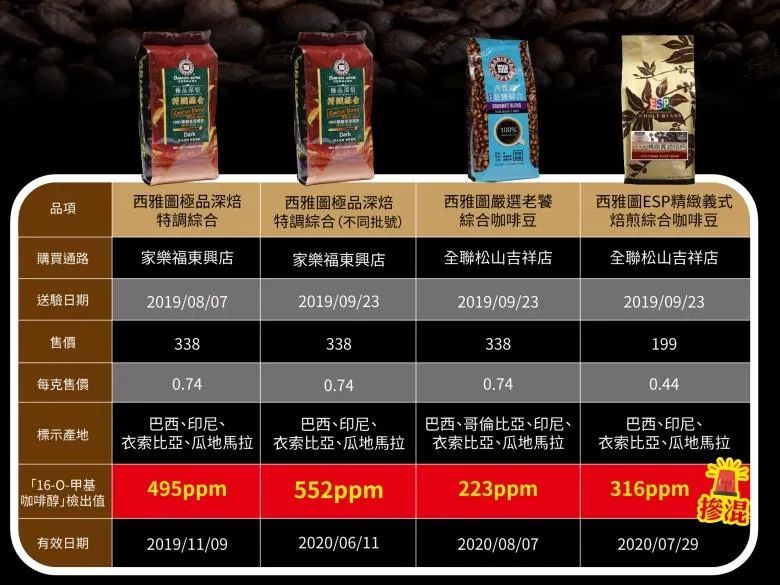
The above content is compiled by CoffeeHunters, a coffee news website.


