







Introduction:Pour-over coffee enthusiasts often face the challenge of balancing extraction yield and beverage concentration. This article delves into the unique extraction strategy known as "high concentration, low extraction," analyzing how it achieves a precise adjustment of the coffee-to-water ratio to suppress bitterness while preserving a rich spectrum of flavors. Starting from the Golden Cup theory and incorporating real brewing examples, it details parameter settings, techniques, and suitable bean types to help you find your personalized flavor balance.
In the world of pour-over coffee, the coordination between extraction yield and concentration remains a key focus for coffee lovers. A brewing method known as "high concentration, low extraction" aims to minimize the interference of bitterness while showcasing layered and distinct flavor profiles. The core of this approach lies in skillfully adjusting the coffee-to-water ratio to achieve a unique equilibrium between extraction efficiency and concentration.
What exactly is high concentration, low extraction? How does it relate to the industry-recognized Golden Cup extraction standard? What specific adjustments to the coffee-to-water ratio can achieve the desired outcome? We will explore the operational principles, key technical points, and optimal use cases of this method through practical brewing experience—using Golden Mandheling as an example—to help you discover a more personalized extraction approach in your daily pour-over practice.
The core concept of high concentration, low extraction originates from an extended application of the Golden Cup extraction theory. The Golden Cup standards, established through professional research, indicate that when a coffee’s extraction yield is maintained between 18% and 22%, and its concentration falls within the range of 1.15% to 1.35%, optimal flavor performance is typically achieved. It should be noted that these standards are based on the taste preferences of American consumers, and variations may exist across different regions. For instance, Norwegian consumers tend to prefer a higher concentration range of 1.3% to 1.55%. Nevertheless, the 18%–22% extraction yield range is widely accepted as a reasonable benchmark in the industry.
So-called high concentration, low extraction refers to using a relatively lower extraction yield paired with a higher concentration value within the Golden Cup standard range. A typical manifestation is when coffee concentration reaches 1.35% while the extraction yield is only 18%—this fits the profile of high concentration, low extraction. In some cases, even if the data does not fully fall within the standard range but is close (e.g., concentration at 1.4% and extraction yield at 17.4%), it can still be classified as high concentration, low extraction.
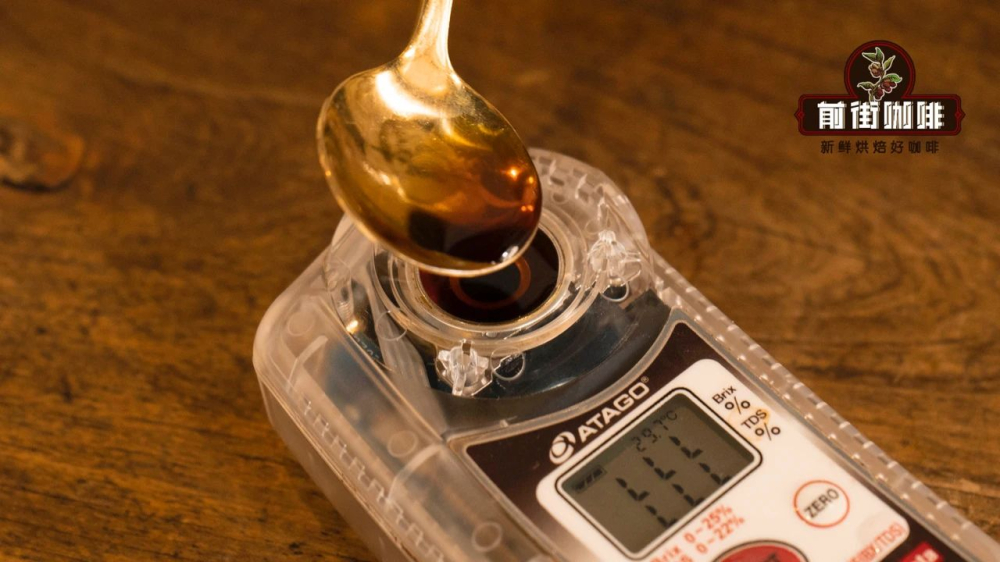
Concentration and extraction yield affect coffee flavor through different mechanisms. The concept of concentration is relatively straightforward—just as with saltwater, too low a concentration leads to blandness, while too high results in bitterness and astringency. Ideally, coffee at 1.35% concentration usually offers a richer taste profile and body compared to one at 1.05%. The main methods to achieve high concentration, low extraction include reducing the water volume or increasing the amount of coffee grounds—for example, adjusting the commonly used 1:15 coffee-to-water ratio to 1:13 can effectively elevate concentration while lowering extraction yield.
It is worth noting that although the high concentration, low extraction method can effectively suppress bitterness and enhance flavor and acidity profiles, it also has certain limitations. Coffee brewed using this method often has a shorter aftertaste, so it is advisable to use this approach cautiously with beans that inherently possess outstanding aftertaste characteristics.

This method is particularly suitable for dark-roasted bean varieties. Take Golden Mandheling as an example: such deeply roasted beans, due to the roasting process, develop a loose internal structure (crumbling easily with light pressure), and exhibit stronger water absorption after grinding. To avoid over-extraction that releases excessive bitter substances, it is recommended to use a coarser grind than that for light-roasted beans (about 70% passing through a Chinese standard No. 20 sieve, or around setting 11 on an EK43s grinder). The caramelization and Maillard reactions that occur during deep roasting promote non-enzymatic browning between monosaccharides and amino acids, resulting in larger molecular bitter compounds. To address this, it is appropriate to reduce the brewing water temperature—while light-roasted beans suit temperatures between 91–93°C, dark-roasted beans are recommended to be brewed at 87–88°C.
For full-bodied bean varieties such as Indonesian Mandheling, Brazilian Queen Estate beans, and Jamaican Blue Mountain, it is recommended to use the KONO filter cone for brewing. Consistently applying a three-stage pouring technique helps better present a rich mouthfeel and caramel sweetness, while also improving precision in time and water volume control during brewing.
During the brewing preparation stage, start by wetting the KONO filter cone to ensure the filter paper adheres tightly to the cup wall. After discarding the accumulated water in the server, add 15 grams of ground coffee, then pour 30 grams of hot water for a 30-second bloom. This step aims to fully saturate the coffee grounds, facilitate the degassing process, and create favorable conditions for subsequent flavor extraction. Please note: for dark-roasted beans (such as Mandheling), the bloom time should not exceed 30 seconds to avoid excessive release of woody and off-flavors—this contrasts sharply with the common practice of extending the bloom to 45–50 seconds for light-roasted beans.
The second stage begins from the center of the filter cone, using a slow, small stream to circle-pour until the water volume reaches 125 grams, at which point the first pour segment is completed. Maintaining a steady flow rate is crucial, as excessive agitation may cause the coffee bed to collapse, affecting extraction uniformity. When the coffee bed lowers to the middle of the filter cone, continue with the same technique to pour up to 225 grams for the second segment. The entire extraction process should be controlled within 2 minutes ±10 seconds.
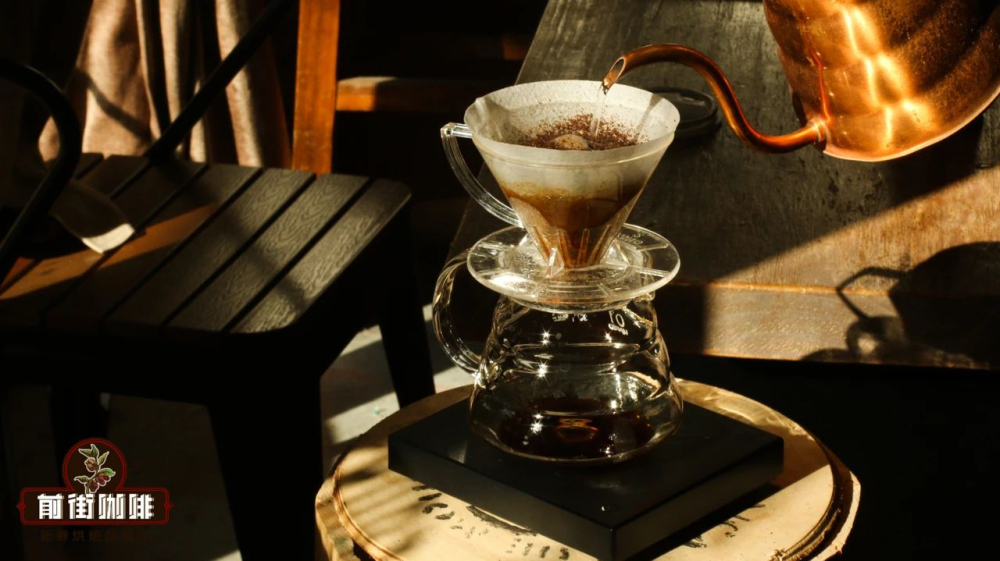
Finally, give the coffee in the decanter a good stir before tasting. Using these parameters, the brewed Golden Mandheling presents a complex aroma of spices, dark chocolate, nuts, caramel, and pine, with a rich and clean mouthfeel, pronounced sweetness, and a long-lasting aftertaste. Special reminder: keep image placeholder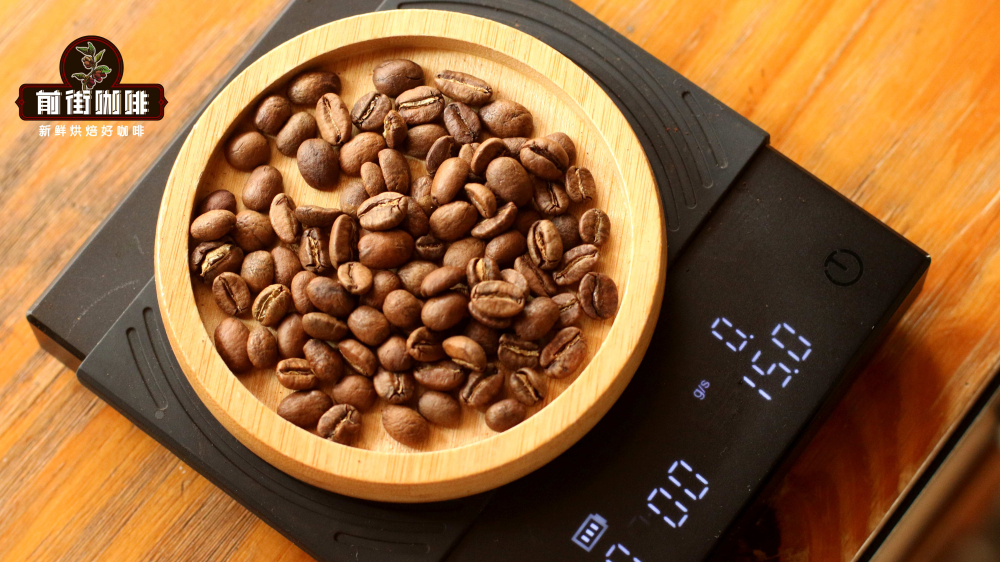 Corresponding visual illustrations of the actual brewing process help clarify the specifics of the segmented pouring technique.
The above content is compiled by CoffeeHunters, a coffee news website.


