







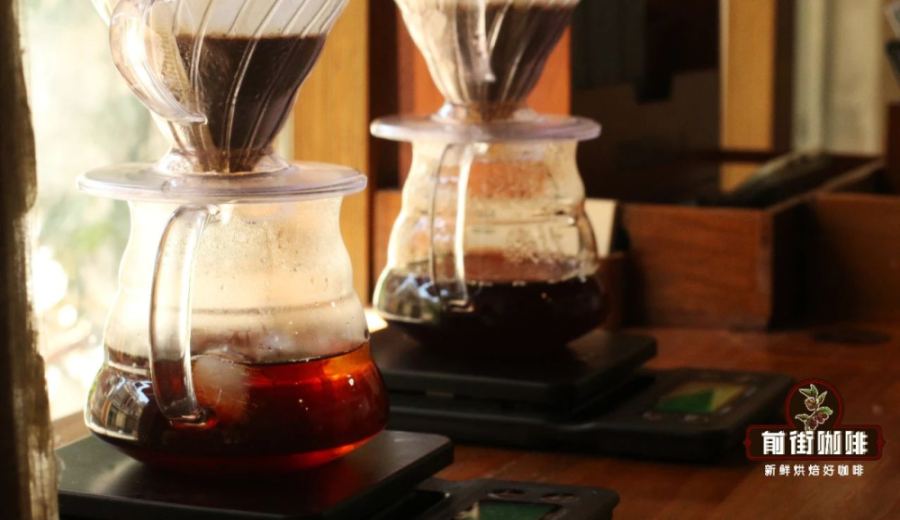
Introduction:Water temperature is one of the soul variables in pour over coffee, yet it is often misunderstood as the sole key factor. This article delves into how temperature affects the extraction of soluble substances in coffee, breaks down the logic behind the golden range of 86–93°C, and debunks common misconceptions—such as why a 1°C difference isn’t necessarily the main reason for variations in taste. It also introduces competition-level variable-temperature brewing techniques, including the practical parameters of the "Three-Temperature" method, helping you precisely control the flavor layers of every cup.
The role of water temperature in coffee brewing is far more complex than a single number. While it is a key parameter influencing flavor, it is not the only independent factor that determines overall performance. As water temperature increases, the extraction efficiency of soluble substances does indeed accelerate. However, excessively high temperatures can lead to the premature release of bitter compounds, so it’s important to set a reasonable range with care. Most coffee beans perform best within86~93°Cthe temperature range, but the actual temperature selection should also be flexibly adjusted based on the origin characteristics of the beans, roast level, and the desired flavor profile.
From basic temperature zones and common operational pitfalls to the popular variable-temperature brewing methods in recent coffee competitions—including the "Three-Temperature" method developed by Wu Zelin—we will analyze them one by one. This will help you truly understand the profound impact of temperature on coffee flavor and master the control techniques.
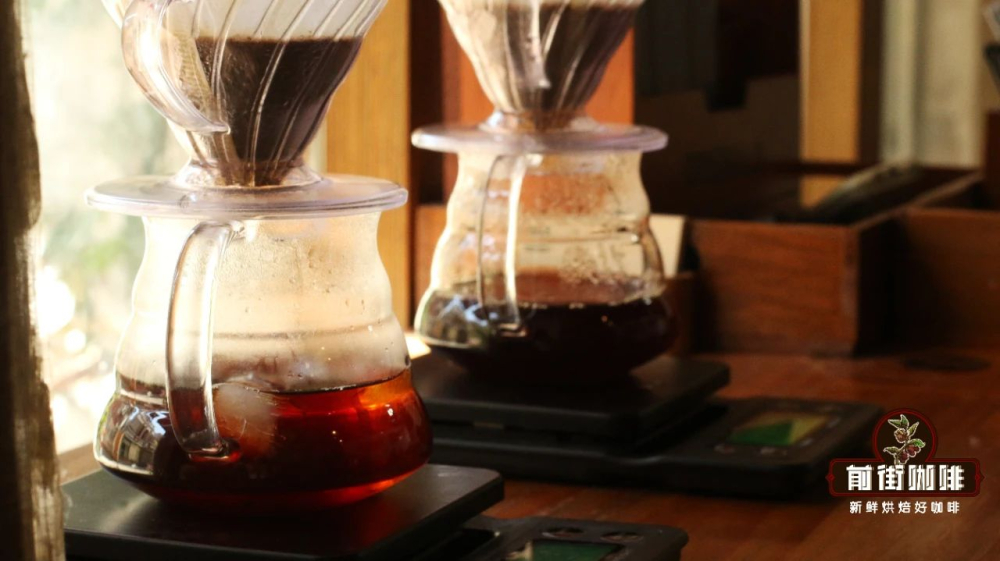
If you believe that water temperature plays a pivotal role in pour over coffee, that understanding is only half correct. As an important tool for adjusting extraction rate, higher water temperature can indeed accelerate the dissolution of soluble substances. But overly high temperatures can cause coffee to quickly release bitter components, so it’s recommended to keep the water temperature within a relatively conservative and effective range. Usually, the vast majority of coffee beans on the market are suitable for brewing with86~93°Cwater.
Taking practical brewing experience as an example, medium to light roasted coffee beans produced in high-altitude regions—such as Ethiopia’s Huila, Panama’s Geisha, or Kenya’s AA—can use91~93°Cwater temperature to fully showcase their bright acidity and layered flavors. For medium to dark roasted beans, such as Golden Mandheling, Blue Mountain No.1, or Brazil’s Queen Estate, it is recommended to use86~88°Cwater temperature to avoid bitterness caused by over-extraction. If the coffee you brew exhibits both acidic and bitter flavor characteristics, you might as well directly use90°Cwater temperature, which is a balanced point that is neither prone to over-extraction nor under-extraction.
However, precisely because the water temperature parameter is relatively intuitive and its impact on flavor is more easily perceived, many coffee enthusiasts tend to fall into a misconception: obsessing over minor 1°C differences. For instance, a customer followed the recommendation to brew Sidamo coffee beans at91°C, only to find the aroma weak and the bitterness pronounced, subjectively attributing it to the high water temperature. But after trying 2°C lower, the taste was still not as expected. Further communication revealed that the real issue lay in the grind size being too fine, not the water temperature itself.
We once conducted a comparative test, using91°Cand93°Cto brew the same beans. The two actually had quite similar flavor profiles, and although there might be slight differences in taste delicacy, unless a direct blind tasting comparison is done, most drinkers would find it hard to notice any obvious distinction. Therefore, as long as your water temperature setting does not deviate significantly from the recommended range above, and if the coffee’s performance shows significant abnormalities, the issue is more likely due to other brewing parameters rather than just the water temperature.
In recent years, more and more coffee competition participants have adopted the "variable-temperature brewing" technique, which involves using higher water temperature in the first half of the brew and switching to lower temperature in the second half. What kind of flavor control secrets does this dynamic adjustment of water temperature hide?
In fact, variable-temperature brewing is not a new concept. Long before it became popular in competitions, Wu Zelin proposed the famous "Three-Temperature" brewing method, which is a classic practice of variable-temperature pour over. Here’s how it works:
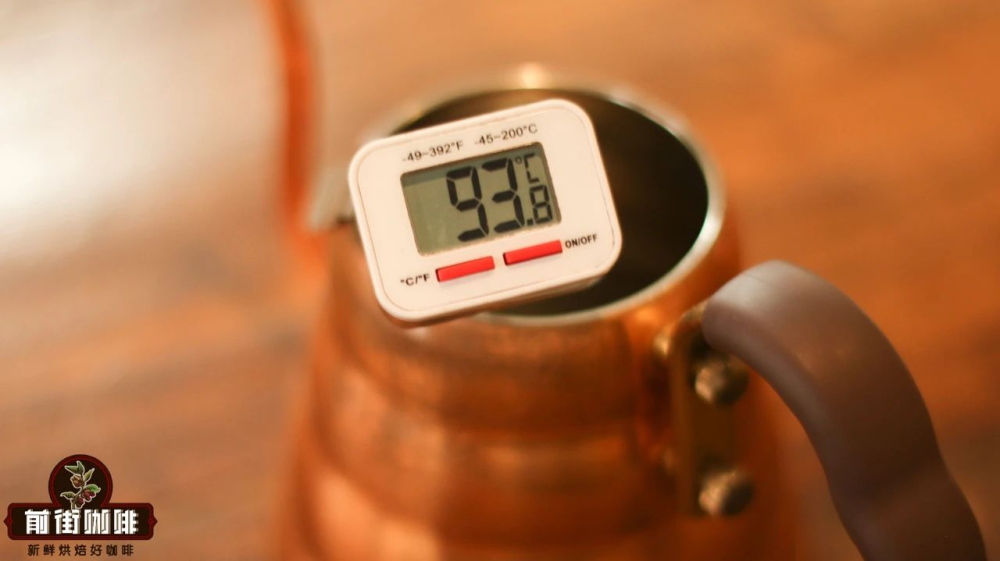
Using16 grams of coffee groundsas the base, a total of240 millilitersof water is poured in four stages:40 ml, 80 ml, 80 ml, and 40 ml. The first two pours use94°Chigh water temperature, the third pour is reduced to90°C, and the final pour is further lowered to80°C. Through this stepwise temperature variation, it achieves layered flavor extraction.
So, how does variable-temperature brewing affect coffee flavor? To understand the principle, we can approach it from two key knowledge points. Once mastered, you’ll easily grasp the flavor control logic brought about by temperature changes.
The above content is compiled by CoffeeHunters, a coffee news website.


