







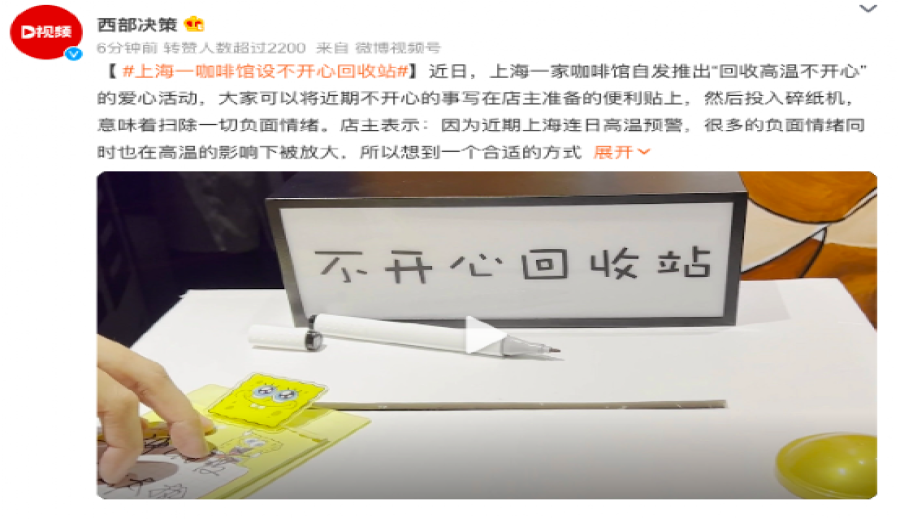
Introduction:A Shanghai independent café has launched a public welfare initiative called “High-Temperature Emotion Recycling,” combining a paper-shredding ritual with free cold drip coffee to help customers relieve stress during the scorching summer. This article delves into the creative design of the campaign, cites scientific research supporting caffeine’s positive impact on mood, and shares practical advice for choosing iced coffee—helping readers maintain a good mood even in the heat of summer.
As Shanghai experienced consecutive days of temperatures exceeding 37°C, with heatwaves and irritability filling the city streets, a hidden independent café tucked away in an alley quietly initiated a heartwarming campaign. Dubbed the “High Temperature Unhappiness Recycling Project,” this public welfare activity featured a simple yet highly ritualistic interaction—inviting customers to write down their worries on sticky notes and then feed them into a shredder for complete destruction—paired with complimentary cold drip coffee on-site. Unexpectedly, it became a hot topic on social media platforms.
The specially set-up cold drip coffee station at the event<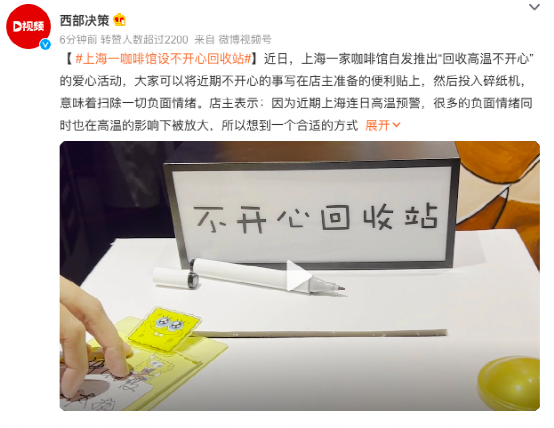 > became a secret hideaway for many office workers during their lunch breaks. The café owner carefully crafted three different flavored cold drip coffees: Ethiopian Yirgacheffe offering bright citrus notes, Sumatra Mandheling known for its low acidity and rich body, and a specially blended mint coffee suited for those seeking a refreshing taste. Each cup used a golden coffee-to-water ratio of 1:15, with the dripping time controlled to be over 12 hours to ensure a well-layered flavor profile.
“We observed that high temperatures can amplify everyday stress,” the café owner explained the concept behind the design in an interview. “The sound of the shredder working together with the aroma of coffee creates a healing combination, like giving your emotions a mini spa treatment.” This creative idea stems from a nuanced observation of urban dwellers’ mental states—amid crowded commutes and work pressures, many people need a safe outlet to release accumulated negative emotions.
 Scientific research confirms that caffeine can promote dopamine secretion by stimulating the central nervous system. A 2021 European coffee science survey showed that among respondents who maintained their daily coffee habit during the pandemic,44% believed drinking coffee helped stabilize their mood. Experts point out that moderate intake (recommended not to exceed 400 mg of caffeine per day) not only enhances focus but also triggers the brain’s reward mechanism, producing a natural sense of pleasure.
Want to recreate a similar healing effect at home? Professional baristas suggest trying a DIY “Mood-Ice Coffee” method: use medium-to-light roasted beans (such as Kenyan AA), brewed via cold drip or cold brew (ratio 1:8, time 18–24 hours), and add a slice of freshly grated lemon peel or a sprig of mint for flavor. Be careful not to overdo sugar syrup, so as not to mask the inherent flavor characteristics of the coffee.
The campaign resonated widely with netizens. One commenter wrote: “Watching the note fragments fly away made me suddenly feel that workplace setbacks weren’t so scary after all.” Many more were touched by the details of the free iced coffee—the staff would proactively offer coffee based on customers’ expressions, creating a unique “emotion observation service.” This innovative model that combines beverages with psychological comfort may herald the future diversification of café functions.
The above content is compiled by CoffeeHunters, a coffee news website.


