







Introduction:Pour over coffee is often regarded as a bit of a "mystery," especially for beginners, where flavor variations and the brewing process can seem baffling. In fact, by mastering just three key parameters—grind size, water temperature, and brew ratio—you can unlock the secrets behind a cup of coffee’s flavor. This article will analyze these critical elements from a scientific perspective to help you build a solid foundation and no longer be intimidated by the so-called "mystery."
Many newcomers to pour over coffee find it shrouded in mystery, particularly when it comes to flavor expression and brewing techniques. In reality, understanding basic factors such as brew ratio, water temperature, and grind size can explain why the same coffee beans can yield vastly different flavors. This article will take you deeper into how these parameters influence flavor, making your pour over learning journey clearer.

In the coffee enthusiast community, "coffee mystique" has always been a hot topic, mostly revolving around the unpredictability of flavor descriptions and the extraction process. This article will help you cut through the fog, using a scientific viewpoint to break down the various variables in pour over brewing, so you’re no longer misled by appearances.

A common scenario is that you might drink a cup of coffee and only taste strong acidity and bitterness, while someone next to you can list numerous fruit, floral, and other flavor notes, making you wonder: “Are we even drinking the same cup?” This kind of “flavor mystique” is one of the reasons many beginners feel frustrated.
To those unfamiliar with coffee, seeing others describe flavors with such precision often leads to amazement: “That’s amazing, it seems so mysterious!” But in truth, there’s still logic behind it.
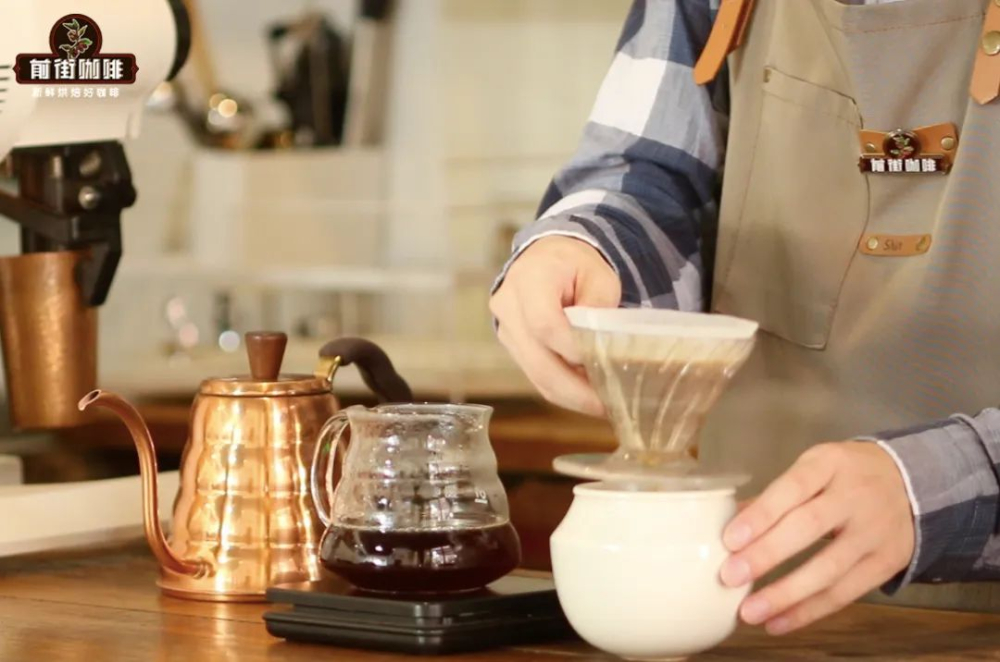
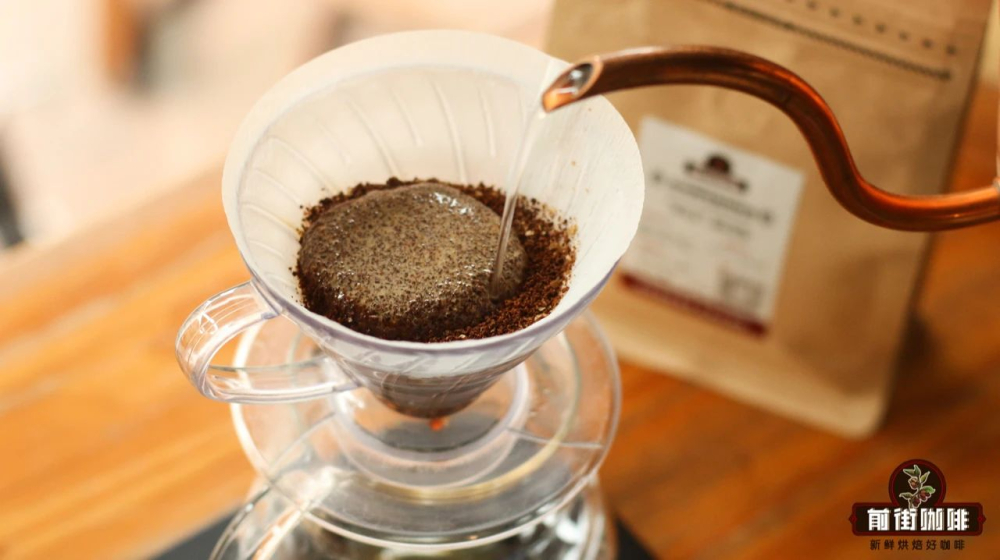
Among the many variables, brew ratio and water temperature are relatively easier to control because they can be expressed as specific numbers. With the use of a digital scale and thermometer, you can adjust them precisely. Mastering these two elements can significantly reduce the chance of mistakes. For further insight, you can delve into the details of setting brew ratios and water temperatures.
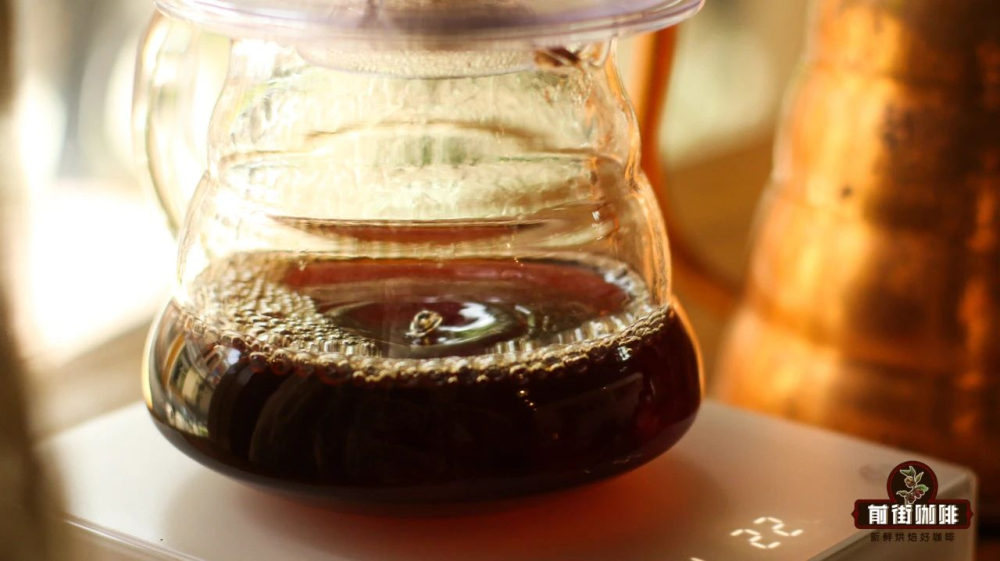
The final flavor profile of a cup of coffee can actually be traced back to these brewing parameters. For example, if you find a particular cup of coffee especially acidic, it’s likely related to the roast level of the beans used—lighter roasted beans usually exhibit more pronounced acidity.
The above content is compiled by CoffeeHunters, a coffee news website.


