







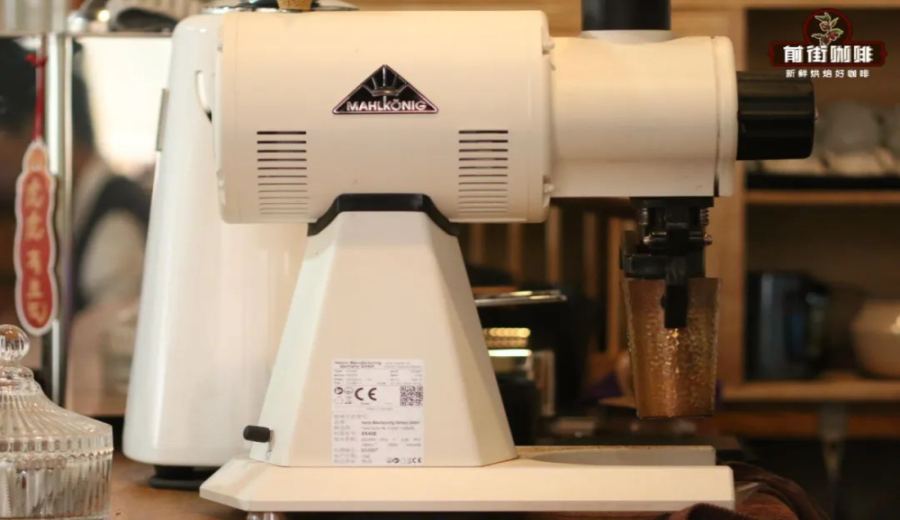
Introduction:Electric grinders have become an essential tool for home pour over coffee brewing, yet many users overlook the importance of proper operation and maintenance. This article delves into practical electric grinder tips, including the pre-grinding cleaning (wash grind) step, the correct timing for dropping beans, as well as daily and deep cleaning methods. These practices will help you maintain flavor consistency in your coffee and extend the lifespan of your grinder.
With the rise of home coffee culture, more and more people are choosing to pair pour over brewing with electric grinders to enjoy the pleasure of freshly ground coffee. However, to fully unlock the potential of an electric grinder, it’s not just a matter of plugging it in and pressing a button. Many detailed operational and maintenance habits directly affect extraction quality and equipment longevity.
Many beginners think that simply putting coffee beans into the bean hopper and starting the grinder is enough to get ideal coffee grounds. In reality, that’s not the case. Without mastering the correct operation procedures and regular maintenance methods, not only can it lead to flavor contamination, but it can also accelerate wear and tear on the parts. Next, we’ll start from practical experience and explain in detail the key points of operating an electric grinder and maintenance advice, suitable for both beginners and experienced users.
First,before officially grinding the coffee beans you intend to brew, it is recommended to perform a “wash grind” procedure. Many users may not notice that after each grind, trace amounts of coffee grounds remain inside the burrs. If these residual grounds are not removed, grinding beans of different roast levels subsequently can easily lead to flavor carryover. For example, if you first grind dark roast beans and then immediately grind light roast beans, the latter may absorb the residual dark roast grounds, resulting in unwanted burnt or bitter notes.
To avoid this issue, it is recommended to pre-grind 3 to 4 beans of the same type before the actual grind. The purpose is to clear out any residual grounds left from the previous grind cycle. Though this step may seem simple, it can effectively maintain the purity of flavor in each cup of coffee.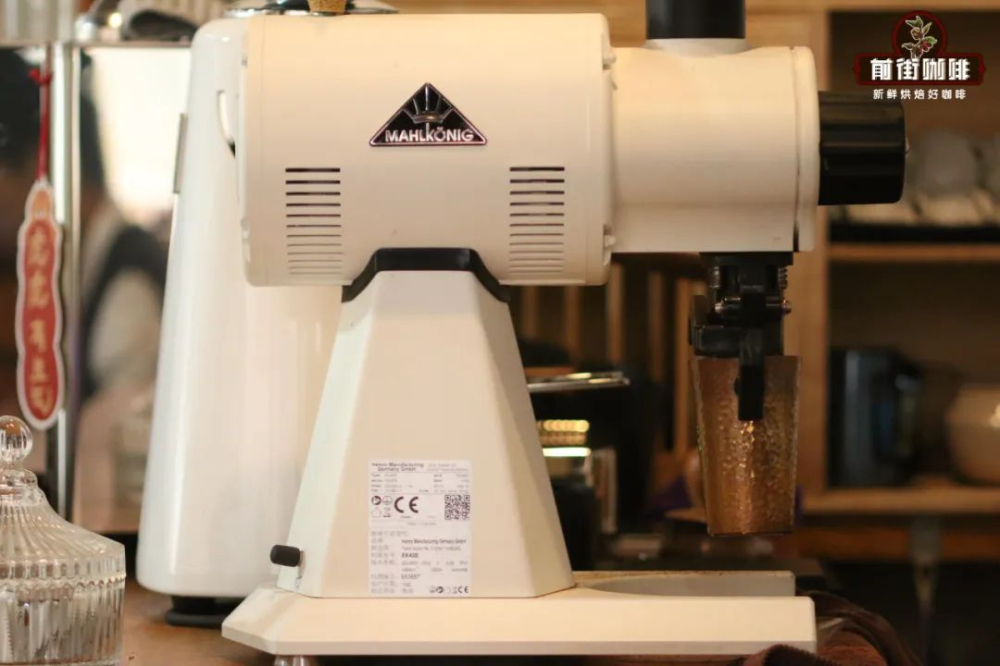
Secondly, regarding the timing of dropping beans, many users have the habit of placing the beans into the bean inlet first and then starting the grinder. However, this order of operations may damage the burrs. When the grinder is started, it takes about 0.5 to 1 second for the burrs to accelerate from a standstill to a stable rotation speed. If the beans are already placed between the burrs, it may cause bean jamming or increase burr wear. This is especially true for small, low-power home electric grinders, where such situations can more easily lead to mechanical failure.
Therefore,the correct procedure is to: first start the grinder, wait for the burrs to reach a stable rotation speed, and then add the coffee beans into the bean inlet. This not only protects the burrs but also ensures a smoother grinding process.
Finally, let’s talk about the daily and regular maintenance of the grinder. Unlike hand grinders, electric grinders are not easily disassembled, so extra care is needed during cleaning. After each use, it is recommended to use a blow ball to lightly blow out the bean inlet and grounds outlet to remove any residual lightweight coffee powder. This action helps reduce the buildup of residue but is only suitable for non-sticky coffee dust.
For stubborn residue that accumulates on the burrs over long-term use, a deep clean is required.You may consider disassembling the grinder (depending on the model, please confirm whether it is suitable for self-disassembly), carefully removing the burrs, and rinsing them with water. It is particularly important to note that after rinsing the burrs, they must be completely dried before reassembling and using the grinder again to avoid risks of rust or electrical short circuits.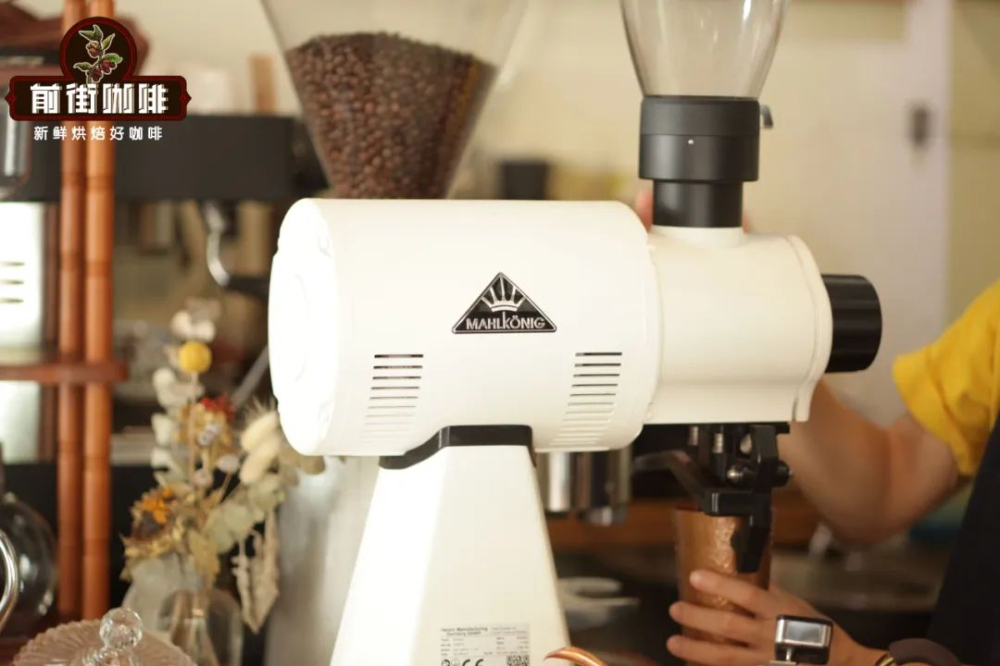
If you are not confident in disassembling and cleaning the grinder yourself, there are also specialized grinder cleaning tablets available on the market. The method involves placing the cleaning tablets into the bean hopper and operating the grinder as usual, allowing the powder from the cleaning tablets to carry away the residual coffee grounds attached to the burrs. It is generally recommended that if you use about 2 to 3 cups per day, a deep clean should be performed every 2 to 3 months to maintain optimal grinding performance and coffee flavor.
In summary, proper operation and regular maintenance not only enhance coffee quality but also extend the lifespan of your electric grinder. Whether you are a beginner or a user who has been grinding for a while, these practical tips can help you enjoy the pleasure of pour over coffee more consistently and confidently.
The above content is compiled by CoffeeHunters, a coffee news website.


