







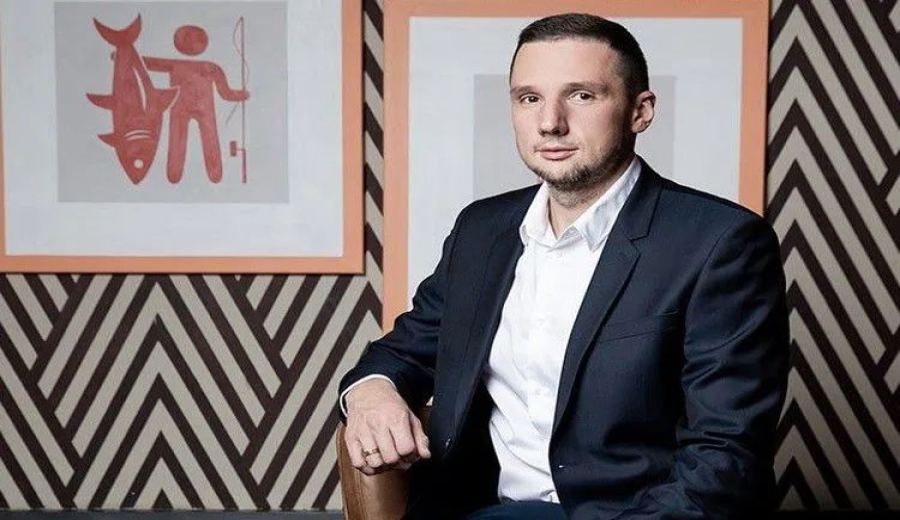
Introduction:After Starbucks withdrew from the Russian market due to the Russia-Ukraine conflict, 130 stores have remained vacant for an extended period. Now, Anton Pinsky, founder of the Russian restaurant group Pinskiy&Co, has announced that he will take over all the lease contracts and launch a new local brand called Magadan Krasnodar. The new brand not only retains the location advantages of Starbucks but also plans to capture the market with localized recipes and efficient delivery services. This article will analyze the details of the deal, the brand strategy, and what changes consumers can expect in the future.
The Russian market has recently seen a major shift in the coffee industry: following Starbucks’ announcement to end its 15-year operation in the country and close all 130 stores, these prime-location outlets are set to be fully taken over by the local restaurant group Pinskiy&Co. The group’s founder, Anton Pinsky, plans to acquire the lease rights for all the stores and launch a new brand, “Магадан Краснодар” (Magadan Krasnodar), with the final signing process expected to be completed by the end of this month.
Going back to March 8 of this year, Starbucks officially terminated its franchise operations in Russia, and its stores immediately ceased operations. Although the total number of stores was not particularly high, the brand's high visibility and the long-standing inability to find a suitable buyer made these outlets a focal point of the market. In early June, some members of the public noticed that certain Starbucks stores briefly reopened to sell discounted clearance items, sparking widespread speculation about the potential new owner.
It wasn’t until early July that internal news within the Russian food and beverage industry revealed that Pinskiy&Co would fully take over the legacy store assets left by Starbucks, including key locations such as the shopping center in Pushkin Park. This move is seen as following the model set after McDonald’s exited Russia: rebranding, adjusting recipes, but retaining the original operational foundation.
Notably, unlike McDonald’s, where the new operator retained some of the previous operational structures, Pinskiy&Co has chosen to create a completely localized coffee brand.It will not use Starbucks’ existing recipes or ingredient supply chains.This means that customers drinking at Magadan Krasnodar in the future will be enjoying entirely re-formulated coffee flavors.
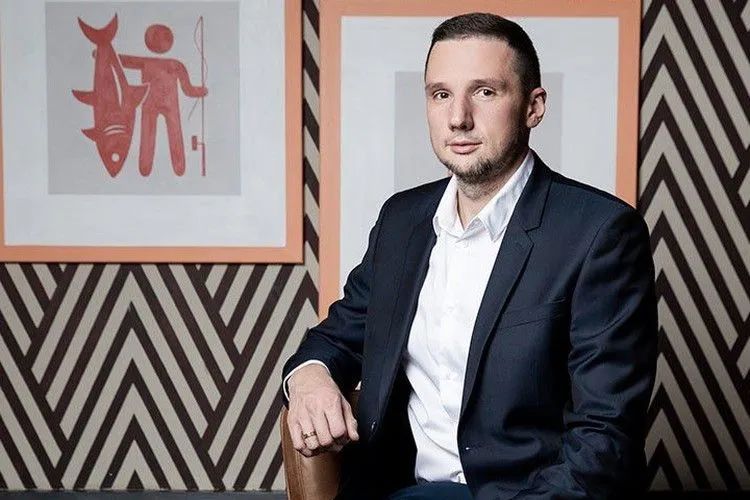
Analysts in the Russian food and beverage market pointed out that Pinskiy&Co already operates a variety of restaurants, covering Russian, French, and light meal coffee cuisine, and it has its own built-in delivery platform. This background allows the company, after taking over Starbucks stories, to quickly adjust its operational model, effectively reduce store costs through long-term lease agreements, and provide more flexible delivery services.This gives it significant competitiveness in the local consumer market.。
Industry observers say that although Starbucks has been relatively expensive, it has always been popular in the Russian market for “quickly and consistently providing coffee of uniform quality.” If the new brand can maintain a similar service efficiency while offering more affordable pricing and convenient delivery, it has the potential to gain an edge in the market and even surpass other foreign brands.
Following the outbreak of the Russia-Ukraine conflict, many international brands have successively exited the Russian market, a trend viewed by many local analysts as an opportunity for the development of domestic enterprises. Compared to foreign brands, which have to pay high franchise fees, domestic brands have greater flexibility in operating costs and product adjustments, allowing them to respond more quickly to market demands.
Regarding the actual amount of this transaction, the market estimates it to be in the range of 16 to 30 billion rubles, but considering fluctuations in the ruble exchange rate, the actual transaction price may drop further to around 7 billion rubles. Regardless of the final figure, this deal marks a new stage for the Russian coffee market and brings more diverse and localized choices for consumers.
The above content is compiled by CoffeeHunters, a coffee news website.


