







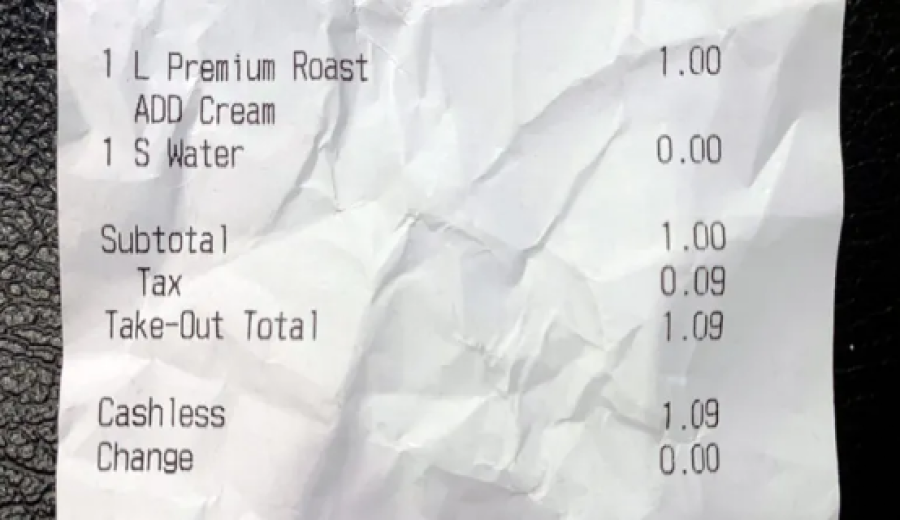
Introduction:Amid intensifying global inflationary pressures, the coffee industry is grappling with across-the-board increases in raw material, transportation, and labor costs, leading to successive price hikes in coffee sales across many regions. Yet, McDonald’s in the United States remains committed to its $1 coffee policy, available in any size, prompting curiosity: how long can this pricing strategy hold? This article will delve into the underlying cost structure, market strategy, and explore whether McDonald’s can sustain this popular consumer benefit amid challenges such as Brazil’s drought, surging diesel prices, and wage adjustments.
Facing continuously rising global inflation, the coffee industry is under pressure from increased costs in raw material procurement, transportation, and labor, forcing many coffee shops to raise prices to stay operational. However, McDonald’s in the U.S. has gone against the trend by continuing to offer $1 coffee without limiting the cup size—a policy that stands out starkly in today’s soaring price environment and raises the question: how much longer can this pricing last?
McDonald’s $1 coffee includes all cup sizes, both hot and iced, all made from quality roasted beans. Despite the highly attractive price, the ongoing rises in labor, logistics, and coffee bean costs pose significant profitability pressures for the long-term sustainability of this offer. Many customers opt for the largest size to maximize value, further adding to cost burdens.
In reality, McDonald’s low-price coffee strategy is often bundled with other food items—through breakfast combos or promotions for additional purchases—to boost the overall spending per customer and offset losses on individual items. However, as various costs continue to climb, it remains to be seen whether this approach can sustain long-term losses.
Among the many cost factors, rising transportation costs are particularly notable. U.S. logistics and transport rely heavily on diesel-powered trucks, and diesel prices have skyrocketedby about 50%over the past year, placing heavy pressure on the entire supply chain—a reality that chains like McDonald’s must confront.
Fluctuations in coffee bean prices also have far-reaching impacts. Since the outbreak of the pandemic, international coffee market prices have repeatedly hit record highs, largely due to reduced output in major producing regions.Brazil, the world’s largest producer of Arabica coffee, has recently experienced more severe drought conditions in its coffee-growing areas compared to the same period in 2021, threatening not only the current year’s yield but potentially also affecting harvests in the following year, thereby driving up global coffee bean prices.
Beyond raw materials and transportation, labor costs are another major challenge for McDonald’s. Currently, some store employees earn an hourly wage of only around $13, and McDonald’s plans to raise the minimum hourly wage at most locations to $15 by 2024. With the U.S. Consumer Price Index peaking at9.1%in June 2022, the pressure to increase wages has become an issue operators can no longer ignore.
McDonald’s $1 coffee policy is not implemented globally in the same way. For instance, in Canada, McDonald’s once offered a C$1 coffee promotion, which was temporarily canceled due to cost concerns before being reinstated in February 2022—but only for medium-sized coffee and as a limited-time offer. This shows that even in the North American market, the strategy must be flexibly adjusted according to local economic conditions.
Globally, retail coffee prices in many countries have gradually increased with inflation to reflect the rising costs of oil, energy, and labor. To maintain operations, chained brands have also gradually passed some of these pressures on to consumers. Against this backdrop, whether McDonald’s can continue offering $1 coffee has become one of the key indicators of inflation’s impact on the fast-food industry.
How much longer can McDonald’s $1 coffee offer in the U.S. last? In the face of soaring raw material costs, rising transportation and labor expenses, this beloved consumer perk is facing unprecedented challenges.
The above content is compiled by CoffeeHunters, a coffee news website.


