







Introduction:When oat milk meets Taiwanese oolong, and osmanthus flavor appears in both lattes and milk teas, the boundaries between beverages are gradually blurring. The latest blind taste test research shows that nearly half of consumers struggle to distinguish between coffee and milk tea when their flavors are similar. This article delves into the reasons behind the "coffee milk-tea-fication" trend, exploring localization adjustments, the preferences of younger demographics, and the migration of taste memory, to reveal the true face of this flavor revolution.
Nowadays, walking into any modern beverage shop often leaves you spoiled for choice. Stores that once specialized in bubble tea now offer thick milk drinks with fermented glutinous rice, while so-called specialty coffee shops are no longer confined to traditional espresso-based recipes, instead launching innovative drinks infused with the aroma of osmanthus. This cross-boundary fusion phenomenon reflects the intense competition in the beverage market.
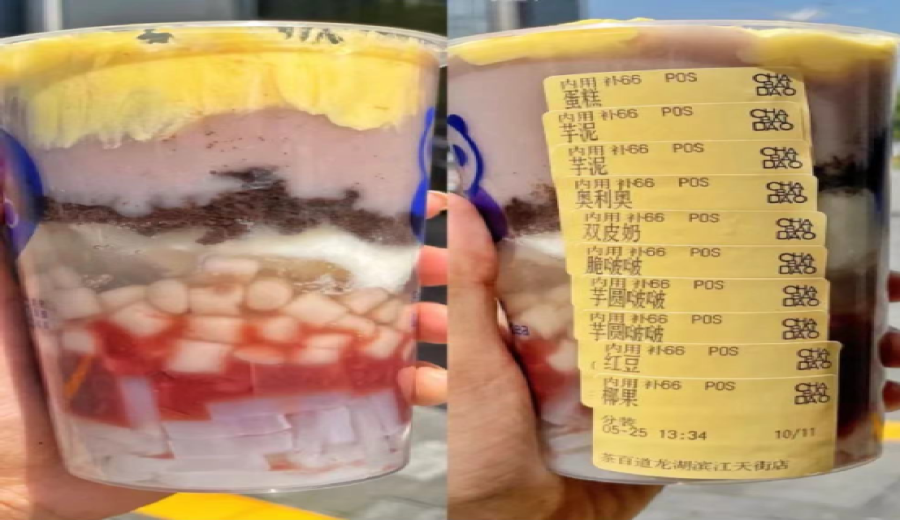
Observing popular drinks on the market reveals a clear trend: pure tea series offered by milk tea shops are often paired with rich toppings, from milk foam, tapioca pearls, to specially made agar jelly, resulting in a final product that resembles a delicate Eight Treasures Porridge.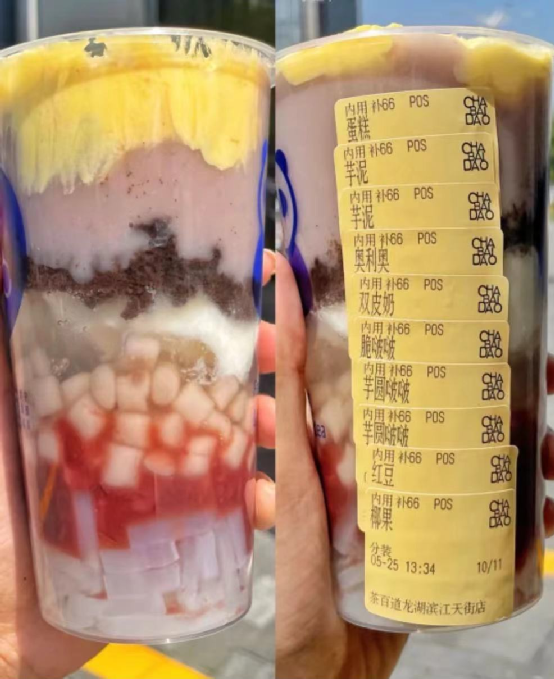 Similarly, the options at coffee shops have become increasingly diverse. Beyond the traditional Americano and latte, it's now common to see creative combinations with elements like oat milk, osmanthus syrup, and fermented glutinous rice dumplings. These formulations significantly reduce the strong bitterness of coffee, making the overall flavor curve closer to the familiar experience of milk tea.
To verify consumers' ability to discern flavors, an online science community organized a rigorous blind taste test experiment. Researchers carefully selected three sets of drink combinations with similar flavor profiles—coconut-flavored milk tea and coffee, a sakura flavor control group, and an osmanthus fragrance version. Participants were asked to evaluate the drinks from three dimensions—flavor layers, texture, and topping characteristics—without knowing the true identity of the beverages.
The results were surprising: in the valid questionnaires collected, nearly 50% of participants were unable to correctly distinguish between coffee and milk tea. Many respondents noted that after special formulation, the taste characteristics of the drinks were no longer easily categorized by traditional standards. Online discussion forums also saw a flood of responses, with many netizens sharing their own experiences, admitting that the complex flavor profiles of modern drinks often cause confusion.
To understand the formation of this trend, multiple dimensions must be analyzed. First, tea culture in China has a deep-rooted history of over a thousand years. In contrast, coffee, as an imported beverage, is gradually becoming more popular, but its characteristic strong bitterness still requires an adaptation period. To accelerate market acceptance, many brands have adjusted their formulations through localization strategies—such as using oat milk to reduce acidity, adding osmanthus syrup for fragrance, or mixing in fermented glutinous rice to create a mellow taste.
 Consumer psychology also plays a key role. Market research shows that brands like Luckin Coffee have successfully used co-branding marketing strategies, signing contracts with well-known athletes and esports teams, effectively closing the gap with younger audiences. In addition, limited-edition and seasonal specials not only generate buzz but also evoke collective memories of childhood milk tea moments—many office workers admit that coffee breaks at work somewhat recreate the warm experience of sharing drinks with peers during school days.
This cross-boundary fusion trend is also reflected in innovative recipes. From turtle jelly and goji latte to tofu pudding-flavored specials, and even coffee infused with fermented glutinous rice balls, modern bartenders continuously challenge traditional boundaries. Notably, in these creative combinations, coffee often takes a backseat, with toppings becoming the focus of the flavor experience. While this shift has sparked discussions among purists, it has also successfully expanded the audience for coffee beverages, encouraging more people to try what they might have otherwise avoided—like black coffee or espresso.
The above content is compiled by CoffeeHunters, a coffee news website.


