







Introduction:With frequent reports of food safety issues and health concerns in new tea beverage brands, an increasing number of young people are choosing to make coffee and milk tea at home. This article analyzes the underlying reasons behind this DIY beverage trend, including food safety concerns, health trends, social media influence, and how simple tools and ingredients can be used to create high-flavor homemade drinks. It also explores the impact of this trend on the traditional coffee and tea beverage market.
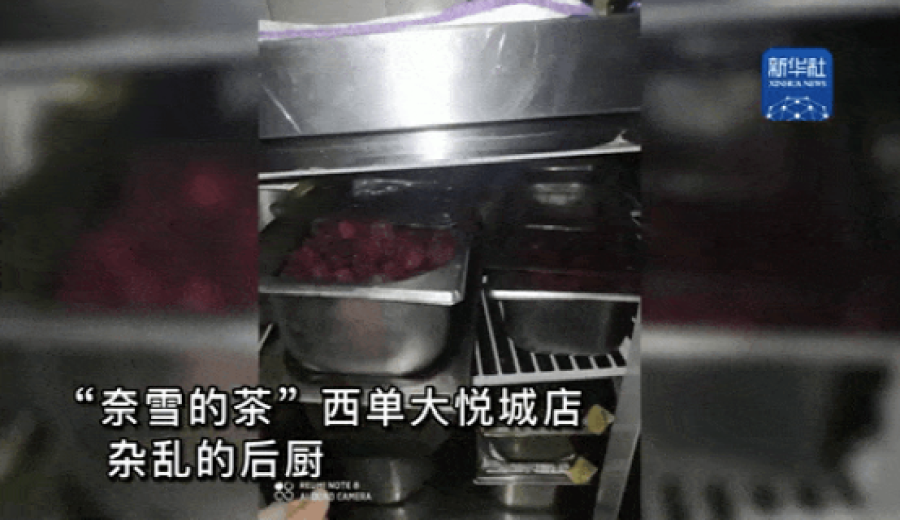
In recent years, tea and coffee brands have gone public one after another, but behind the seemingly prosperous market lie hidden concerns. As the new tea beverage industry rapidly expands, food safety incidents have occurred frequently — from Nayuki’s Tea being exposed for poor kitchen hygiene to Guming Milk Tea being caught using expired ingredients, not to mention the constant news of consumers finding foreign objects such as cockroaches and spiders in their drinks. These incidents have led many young consumers to re-evaluate the hygiene and safety of purchased beverages.
At the same time, the trend of making coffee and milk tea at home is gaining momentum globally, especially among young people in Asia. Through online platforms such as social media and short video sites, a wealth of DIY beverage tutorials has spread rapidly, enabling people to easily learn how to replicate their favorite drinks at home, such as the once wildly popular Luckin’s Raw Coconut Latte. This trend not only satisfies the pursuit of flavor but also represents a form of self-regulation regarding health and quality.
Observations show that making beverages at home has become one of the top trending keywords online. On the Xiaohongshu platform, notes related to “homemade beverages” have accumulated to over 1.31 million, while on Weibo, the topic “homemade beverages” has surpassed 100 million views. This indicates that the DIY beverage culture is rapidly spreading and becoming a new lifestyle trend for the younger generation.
After the pandemic, public awareness of health has significantly increased, and beverage choices have shifted toward low-sugar, low-fat, and natural ingredients. Many consumers have found that commercially sold milk tea and coffee drinks often contain excessive sugar, trans fats, and even unlisted additives. Long-term consumption may lead to health issues such as gout and hypertension, with severe cases requiring medical treatment. As a result, DIY beverage preparation has become a safer and more controllable option.
The appeal of DIY beverages lies not only in health and safety but also in their low barrier to entry and high sense of accomplishment. Many homemade beverages only require basic equipment such as pour over kettles, French presses, or home milk frothers, paired with easily accessible coffee beans, milk, coconut milk, and juices, allowing people to recreate the flavors of premium drinks at home. For example, using plant-based milk brands like Fino, which offer consistent quality, can easily replicate the rich taste of commercial raw coconut lattes, making it a top choice for many beginners.
The rise of social media has also fueled this trend. Numerous beverage bloggers share their DIY processes daily, from bean selection and grinding to extraction and latte art — every step attracting a large following. They not only share techniques but also indirectly promote high-quality ingredients and tools, such as recommended grind sizes for pour over coffee (usually medium-coarse, about the size of white sugar granules), optimal water temperature ranges (suggested to be between 88°C and 92°C to preserve flavor), and practical tips on how to froth fine milk foam.
Additionally, this DIY beverage trend poses a challenge to the traditional coffee and tea beverage markets. More and more consumers are opting to enjoy personalized flavors at home instead of paying high premiums for branded drinks. While brands have tried launching instant packs or retail kits, it’s difficult to shake consumers’ preference for “making it themselves.” For brands like HEYTEA and Luckin, finding the right balance between quality, price, and innovation will be a key challenge in the future.
In summary, the shift among young people toward making coffee and milk tea at home is driven not just by food safety and health concerns, but also by a desire for autonomy, individuality, and a refined lifestyle. This trend is expected to continue developing and will further influence the future direction of the beverage market, offering consumers more diverse and healthier options.
The above content is compiled by CoffeeHunters, a coffee news website.


