







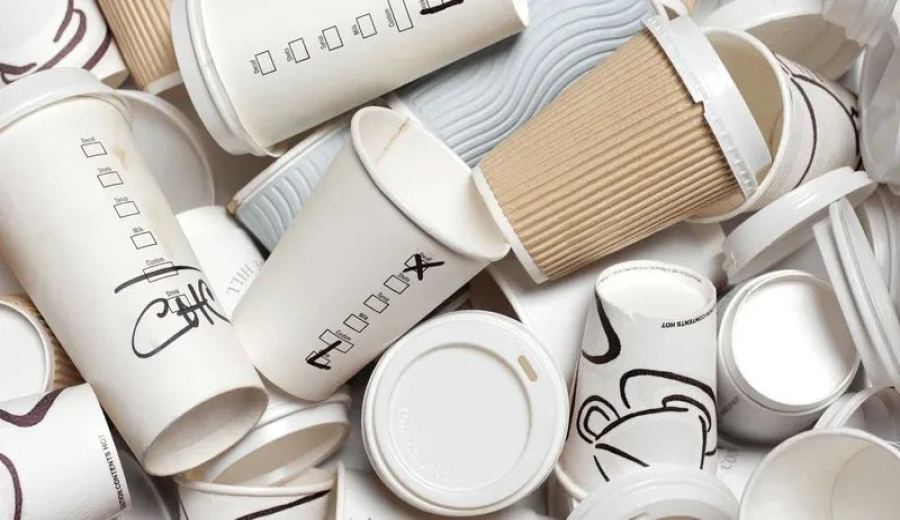
Introduction:Ireland is set to become the world’s first country to impose a tax on single-use takeaway coffee cups, with a minimum surcharge of 20 euro cents per cup. Dubbed the “latte levy,” this policy builds on the success of the 2002 plastic bag tax and aims to phase out disposable packaging gradually. This article delves into the circular economy strategy behind the tax, the reasons behind public backlash, and the practical details of implementation, helping readers understand the full scope of the policy and future trends.
Amid the global push to reduce plastic waste, Ireland is advancing a major environmental initiative — imposing aneconomic interventionon single-use takeaway coffee cups. According to the newly passed 2022 Circular Economy and Miscellaneous Provisions Act, a mandatory fee of at least 20 euro cents will be added to every takeaway coffee sold, with implementation expected by the end of this year. Dubbed the “latte tax” by the media, this move marks a significant step toward Ireland’s goal of achieving “zero single-use coffee cups.”
The bill was officially signed by Irish President Michael D. Higgins on July 22. Its core objective is not merely to increase costs for consumers but to guide behavioral change through pricing mechanisms. Specifically, customers can still use the free disposable cups provided when consuming coffee in cafés, but an additional fee will apply when opting for takeaway. Bringing your own reusable container will exempt you from the charge entirely. Notably, the policy may eventually expand to include all types of takeout food packaging.
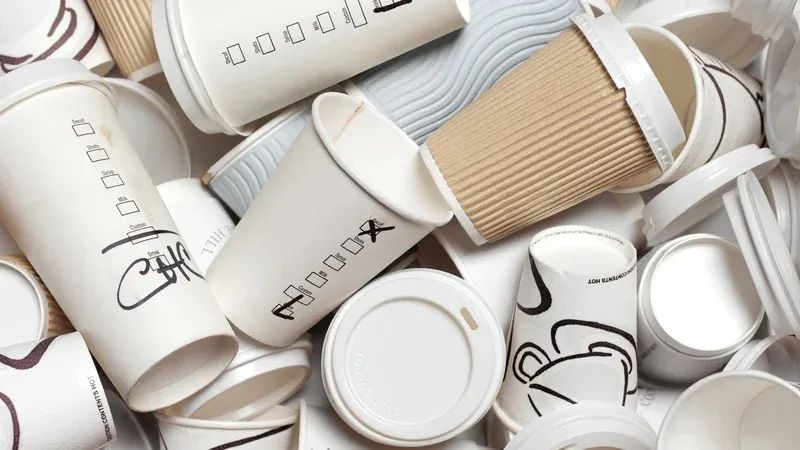
Looking back, Ireland successfully reduced plastic bag usage in 2002 using a similar strategy. At that time, a 15-cent environmental tax per plastic bag led to a 95% drop in usage by 2007 after the tax was raised to 22 cents. The introduction of the “latte tax” follows the same logic, aiming to replicate the remarkable success of the plastic bag tax.
According to official data, Ireland generates approximately 200 million single-use coffee cups annually, equivalent to 22,000 cups consumed per hour. Although these paper cups appear recyclable, they are often non-recyclable due to the polyethylene waterproof lining on the inside. Even if the cup is labeled “Recycled,” only the plastic-free paper sleeves are eligible for recycling. After years of advocacy by environmental groups, the government has finally included coffee cups in the taxation scope.
The new policy will be rolled out in phases: this autumn, a 90-day public consultation on the Draft Single-Use Paper Cup Tax Regulations will begin, followed by formal legislation by the end of the year once details are confirmed. Irish Minister of State for Public Expenditure and Reform Ossian Smyth emphasized in a radio interview that the tax will not be limited to coffee cups — “any hard-to-recycle food packaging could be a future target” — but the priority for now is to tackle the most widely used item: coffee cups.
Despite its well-intentioned premise, polls show that around 63% of Irish people oppose a ban on takeaway coffee cups. Key concerns include the financial burden on living costs (especially with ongoing price increases post-pandemic) and the belief that truly recyclable or compostable packaging materials should be treated differently. Notably, a 20-cent fee represents 10–15% of the price of a typical coffee drink, which can add up significantly for daily commuters who regularly purchase takeaway coffee.
In practice, coffee shops will need to adjust their point-of-sale systems to distinguish between dine-in and takeaway orders and clearly display discounts for customers who bring their own cups. Consumers are encouraged to opt for stainless steel tumblers, glass bottles, or certified compostable containers, with some shops even offering extra discounts for those who bring their own. The success of the policy will depend on the convenience of supporting measures and the widespread availability of alternative options.
The above content is compiled by CoffeeHunters, a coffee news website.


