







Introduction:When coffee meets alcohol, beyond the classic Irish coffee, younger generations are increasingly drawn to creative cocktail-style coffees with an intoxicating twist. This article delves into the origins of alcohol-infused coffee, the challenges of crafting it, and the secrets to flavor design, exploring how it breaks free from time constraints to become a trendy beverage enjoyable even during the day. It also shares how professional baristas balance acidity, sweetness, bitterness, and the body of alcohol when blending, elevating the overall complexity, and takes you behind the expertise and creativity driving this trend.
Creative beverages that combine fine wine and coffee have long transcended the traditional boundaries of Irish coffee or espresso martinis. In recent years, as younger demographics pursue the experience of a “light buzz,” alcohol-infused coffee has gradually risen as a highlight on café menus. These drinks are not just about adding alcohol; they retain the essence of coffee’s original flavors while using professional blending techniques to deliver a richer sensory experience.
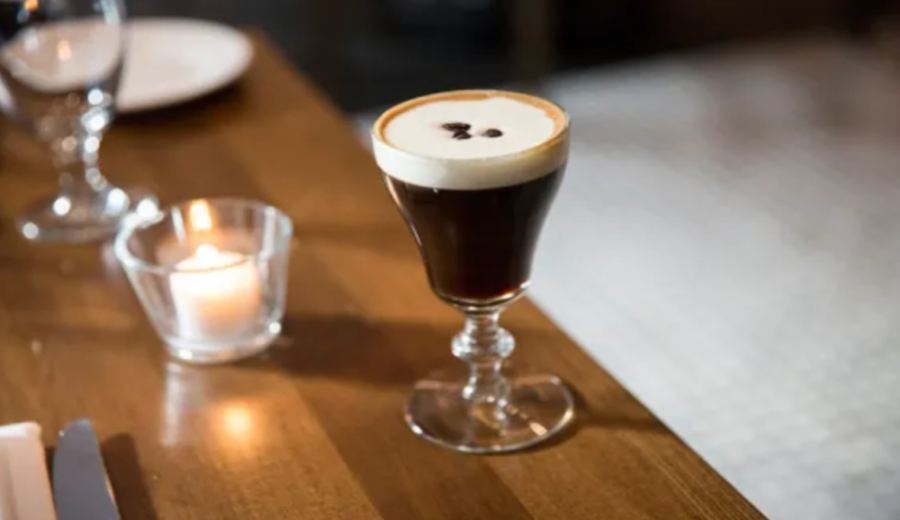
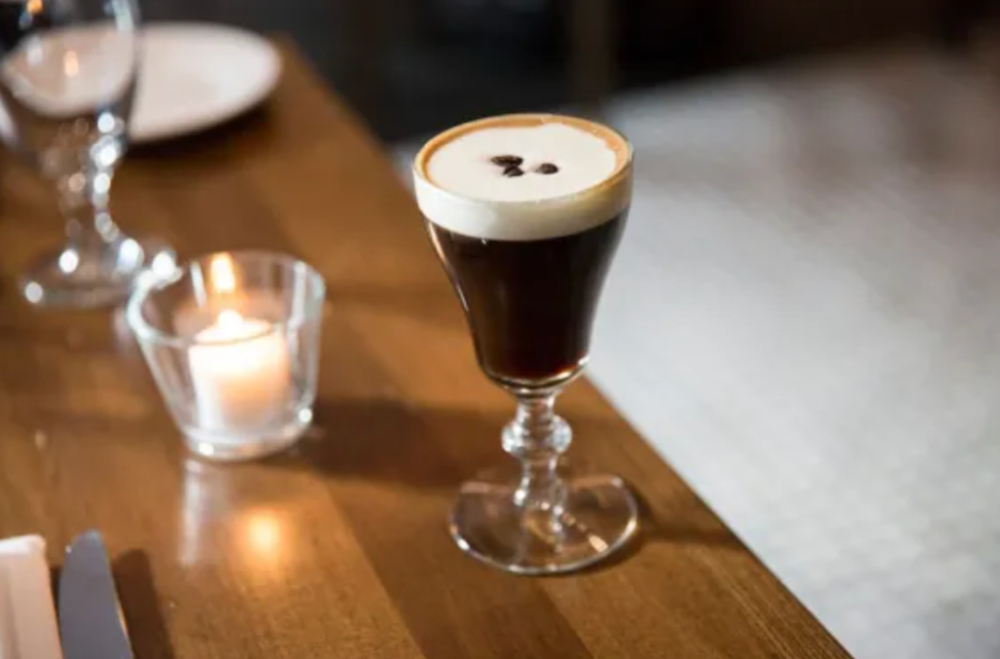
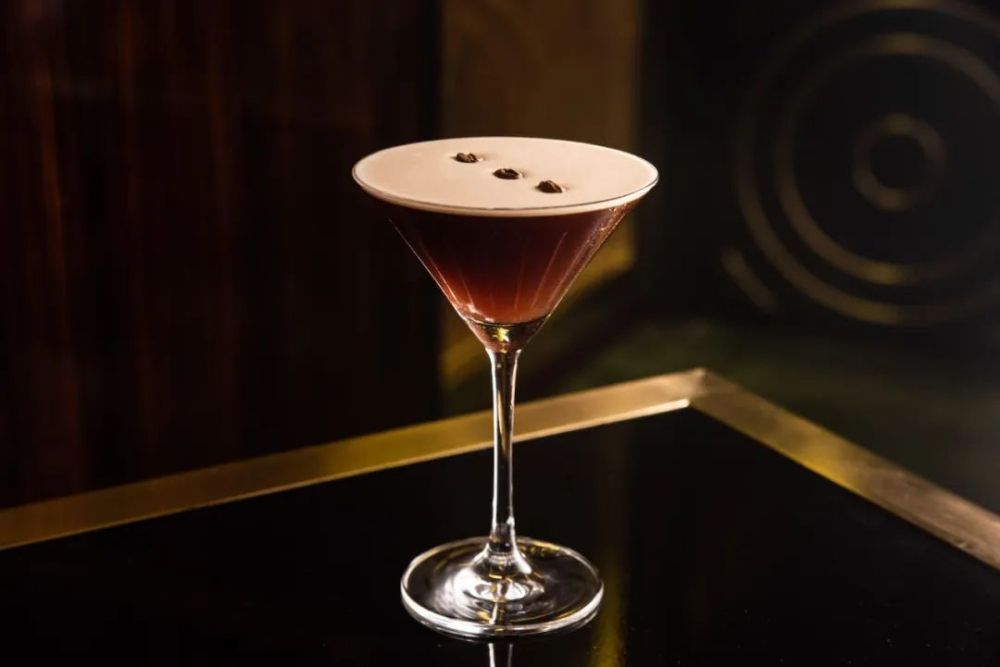
Speaking of the relationship between alcohol and coffee, as early as the 1940s, Irish coffee had already taken the world by storm. This classic combines hot coffee, spirits, and fresh cream, using the caramelized aroma from burning sugar to skillfully balance the intensity of alcohol with the richness of coffee. However, the strong flavors of spirits can often overshadow the delicate aromas of coffee, prompting mixologists to seek new combinations. The espresso martini is one such example, built on an espresso base with vodka and liqueur, creating a complex yet harmonious taste that allows the layers of coffee to fully unfold in the mouth.
The biggest difference between alcohol-infused coffee and regular specialty coffee lies in the greater challenge posed by the introduction of alcohol. Specialty coffee itself boasts delicate and varied flavors, and adding a base spirit that is too strong can easily mask the coffee’s original characteristics. Therefore, when making alcohol-infused coffee, **the proportion of the base spirit is generally kept secondary to the overall flavor profile**, aiming to complement rather than dominate. Additionally, coffee and alcohol share three core taste elements—acidity, sweetness, and bitterness—but they manifest at different stages. How to ensure these flavors are released in sequence across the “front, middle, and back” of the drink is a key focus for professional bartenders.
World-class baristas have pointed out that to preserve the original characteristics of coffee even when alcohol is added, sometimes the extraction method needs to be adjusted—for example, deliberately extracting overly strong or weak coffee liquor to highlight certain specific flavors. Such techniques not only test skill but also require a deep understanding of both the coffee bean characteristics and the flavor profile of the alcohol. Moreover, to achieve a balance of acidity, sweetness, and bitterness, it’s often necessary to choose alcoholic beverages that complement the flavors of the coffee, such as liqueurs with fruity or spicy notes that can more seamlessly blend with the coffee.
Compared to general fruit-flavored specials or high-alcohol cocktails, alcohol-infused coffee presents even greater challenges in production. It not only requires the mixologist to be familiar with the individual flavor profiles of each ingredient but also demands the ability to flexibly manipulate aroma, sweetness, and bitterness to ensure the final drink is not only rich in layers but also retains the inherent body of coffee. Therefore, when crafting alcohol-infused coffee, **every step—from bean selection and spirit choice to fine-tuning the blending ratios—requires careful evaluation and taste testing** to create a masterpiece that combines the refinement of coffee with the light intoxication of alcohol.
In today’s market, the reason why alcohol-infused coffee can attract more and more daytime consumers lies in the unique appeal of the “light buzz” state. Unlike full drunkenness, a light buzz brings relaxation and pleasure without causing discomfort the next day, striking an excellent balance between sobriety and ease. Many young people seek a light buzz for reasons including stress relief, reducing social pressure, and stimulating creativity and mental flow under the influence of mild alcohol. For this reason, alcohol-infused coffee is no longer limited to nighttime—it has become a daytime attraction as well.
Innovative examples abound in the market, such as the once-popular “convenience store cocktails,” which involved adding small bottles of alcohol to milk coffee or milk tea—simple yet fun. Recently, well-known brands have also launched limited-edition drinks combining fruit coffee and light intoxication elements, such as strawberry lattes with Baileys, successfully attracting consumers who enjoy fruity and mildly sweet alcohol profiles. Such drinks not only enhance the ritualistic feel of the consumption experience but also expand the possibilities of combining coffee and alcohol, expected to continue leading future market trends.
However, it’s worth noting that alcohol-containing coffee beverages are still alcoholic products. Consumers should consume them in moderation according to their own health conditions and strictly adhere to the basic principles of “no driving after drinking” and “no alcohol for minors” to ensure safety and health.
The above content is compiled by CoffeeHunters, a coffee news website.


