








Introduction:Caffeine is not only a key component that helps humans stay alert, but it also has profound effects on other animals. From the abnormal web-spinning patterns of spiders to enhanced pollination behavior in bees, and even doping controversies in horse racing, this article delves into the physiological effects and risks of caffeine across different species. Understanding these scientific findings can help you gain a more comprehensive view of caffeine’s complex role in nature.
As the most widely consumed psychoactive substance in the world, caffeine has stimulating and focus-enhancing effects on humans. However, its impact on other animals varies greatly — from lethal toxicity to performance enhancement. This article will explore the diverse effects of caffeine on various animals, including both invertebrates and vertebrates, revealing the underlying scientific principles and real-world examples.
As early as the late 1940s, Swiss pharmacologist Peter N. Witt conducted a series of drug experiments on spiders to observe how different substances affect their web-building patterns. In the experiments, when spiders ingested 10 micrograms of caffeine, the webs they spun remained roughly circular in shape, but were smaller in size with uneven radius distribution. When the dose was increased to 100 micrograms, the web shapes became noticeably distorted, with highly irregular structures. In 1995, a research team at NASA repeated the experiment and obtained similar results.
Spiders are invertebrates with relatively simple nervous systems and very low tolerance to caffeine. Studies have shown that caffeine may interfere with the activity of certain key enzymes in their neural transmission processes, leading to abnormal behavior and physiological functions. Moreover, scientists once fed common moth larvae with strong tea and coffee, and all the larvae died within 24 hours. Subsequent control experiments using purified caffeine confirmed that caffeine was the direct cause of death.
Mosquitoes, also invertebrates, are extremely sensitive to caffeine. Research has found that when mosquito larvae ingest high doses of caffeine, they exhibit symptoms of movement disorder, are unable to swim properly to the water surface to breathe, and ultimately drown due to lack of oxygen. These examples show that for species with simpler nervous systems, caffeine can be lethally toxic.
As for vertebrates, although their physiological structures are more complex, caffeine can still trigger serious physiological reactions. Many pet owners know that they should prevent their cats and dogs from coming into contact with coffee, as these animals have very limited ability to metabolize caffeine. Once ingested, it can cause a sharp increase in heart rate and respiratory frequency, and may even lead to poisoning and death. This is because caffeine is not easily broken down in their bodies and can accumulate to dangerous concentrations.
Interestingly, not all animals react negatively to caffeine. In the world of horse racing, caffeine was once used as a performance-enhancing “stimulant.” Studies have shown that after ingesting caffeine, horses experience a significant increase in heart rate, along with improved endurance, jumping ability, and speed, as well as delayed onset of fatigue. For this reason, international horse racing organizations have classified caffeine as a banned substance in competitions to ensure fairness.
Surprisingly, bees, another type of invertebrate, can actually benefit from caffeine. According to a 2021 report in the UK’s The Guardian, citing research from the Natural Resources Institute at the University of Greenwich in London, bees that consume trace amounts of caffeine show significantly improved memory and flower-visiting behavior for specific plants, thereby enhancing pollination efficiency. This effect helps bees collect nectar and pollen more efficiently, which has a positive impact on plant reproduction in ecosystems.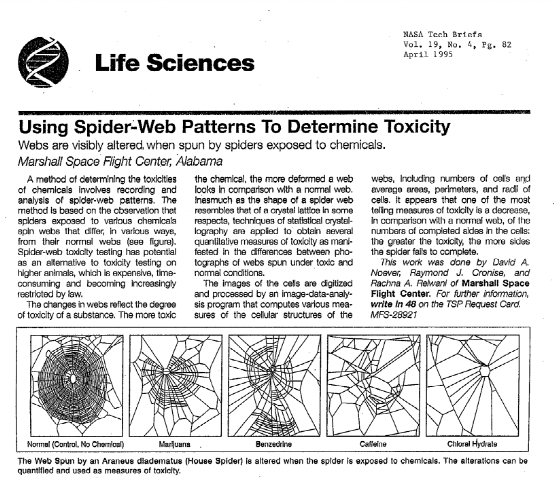
Across various species, the reactions triggered by caffeine can vary dramatically. Humans, thanks to their unique metabolic mechanisms and neural structures, can safely enjoy the stimulating effects of caffeine. But for many animals, this compound may pose fatal risks or cause unexpected behavioral changes. The scientific community continues to explore the mechanisms of caffeine’s action within organisms, especially the differences in responses across species, with many unknowns yet to be uncovered.
Coffee has become one of the most popular beverages in the world, not only due to cultural and historical factors, but also because of the unique physiological effects produced by its various chemical components. Understanding the impact of caffeine on different organisms not only broadens our knowledge of this everyday substance, but also reminds us to treat the life around us with greater care as we coexist with nature.
The above content is compiled by CoffeeHunters, a coffee news website.


