







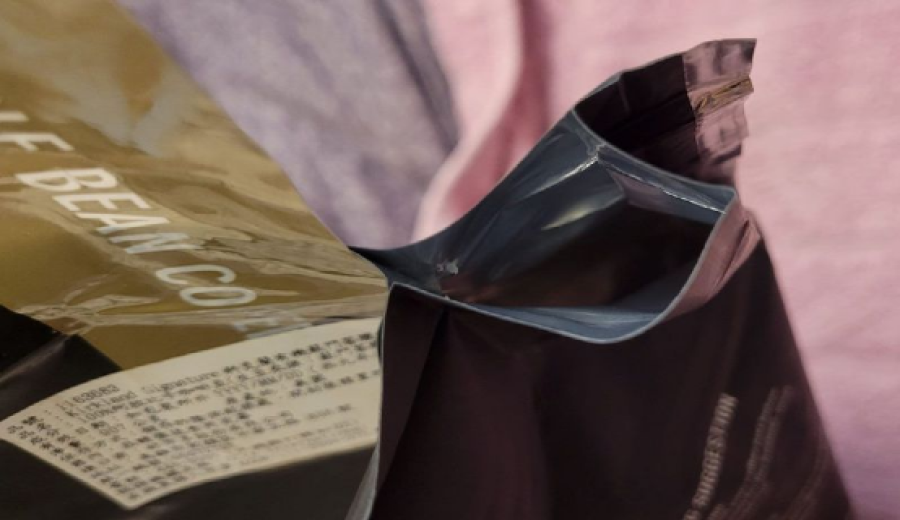
Introduction:A while back, Costco Taiwan issued a recall for certain organic Sumatra coffee beans due to improperly sealed packaging—even with visible holes. In fact, this issue wasn’t just about poor sealing; it may also have been related to design flaws in the one-way degassing valve. After roasting, coffee beans release a large amount of carbon dioxide. If the gas can't escape properly, internal pressure can build up and potentially force open the packaging. This article delves into how degassing valves work, the risks of coffee bean spoilage, and offers practical storage tips to help you store your beans with peace of mind.
In recent years, more and more coffee enthusiasts have chosen to buy whole beans to grind and brew at home, enjoying the pleasure of pour over coffee. With the growing popularity of home coffee machines, the whole bean coffee market has expanded rapidly. Consumers are no longer limited to buying coffee from cafés but have started brewing their own coffee at home.
However, a recent recall notice from Costco Taiwan has drawn attention. Some organic Sumatra coffee beans were urgently recalled due to incomplete packaging seals. According to consumer feedback, some packages even had obvious holes or failed to close properly. What’s concerning is that this isn’t just a simple packaging defect—it may very well be related to the design of the one-way degassing valve on the packaging.
After roasting, coffee beans continue to release carbon dioxide. If the packaging can’t effectively vent the gas, internal air pressure will gradually increase. When the pressure exceeds what the seal can handle, the packaging may bulge or even develop holes.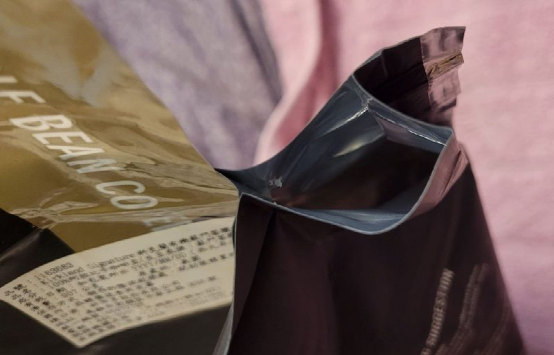
Some users shared that they didn’t notice the issue because they had to peel off the adhesive backing to inspect the seal—and by then, they had already finished the bag. Others found unexplained holes in the packaging and only realized afterward. There were also customers who, after seeing the news, checked their unopened Ethiopian coffee beans and found incomplete seals—fortunately, they hadn’t brewed them yet.
If the carbon dioxide released by coffee beans can’t escape through the one-way degassing valve, internal pressure within the package will rise. Generally speaking, whether the beans are light to medium roast or dark roast, they will continue to produce a significant amount of carbon dioxide in the days following roasting. If the degassing valve is poorly designed—such as having too small an opening or structural defects—it won’t release the gas in time, which can lead to package swelling or even bursting.
So, does this mean the coffee beans have gone bad? Actually, as long as the storage environment is dry and cool, the beans themselves usually won’t mold. But prolonged exposure to air allows flavor compounds to escape along with the carbon dioxide, significantly dulling the coffee’s aroma and taste, leaving it bland.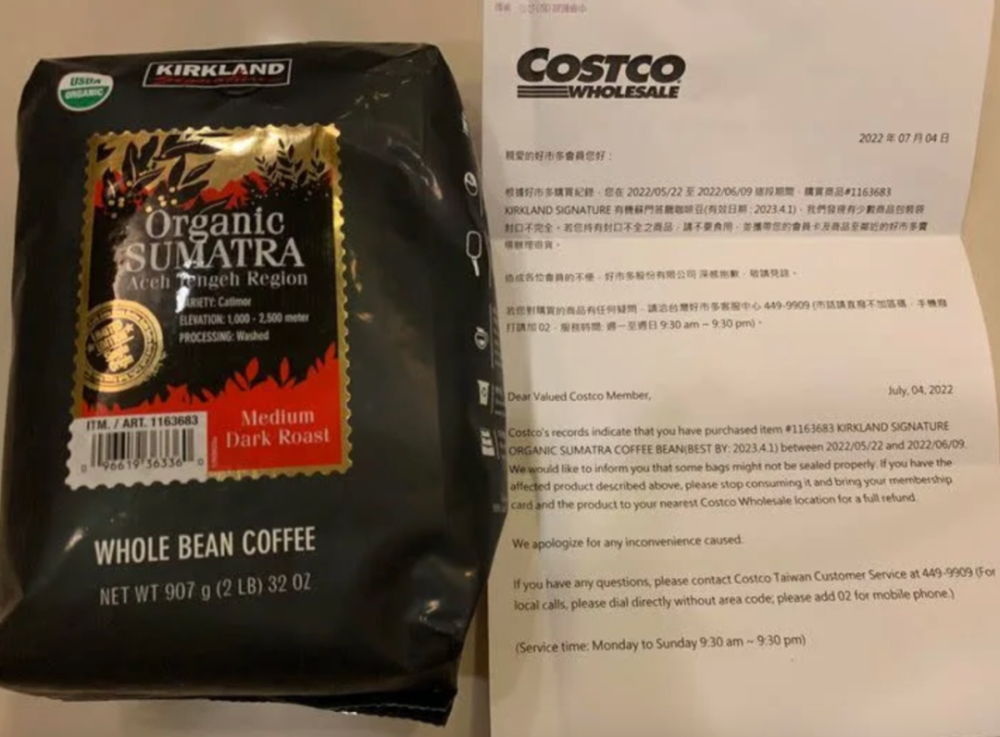
It’s worth noting that even if the packaging has been forced open, retailers are still responsible for offering returns, exchanges, or refunds to consumers. When purchasing coffee beans, it’s wise to get into the habit of inspecting the packaging—especially checking whether the seal is tight and if there’s any obvious damage.
Many coffee lovers tend to buy coffee beans in bulk, sometimes stockpiling more than a month’s supply. The ideal environment for storing coffee beans is dry, cool, and away from light. While the refrigerator is a common storage tool, the large temperature difference between inside and outside can cause condensation when the beans are taken out, leading to moisture absorption and negatively affecting flavor.
Most coffee bean packaging on the market today comes equipped with a one-way degassing valve, which allows excess carbon dioxide inside the bag to escape while preventing external air and moisture from entering. When the packaging remains intact and the beans are stored at room temperature, this helps significantly reduce the risk of moisture exposure. It’s recommended to carefully inspect the condition of each bag of coffee beans upon delivery to ensure there’s no damage or poor sealing.
If you want to maintain the optimal flavor of your coffee beans, the simplest method is to “buy only what you can finish,” avoiding long-term storage that leads to flavor loss. Mastering the right storage methods and selection techniques ensures that every brew delivers a fresh and rich coffee experience.
The above content is compiled by CoffeeHunters, a coffee news website.


