







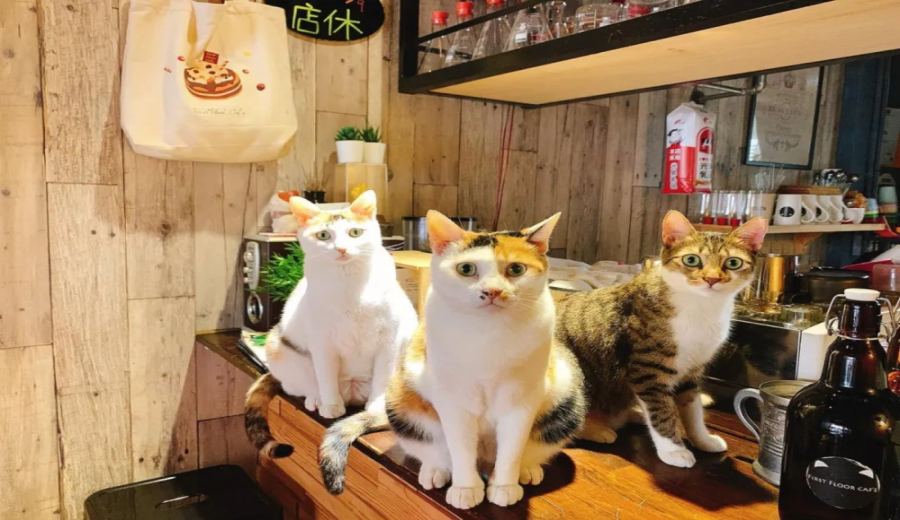
Introduction:Animal-themed cafes have become a global phenomenon in recent years, with owls, raccoons, and other wild animals becoming new favorites. However, the issue of animal welfare behind these establishments has drawn significant attention. From Japan’s petition with 100,000 signatures to South Korea’s complete ban, how do such cafes affect the physical and mental well-being of animals? This article delves into the real conditions faced by both wild and pet animals in cafe environments, helping consumers make more responsible choices.
In recent years, themed cafes featuring animals have rapidly gained popularity worldwide. Beyond common cats and dogs, there are also mini pigs, call ducks, and even wild animals such as meerkats, ferrets, owls, and raccoons. While these cafes attract a large number of young consumers, they have also sparked strong criticism from animal welfare groups. Many animals are subjected to high-stress environments, disrupted routines, and constant human interference, putting their physical and mental health at risk.
Looking back at its origins, the world’s first animal-themed cafe was established in 2004 in Osaka, Japan — a cat café. Cultural anthropologists have pointed out that interacting with animals can provide certain psychological stress relief effects, especially in the busy urban lifestyle. However, this trend gradually became distorted, with many businesses bringing in more wild animals to attract customers, while neglecting their natural behaviors and needs.
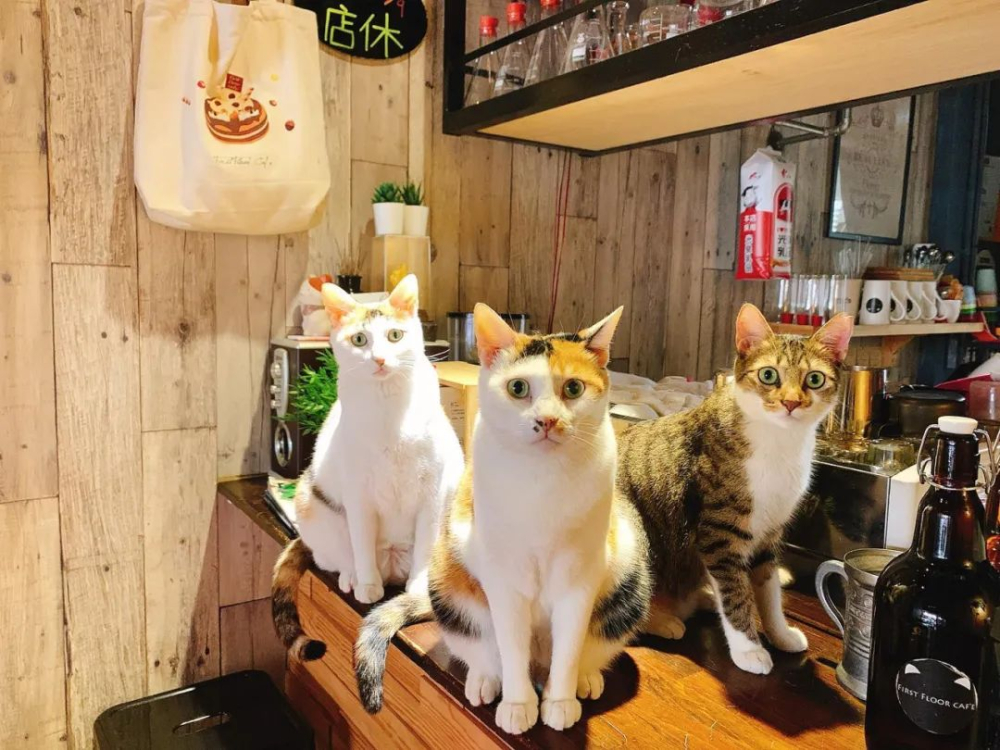
Take cats as an example. Adult cats need 12 to 14 hours of sleep per day, while kittens and senior cats may require up to 20 hours. Yet, typical cat cafes operate for 8 to 12 hours a day, during which customers continuously come and go, petting and playing with the cats, severely disrupting their rest. Sleep deprivation not only weakens their immune system but may also lead to emotional instability in cats and increase the risk of scratching and biting. In addition, some cafes, in order to create a “friendly” image, feed the cats irregularly, which increases the likelihood of digestive issues.
Another controversial example is owl-themed cafes. These have gained popularity in Japan, South Korea, and Thailand in recent years, but many of the owls are either illegally smuggled or of unknown origin, and most are nocturnal animals.They are supposed to rest during the day, yet they are forced to interact with customers in confined spaces, unable to sleep or exhibit natural behaviors.The “well-behaved and quiet” demeanor that customers observe is often a stiff reaction caused by fear. Being tethered for long periods or forcibly petted not only leads to foot injuries but can also trigger acute stress responses, even resulting in death.
Wild animals such as raccoons, meerkats, and hedgehogs are equally unsuited to being exposed for long periods to noisy, brightly changing indoor environments. Shy by nature, they are often forced to perform or engage in close contact with customers, leading to chronic stress buildup that affects their health and lifespan. Many consumers mistakenly believe that when animals appear “affectionate,” it means they enjoy the interaction, unaware that it may actually be a sign of fearful compliance.
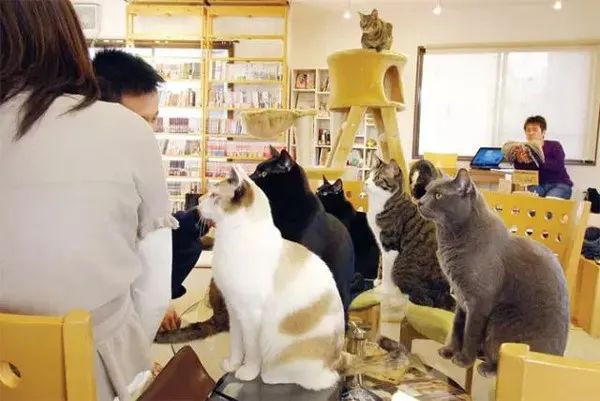
Japanese animal rights groups once launched a petition calling on the government to shut down wildlife cafes, which has so far garnered over 100,000 signatures. They pointed out that such commercial practices essentially use entertainment as a cover for animal abuse. However, local animal welfare laws still contain many gray areas, and reports often fail to lead to effective intervention due to a lack of specific regulations. Animal protection advocates who directly negotiate with cafe owners have only managed to secure basic demands, such as “ensuring owls have water,” but have been unable to fundamentally improve the animals’ conditions.
In early 2024, South Korea’s Ministry of Environment announced a complete ban on the display of wild animals in non-zoo settings, including the increasingly popular wildlife cafes. This policy explicitly states that its purpose is to safeguard the welfare of all animals, including wildlife, and to demonstrate respect for their natural behaviors.
Faced with this wave of animal-themed cafe enthusiasm, consumer choices are crucial. Every visit and purchase is an endorsement of the business model. If we truly care about animal welfare, we should reflect: would these profit-driven activities still exist without market demand? Choosing not to participate is the most direct way to protect animals.
The above content is compiled by CoffeeHunters, a coffee news website.


