








Introduction:Why do specialty coffee shops prefer to use Jersey milk? What makes it worthy of being called the "Hermès of milk"? With a price several times that of regular fresh milk, what advantages does Jersey milk have in terms of fat and protein content? This article explores the origins of the Jersey cattle breed and its nutritional profile, and includes hands-on comparisons of Xiangmanlou, Weipin Jersey milk, and regular fresh milk in Dirty and hot lattes, to help you understand whether this premium milk is worth the splurge for an elevated coffee experience.
In the world of specialty coffee, milk is no longer just a supporting role used to neutralize the bitterness of coffee, but a key factor that influences the overall flavor profile. From the once-popular ice cream milk to the now much-talked-about Jersey milk, coffee shops are becoming increasingly selective about their milk sources. Among them, Jersey milk stands out with its superior fat and protein content, earning it the title of the "Hermès of milk," and its price far exceeds that of ordinary store-bought fresh milk. But what exactly makes it so expensive? And how does it perform when used in Dirty and lattes? Next, we’ll take an in-depth look from the perspectives of breed background, nutritional composition, and practical application.
The flavor performance of a high-quality milk coffee is not only determined by the quality of the coffee beans themselves, but also closely related to the type of milk used. As consumers pay more attention to the original flavors of coffee, the market demand for milk-based coffee remains strong. To highlight the unique characteristics of the coffee while still enjoying a rich milky aroma, the Dirty — made by pouring chilled espresso over cold milk — has become one of the signature drinks in many specialty coffee shops.

The so-called Dirty is made by pouring freshly extracted espresso directly into cold milk. Due to the difference in density between the two, a distinct layering effect naturally forms. When consumed, the alternating temperatures create a rich variety of textures. In this process, the coffee’s oils and aromas blend with the milk’s fat and lactose, not only enhancing the overall body but also adding more complexity to the flavor. That’s why, in pursuit of a more refined drinking experience, coffee shops have gradually raised their standards for milk — from regular fresh milk, to ice cream milk, and now to Jersey milk. Each choice represents a different flavor direction.
The rise of Jersey milk is inseparable from the unique Jersey cattle breed. Originally from Jersey Island (also known as the Isle of Jersey) in the UK, this island’s closed farming environment gave birth to this dairy aristocrat. In 1763, the UK issued a ban to preserve the breed’s purity, prohibiting other cattle breeds from entering Jersey Island. In 1844, the Jersey Cattle Breeders Association was officially established. More than 200 years later, its bloodline remains pure and untainted.
Compared to the more common Holstein cows, Jersey cows may not match their milk yield or reproductive efficiency, but their milk is renowned for its higher fat and protein content. We conducted a comparative test of several mainstream milk products on the market. Regular fresh milk contains about 3.9 grams of fat and 3.4 grams of protein per 100 milliliters, while Jersey milk reaches 4.9 grams of fat and 4.0 grams of protein. Ice cream milk goes even higher, with 5.5 grams of fat and 6.2 grams of protein. It’s worth noting that even without undergoing purification processes, Jersey milk already delivers excellent nutrition and taste.

Additionally, Jersey milk has relatively low lactose content, at about 4.8 grams per 100 milliliters, lower than the 5.2 grams found in regular fresh milk. This is undoubtedly great news for lactose-sensitive consumers who still crave a rich milky flavor. Thanks to its ample fat content without being overly heavy, coupled with a mild sweetness, Jersey milk has gradually become a popular choice for making Dirty — it perfectly supports the coffee’s oils, presents a clear layering effect, and doesn’t let the milk’s sweetness overpower the complex flavors of the coffee itself.
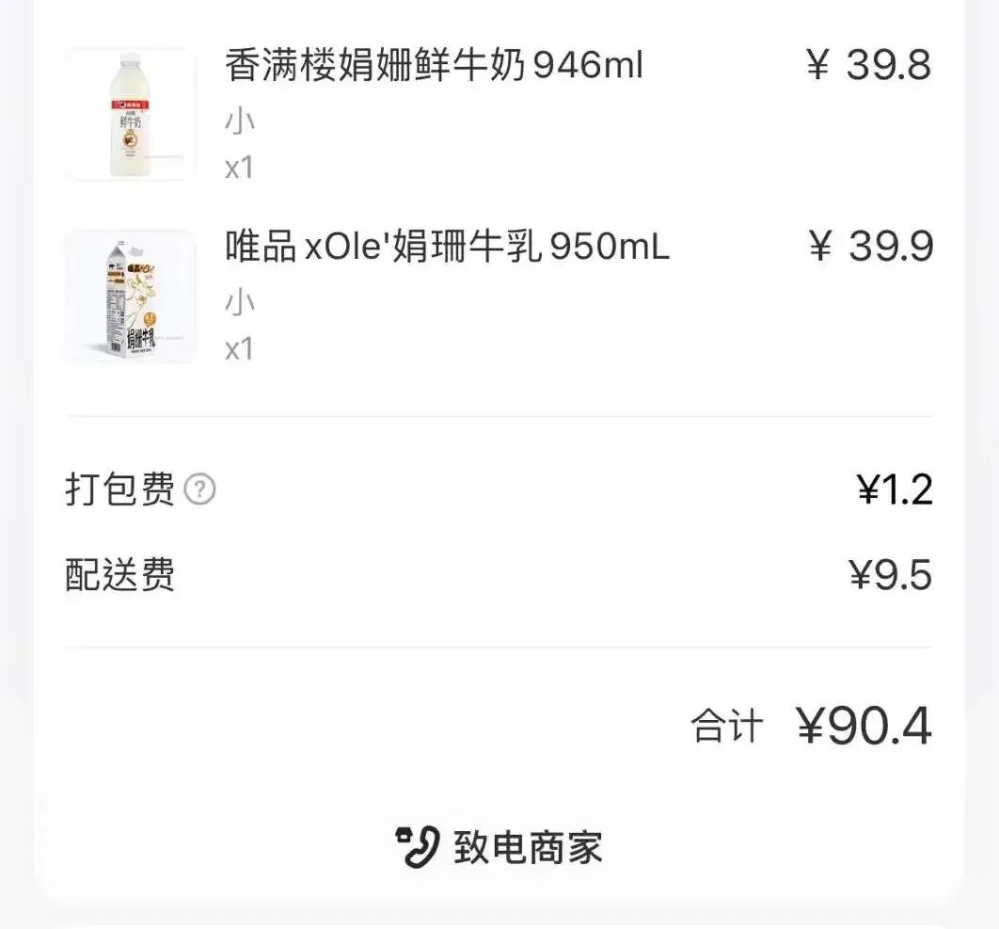
To evaluate how different types of milk perform in actual drinking scenarios, we used a 3:7 blend of Ethiopian Yirgacheffe Red Cherry natural and Honduran Sherry espresso beans, paired with Xiangmanlou, Weipin, and regular fresh milk to make three versions of Dirty. This blend is known for its vanilla creaminess, soft berry acidity, and nutty aftertaste. In testing, we found that Xiangmanlou Jersey milk highlighted the nutty and creamy notes of the blend, but the berry acidity was less pronounced. Overall, it had a rich body but slightly limited layering. The Weipin version offered clearer acidity and a more noticeable sweetness, with a richer layering but a slightly less solid mouthfeel. The regular fresh milk, due to its lower fat content, came across as thinner overall, with less distinct layering and flavor complexity.
Beyond Dirty, we also used these three types of milk to make hot lattes, stirring them well to observe the flavor profile after blending. The results showed that Xiangmanlou milk developed a more noticeable barny flavor when heated, which could easily mask the original aroma of the coffee. Weipin milk had a prominent sweetness and didn’t require additional sugar, but its barny note still affected the overall balance. In contrast, the regular fresh milk, though unremarkable when heated, complemented the coffee’s vanilla creaminess and berry flavors appropriately without overshadowing them.
When tasted on its own, the richness and milky aroma of Jersey milk are indeed impressive. The Xiangmanlou version had a more solid texture and a pronounced milk aroma, while Weipin was smoother in texture with a more outstanding sweetness — each had its own strengths. Regular fresh milk performed in a balanced manner, with no obvious pros or cons. However, Jersey milk isn’t universally compatible. Its intense characteristics are better suited to specific coffee flavors. If paired improperly, it can easily throw off the overall drinking experience.
Overall, thanks to its excellent nutritional content and texture, Jersey milk can indeed bring a unique experience to specialty coffee. But its high price also means it’s not an everyday choice for most people. If you occasionally want to enjoy the nuanced layers of a premium milk coffee, try pairing it with specific blends — you might discover some unexpectedly delightful flavor surprises. But if you expect it to perform well across all coffee types, you may need to be more selective.

The above content is compiled by CoffeeHunters, a coffee news website.


