








Introduction:Did you know? During the construction of the Melbourne Metro Tunnel, archaeologists unexpectedly unearthed coffee beans dating back 167 years. This astonishing discovery pushes Melbourne’s coffee history back to before the Gold Rush, solidifying its status as the “coffee capital.” This article will take you deep into the background of this find, the evolution of Melbourne’s coffee culture, and how Australian coffee has influenced global taste buds. It also includes practical coffee knowledge to help you better understand the origins of a great cup of coffee.
While Starbucks has dominated global markets, it hit a wall in Australia — a reflection of Australians’ distinctive taste and dedication to coffee. In Australia, Sydney and Melbourne have long vied for the title of “coffee capital.” A major archaeological discovery has provided Melbourne with solid historical evidence: during the construction of the Melbourne Metro Tunnel, an archaeological team excavated coffee beans approximately 167 years old from the site of a 19th-century grocery store. The beans were remarkably well-preserved, which is truly astonishing.
This discovery not only traces Melbourne’s coffee history back to before the rise of the Gold Rush but also rewrites the previous belief that Australia’s café culture only flourished in the 20th century. In fact, coffee was deeply integrated into the daily lives of Melbourne residents much earlier. In 2018, during subway excavation work in Melbourne’s central business district, archaeologists discovered over 500 precious and perishable artifacts at the site of what was once the John Connell grocery store, including these historically significant coffee beans, as well as biscuits, fruit residues, and other items.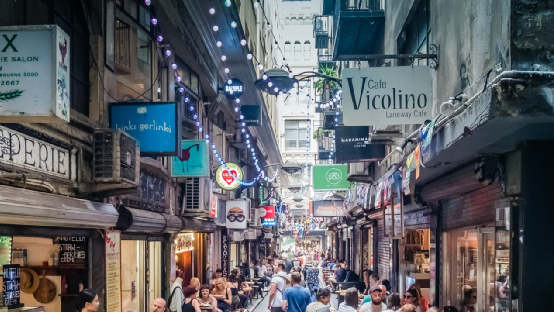
Archaeology expert Meg Goulding noted in a media interview that the preservation environment of these artifacts — similar to how the ancient city of Pompeii was instantly buried by volcanic ash — allowed many items, including the coffee beans, to remain intact. These coffee beans are believed to have come from the once-bustling John Connell grocery store, which caught fire in 1850 and was subsequently buried.
It’s worth noting that the Australian Gold Rush didn’t officially begin until 1851, yet these coffee beans predate that golden era, proving that coffee already played an important role in Melbourne before the Gold Rush took off. At the time, in addition to grocery stores, coffee vendors could be found everywhere on the streets, offering not only richly brewed coffee but also simple meals, becoming a vital energy source for many laborers. As a result, coffee became one of the most popular beverages in the area.
Today, coffee is deeply embedded in the lives of Australians. Statistics show that Australians consume about 10 cups of coffee per week on average. This is not just a daily habit but has become part of their cultural identity. Interestingly, the globally renowned McCafé also originated in Australia in 1993 and from there spread to the world, showcasing Australia’s influence on coffee innovation and popularization.
When it comes to Australian coffee, one cannot overlook the globally popular “Flat White” and “Piccolo” — coffee styles originating from Australia that offer a richly layered taste experience through their balanced ratio of milk foam to espresso. Melbourne is not only the birthplace of these classic drinks, but its coffee culture continues to influence the international coffee market, attracting countless coffee enthusiasts to make pilgrimages there.
This discovery is not only a significant milestone in archaeology but also reaffirms Melbourne’s status as the heart of Australia’s coffee culture. From the ancient coffee beans of 167 years ago to the exquisite cafés found on every corner today, Melbourne’s coffee story is the perfect beginning to Australia’s coffee legend.
The above content is compiled by CoffeeHunters, a coffee news website.


