







Introduction:Whether pregnant women can continue to enjoy a cup of coffee is a common concern among many expectant mothers. A recent Mendelian randomization study from the University of Queensland delves into the genetic links between caffeine intake during pregnancy and outcomes such as miscarriage, preterm birth, and birth weight. This article will provide an in-depth analysis of the study’s findings, explain how caffeine affects fetal development, and offer practical intake recommendations to help pregnant women identify safe limits and make informed choices.
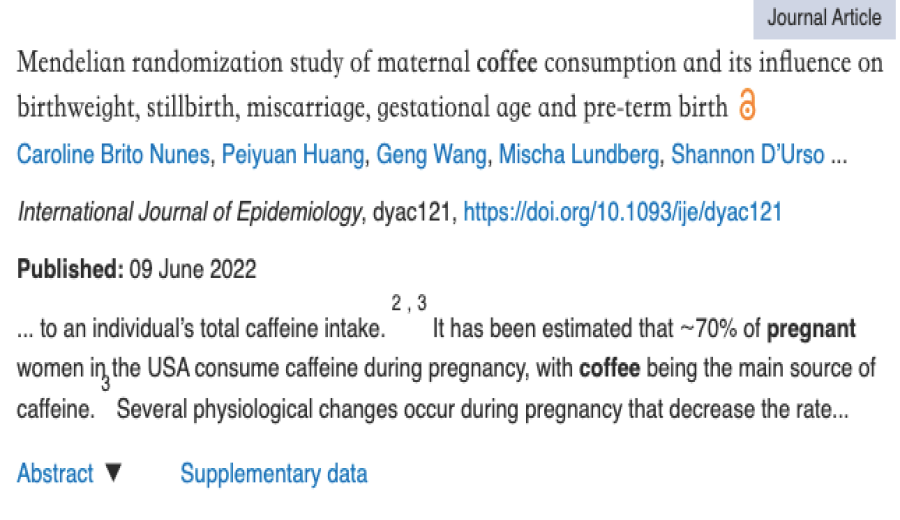
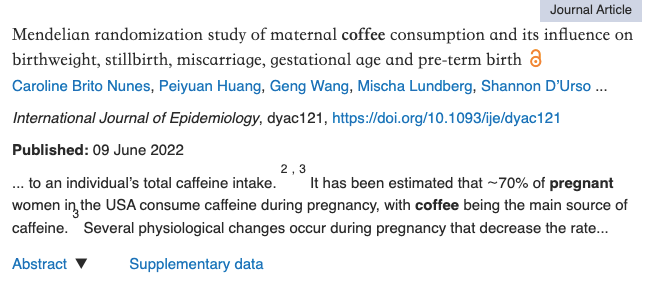
Opinions on whether coffee is safe to drink during pregnancy have long been divided. Recently, a study from the Institute for Molecular Bioscience at the University of Queensland, published in the International Journal of Epidemiology, used Mendelian randomization to analyze genetic data and explore potential causal relationships between caffeine consumption during pregnancy and outcomes like miscarriage, stillbirth, preterm birth, and low birth weight. The results suggest that moderate coffee consumption may not directly lead to adverse pregnancy outcomes when the mother’s health allows, but they also caution that caffeine may interfere with normal fetal development, advising pregnant women to carefully assess their individual conditions.
In reality, each pregnant woman’s physical condition varies greatly. Even if research suggests it’s okay to drink coffee during pregnancy, it doesn’t mean every expectant mother is suited to it, nor does it imply that coffee can be consumed without any limits. The key lies in “moderation” and “understanding your own tolerance,” while also accounting for all sources of caffeine from food and beverages.
For years, the medical community has debated whether caffeine intake is appropriate during pregnancy. Currently, the World Health Organization recommends that pregnant women limit daily caffeine intake to below 300 milligrams, while the American College of Obstetricians and Gynecologists suggests an even lower threshold of no more than 200 milligrams per day. However, it’s worth noting that different types of coffee, roast levels, and brewing methods can significantly affect the actual caffeine content in each cup, so estimating intake based solely on “one cup” can easily lead to misjudgment.
In addition, many common foods and drinks also contain caffeine, including milk tea, cola, certain teas, and even cigarettes—these can all be potential sources of risk. This is precisely why previous observational studies often struggled to distinguish between the effects of coffee itself and other caffeinated or harmful habits (such as smoking), making it difficult to pinpoint the true factors affecting fetal health.
The goal of this study was clear: not just to ask “Can pregnant women drink coffee?” but to determine whether “drinking coffee alone” truly increases the risk of miscarriage, preterm birth, or low birth weight. Since it’s not feasible to ask pregnant women to test different doses of caffeine, the research team instead employed Mendelian randomization, using genetic variations associated with coffee consumption behavior to infer causal relationships with pregnancy outcomes, thereby avoiding the confounding interference commonly seen in traditional observational studies.
The study analyzed genetic data from multiple large databases, including the Coffee and Caffeine Genetics Consortium, the UK Biobank, the Avon Longitudinal Study of Parents and Children, and 23andMe. Ultimately, it found that drinking coffee alone did not significantly increase the likelihood of miscarriage, stillbirth, or preterm birth. However, the study also emphasized that this does not mean caffeine is entirely harmless to the fetus—it simply indicates that the act of “drinking coffee” may not be the direct cause of adverse outcomes.
Therefore, the research team advises that pregnant women can still enjoy coffee in small, moderate amounts during pregnancy, but they must strictly monitor their total caffeine intake from all sources, including often-overlooked items like tea, cola, and chocolate. In particular, some snacks or drinks favored during pregnancy can quietly accumulate significant caffeine intake, which should not be taken lightly. This study focuses solely on the impact of coffee on pregnancy outcomes and does not imply that other caffeinated foods are equally safe.
Additionally, the study specifically warns that even if you choose to drink coffee, you should avoid cold brew coffee or beverages containing Robusta beans. Compared to the more common Arabica beans, Robusta varieties contain more than twice the amount of caffeine and are often found in many commercial instant coffees, as well as in some coffee shop blends—especially those crafted for a richer, fuller-bodied espresso taste. Beyond the higher caffeine content, these drinks often also include added sugar and non-dairy creamer, which add extra metabolic burdens for pregnant women.
As for brewing methods, the study data shows that when using the same weight of Arabica coffee beans, the approximate order of caffeine release is: cold brew coffee > French press > pour over > espresso. Cold brew, due to its long steeping time, allows more caffeine to dissolve, meaning that even with the same beans, cold brew tends to have a higher caffeine concentration. If you prefer a lower-caffeine option, also note that “low-caffeine” labeling does not mean completely caffeine-free, and intake should still be moderated to avoid misjudging the total amount consumed.
The above content is compiled by CoffeeHunters, a coffee news website.


