







Introduction:Starbucks has recently adjusted its store access policy, planning to restrict non-paying customers from using restrooms and seating areas, citing concerns over employee safety and mental health. CEO Howard Schultz publicly discussed challenges in bringing employees back to the office and hinted at possibly reversing the fully open policy implemented in 2018 following a racial incident. This article delves into the reasons behind the policy shift, explores a new balance in store management, and retains key historical background for reference.
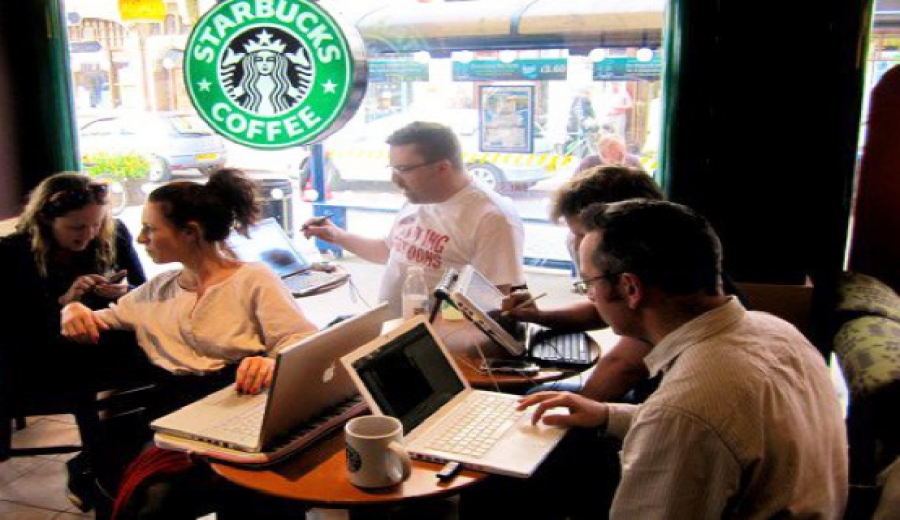
Starbucks was once known for its welcoming store atmosphere, where even non-paying customers could typically use the restroom or sit in the seating area. However, according to recent remarks by Starbucks CEO Howard Schultz at the New York Times DealBook Forum, this long-standing open policy may be facing changes.
Schultz stated that, out of concern for employee mental well-being and store safety, the company is re-evaluating whether to continue allowing non-paying individuals free access. In the future, it may restrict entry for non-paying customers or even consider closing public restrooms to ensure the safety of both staff and patrons.
Beyond the store policy adjustments, Schultz also addressed the challenge of getting employees back to the office. He admitted that despite his efforts to encourage a return, the results have been minimal. “I even said I’d be willing to get on my knees or do push-ups if they’d just come back, but it didn’t help,” he said. Schultz believes he holds a more traditional view of work and still struggles to adapt to the widespread adoption of remote work today.
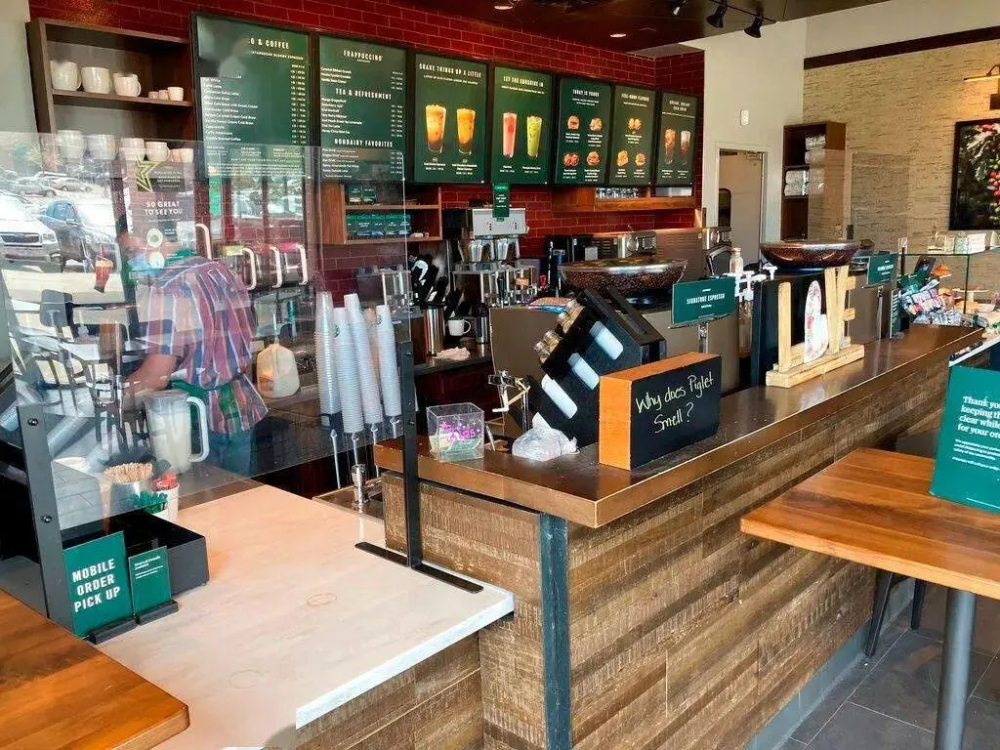
Regarding store management, Schultz pointed out that some members of the public currently treat Starbucks stores as free public restrooms, creating management difficulties and safety concerns. He emphasized: “We have safety issues in our stores because people come in and use the premises as public restrooms,” and added, “We must strengthen store management to provide a safe environment for our employees.” As for whether restrooms will remain open, he stated that it is still under careful consideration.

This policy shift may reverse the fully open measures Starbucks introduced in 2018 in response to a racial discrimination controversy. Looking back, in April 2018, an incident occurred at a Starbucks store in Philadelphia, USA, where two Black men were denied access to the restroom because they had not made a purchase. The situation escalated when police were called, and the two were arrested for refusing to leave.
The incident drew widespread criticism and was seen as symbolic of racial discrimination, leading Starbucks into a serious public relations crisis. At the time, then-CEO Kevin Johnson publicly apologized and arranged anti-racism training for all 175,000 U.S. employees.
To resolve the controversy, Starbucks Executive Chairman Howard Schultz announced at a board meeting on May 10, 2018, that all U.S. store restrooms would be open to the public free of charge. Less than two weeks later, Starbucks officially launched a new policy allowing anyone to use the restrooms without making a purchase, and both indoor and outdoor seating areas were opened to the public.
Starbucks stated at the time that the policy aimed to “create a culture of warmth and belonging, where everyone is welcome in our stores.” However, over time, issues related to store management and employee safety gradually emerged, prompting the company to reconsider the appropriateness of the level of openness.
The above content is compiled by CoffeeHunters, a coffee news website.


