








Introduction:How much does a slight adjustment in pour over water temperature affect the final flavor? This article takes two common temperature ranges—90°C and 93°C—as examples, using Flower Butterfly coffee beans that contain 70% Panamanian Geisha. All other parameters remain the same. Through concentration data and actual tasting comparisons, we analyze the differences in flavor profiles at different water temperatures. Practical parameter suggestions for stable extraction are also provided, along with bean varieties suitable for high water temperatures and cooling-brew techniques, helping you precisely grasp the balance between water temperature and flavor.
Many beginners to pour over coffee often ask: What should the water temperature be set to? Especially when brewing medium to light roasted beans, can a difference of just two or three degrees in water temperature really lead to noticeable changes in flavor? The answer is yes. This article uses the commonly recommended range—90°C to 93°C—as an example, selecting a bean with Geisha lineage for a comparative test, to help you understand the real impact of water temperature on a coffee’s aroma, sweet-acid balance, and overall mouthfeel.
The coffee beans used in this test are Flower Butterfly, with a recipe that includes about 70% Panamanian Geisha, delivering bright tropical fruit notes and floral aromas. During testing, only the water temperature parameter was adjusted—all other conditions remained identical: 15 grams of coffee, a 1:16 coffee-to-water ratio, using a medium-fine grind size with 80% passing rate through a #20 sieve, V60 filter cone, paired with the classic three-pour technique. Two experiments were conducted at 90°C and 93°C respectively, observing differences in concentration and flavor.

The actual measured data shows that the coffee brewed at 90°C had a concentration of 1.32%, while at 93°C it was 1.40%. In other words, increasing the water temperature by 3°C raised the overall extraction rate by approximately 1.2%. Though the difference may seem small, the flavor profiles show noticeable distinctions.
First, let’s look at the 90°C group’s performance: When hot, the aroma is dominated by mild fruity sweetness, though not as intense as the high-temperature group. The flavor profile is centered around citrus fruit notes, with soft acidity, accompanied by subtle floral honey sweetness and a tea-like finish. The overall mouthfeel is refreshing and balanced, suitable for drinkers who prefer a milder taste. At this water temperature, the bean’s foundational characteristics are gently presented, resulting in a smooth cup without any jarring or overly stimulating notes.
Next is the 93°C brewed version: In this cup, when hot, the aroma is more three-dimensional and rich, with fruitiness blended with the fresh note of ginger lily, creating a more distinct layering. Upon tasting, the sweetness becomes more prominent, still grounded in citrus but with a ginger-sugar-like sweet tone. The flavor layers are clearer, and the overall richness is slightly higher. However, it’s worth noting that when this coffee cools down, it tends to develop subtle nutty notes (such as almond tones) as well as some astringency, which are side effects that can occur more easily at higher water temperatures.
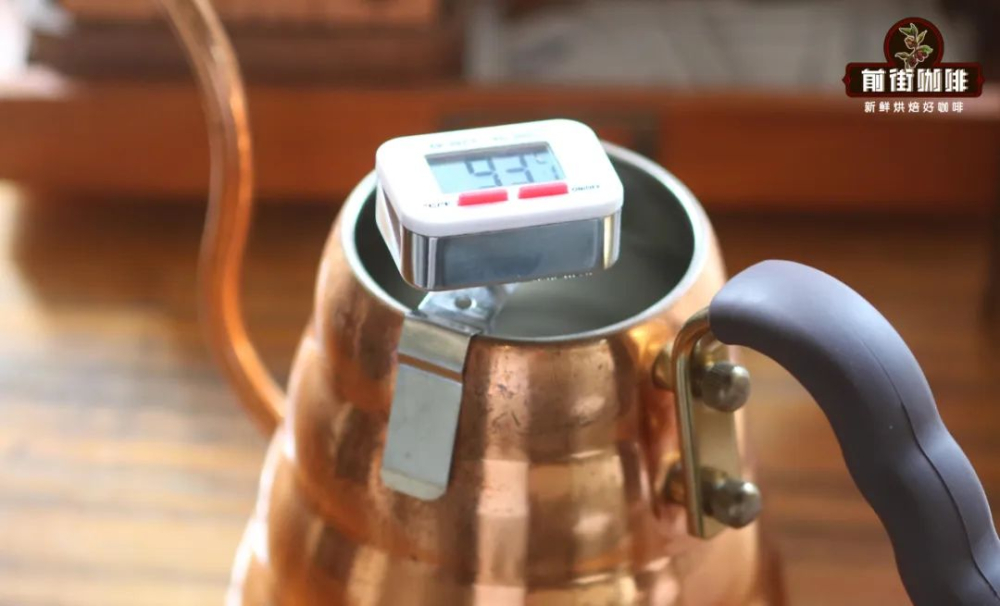
This test clearly demonstrates that even a mere 3°C difference in temperature can influence the coffee’s extraction efficiency and flavor profile. Within the commonly recommended 90–93°C range, lower temperatures tend to bring out a softer, more balanced acidity and mouthfeel, making them suitable for consumers who prefer a milder style; whereas higher temperatures help to elicit richer aromas and sweetness, though they may also increase the risk of bitterness or off-flavors, especially as the coffee cools.
Therefore, many professional baristas, in practical operations, opt for a relatively middle and stable water temperature value to reduce variables. For instance, when brewing most medium to light roasted coffees, the water temperature is often set to91℃, which not only lies in the middle of the recommended range but also balances aroma and mouthfeel stability, making it a practical favorite among many coffee enthusiasts.
Of course, the choice of water temperature also relates to the characteristics of the bean variety. Some beans are naturally better suited to higher temperatures, such as those from Ethiopia’s Uraga region or Kenyan coffees. These beans typically have pronounced acidity and complex layers. Using93°C or even slightly higherwater temperatures can better showcase their unique personalities and fuller flavors.
Additionally, a technique has gained popularity in recent years known as “cooling brew method”: using a higher water temperature (generally ≥93°C) in the early stage of brewing to extract the mid-to-front flavors, thereby fully bringing out the aromatic and bright flavor compounds; then lowering the temperature (generally ≤88°C) in the later stage to control concentration and reduce the extraction of bitter notes toward the end. This segmented temperature control method is a highly worthwhile technique for advanced users seeking balanced and layered flavors.
In summary, although water temperature is just one of many pour over parameters, it plays a key role in the final flavor. Whether you prefer a soft and smooth cup or are chasing bold, rich sweetness, as long as you grasp the matching logic between water temperature and bean variety, and pair it with the right grind size and brewing technique, you too can brew a distinctive and high-quality pour over coffee.
The above content is compiled by CoffeeHunters, a coffee news website.


