







Introduction:Faced with the environmental issues caused by disposable paper cups, the coffee industry has actively sought solutions in recent years. From early ice cream cone–style cups to KFC’s cookie cups, and then to oat-based cups that gained popularity during the pandemic, edible coffee cups have undergone three generations of technological innovation. This article will delve into the evolution, technical highlights, and current market status of these innovative cups, showing how they have gradually improved their environmental performance—and the potential bottlenecks they may face in the future.
Amid global calls to reduce plastic and paper waste, the environmental impact of disposable coffee cups has received increasing attention. To cater to customers taking drinks away, coffee shops commonly use paper cups, but most of these are lined with polyethylene coating, which not only makes recycling more difficult but also adds to the environmental burden. Statistics show that globally, over 1 billion disposable cups are not effectively recycled each year, with coffee consumption accounting for a significant proportion.
While encouraging customers to bring their own reusable cups is the ideal solution, it is not easy to implement for a takeout-oriented coffee consumption model. As a result, the industry has begun exploring alternatives, giving rise to the concept of “edible coffee cups,” which has gone through multiple iterations—from the initial cone design to the more practical oat-based material.
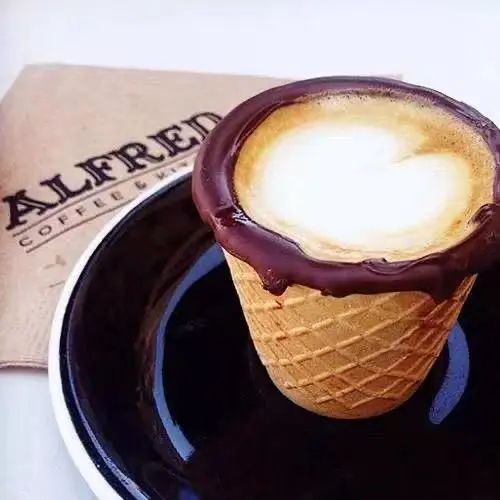
As early as 2014, some cafes in the United States attempted to launch the first generation of edible cups—coating the inside of ice cream cones with chocolate sauce to turn the entire cup into an edible container. But this design had obvious drawbacks: the chocolate would melt easily when exposed to heat, causing coffee leakage. The usable time was limited to just 10 minutes, and consumers had to eat the chocolate along with the cup, making promotion difficult. Ultimately, it failed to gain widespread adoption.
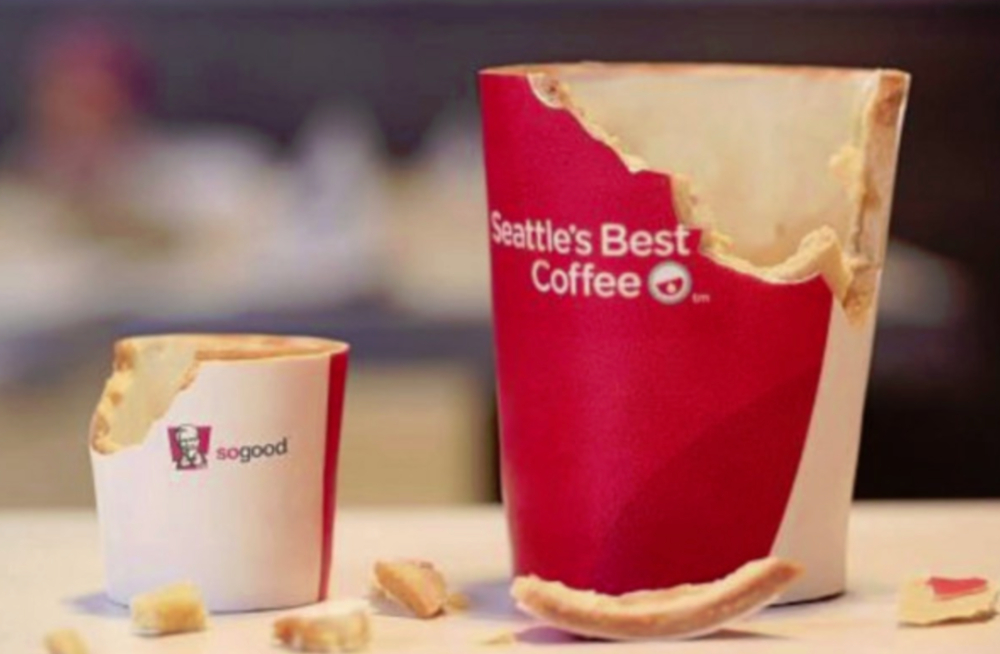
In 2015, the international fast-food brand KFC launched a limited-edition “cookie cup,” made from a cookie with a thin layer of chocolate on the inner wall. The improved design made the cup wall sturdier and more heat-resistant, suitable for holding hot beverages. At the time, this cup was mainly part of a marketing campaign and not widely sold, but it provided valuable inspiration for subsequent edible cup research and development.
Subsequently around 2016, coffee shops around the world began offering cookie cups, but due to limited demand, food manufacturers did not produce them on a large scale, resulting in high per-cup costs—sometimes even more than 100 times that of regular paper cups. Coupled with higher drink prices and a holding time of only about 30 minutes, cookie cups never became a mainstream choice.
The situation took a turn during the COVID-19 pandemic. Due to pandemic prevention measures, many coffee shops suspended the use of reusable glass cups, while consumer awareness of environmental issues grew, bringing edible cups back into the spotlight and leading to a third-generation technological breakthrough—the birth of the oat cup.
The third-generation oat cup is primarily made from oat bran and eggs, produced through a special pressing and baking process. It can effectively prevent leakage without the need for additional chocolate coating. This type of cup can maintain no leakage at 85°C for up to 12 hours, has low sweetness and a texture similar to pancakes. More importantly, its per-cup cost is only a quarter that of cookie cups, significantly lowering the barrier to commercialization.
During the pandemic, many coffee shops that could not provide glass cups switched to oat cups and received positive feedback from customers. Although slightly more expensive than traditional paper cups, more and more customers indicated a willingness to pay the extra cost for environmental reasons. Market observations show that consumers are increasingly concerned about the sustainable impact of their consumption behavior, leading to a gradual increase in the acceptance of edible cups.
However, oat cups still face some challenges, such as the lack of a lid design, and concerns among some consumers about potential allergies to oat bran or egg ingredients. To address these issues, some food companies are now researching gluten-free, egg-free versions of the cup body, while also developing compatible lids. It is expected that the range of applications will be further expanded in the future.
Industry insiders point out that the current manufacturing cost of an oat cup is about $1.50 each, but if production scales up and more coffee shops adopt them, the unit price could drop below $1 in the future, enhancing their commercial competitiveness.
It is worth noting that besides edible cups, some regions have also promoted “reusable cup rental” programs, where customers pay a deposit to borrow a cup, return it after use, and receive incentives. However, in practice, issues such as customers forgetting to bring the cup and concerns about cup cleanliness have led to less-than-expected results, with market response far less enthusiastic and swift compared to the rebound of oat cups.
In summary, edible coffee cups have evolved from the initial cone concept, to the trial of cookie cups, and then to today’s oat cups. Each generation of technology has optimized for durability, leak resistance, and cost. Although there are still some technical and market barriers to overcome, their environmental potential and consumer acceptance have significantly improved. With further refinement of design and supply chain, they may become the new mainstream choice for takeaway cups in coffee shops.
The above content is compiled by CoffeeHunters, a coffee news website.


