







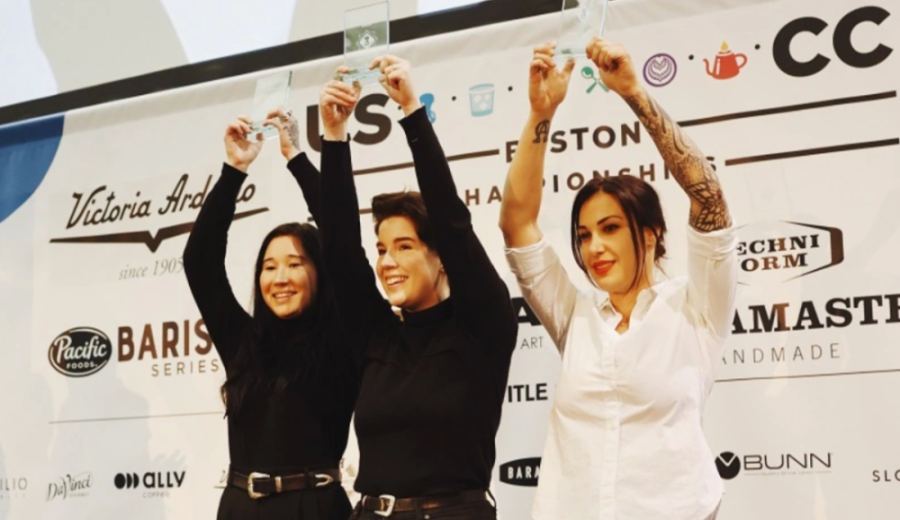
Introduction:At the recently concluded U.S. Brewers Cup, Morgan Eckroth from Portland won the championship as a coffee blogger with 7 million followers, and for the first time publicly documented her entire preparation and competition process through vlogs. She focused on the post-pandemic rise of home coffee enthusiasts, advocating that coffee should be delicious, easy to replicate, and capable of innovation, while boldly sharing her recipes and bean selection strategies. This article delves into her competition creativity, bean selection logic, and flavor design, while also exploring the current bottlenecks in barista competitions and the shifting trends in coffee consumption in the post-pandemic era.
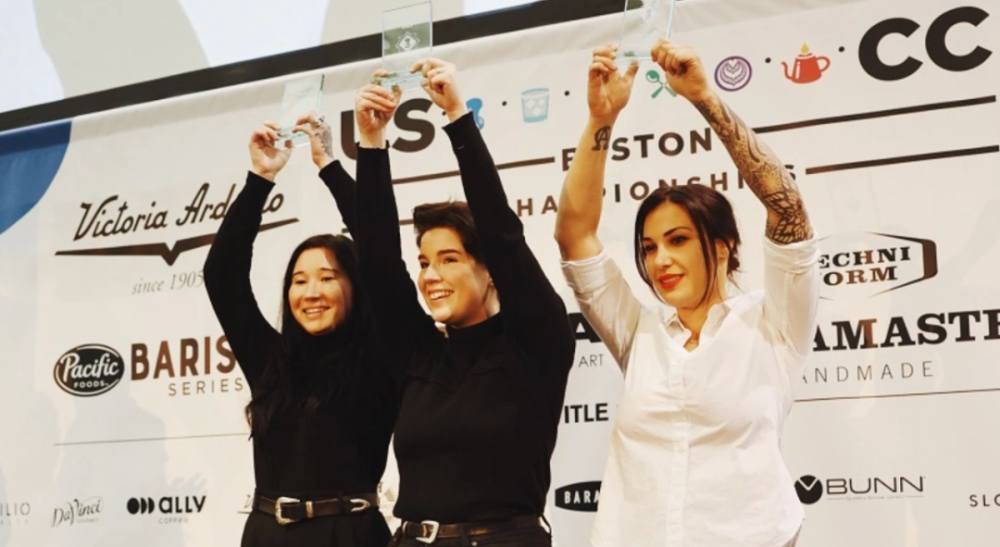
At the recently concluded U.S. Barista Championship, Morgan Eckroth from Portland, Oregon, successfully claimed the top spot. Unlike many professional competitors, she already had over 7 million followers prior to the competition as a well-known coffee content creator. Not only did she document her entire preparation journey through vlogs, but she also live-streamed the competition itself, presenting it in real time to a global audience and attracting millions of simultaneous online viewers.
For this competition, Morgan centered her theme around the post-pandemic rise of home coffee brewing enthusiasts, hoping to inspire more people to easily replicate a professional-level coffee experience at home. She advocated for the philosophy that “coffee should be delicious, replicable, transformative, and suitable for home brewing,” breaking away from the previous competition frameworks that overly emphasized uniqueness and theatrics.
In past Barista Championships, many competitors, in order to showcase their skills, often used extremely rare or expensive coffee beans—especially Geisha varieties—making it difficult for audiences to find beans with the same flavor profile after the competition or to recreate the stunning performances they witnessed. Additionally, overly complicated brewing techniques, complex scoring systems, and an excessive focus on origin and variety gradually alienated the competitions from the general public, turning them into stages for a select few professionals.
This time, Morgan chose to take a more approachable and practical direction. In the milk coffee segment of the competition, she used coffee beans from the Eugenioides variety grown at Colombia’s Finca San Jerónimo. This is a relatively rare variety, a parent species of Arabica originating from East Africa. The variety has lower caffeine content and often exhibits flavors such as sesame candy, roasted marshmallow, lemon, and grain milk.
Her specific recipe was 20 grams of coffee grounds yielding 35 grams of coffee liquid, paired with 50% frozen purified milk. This combination fully highlighted the bean’s natural sweetness, ultimately delivering a complex flavor profile of cocoa, chiffon cake batter, chocolate ice cream, and salted caramel that was truly impressive.
For the espresso and creative coffee segments, Morgan switched to the Rume Sudan variety from the same farm, which undergoes anaerobic sun-dried processing, resulting in a smoother and more layered flavor. She used 19 grams of coffee grounds to extract 40 grams of coffee liquid, with extraction time controlled within 20 seconds. Before tasting, judges were required to stir the cup with a frozen spoon 10 times to fully release its flavors. This espresso showcased delicate aromas of rose, red grapefruit, honey syrup, papaya, and white peach.
For the creative coffee segment, Morgan used this espresso as the base to design a vibrant and highly home-replicable beverage. She mixed 4 shots of espresso with 30 grams of mango puree, evoking aromas reminiscent of orange ice cream. She then added 25 grams of lime sugar essential oil—crafted from a 1:1 mixture of lime zest and white sugar and aged for 8 hours—and 30 grams of orange blossom water to impart a refreshing rosewater note. Additionally, she incorporated an egg white to enhance texture and a small amount of saline solution to balance the overall sweetness, allowing the various flavors to meld more harmoniously.
Finally, she blended all the ingredients in a food processor until smooth, then shook the mixture with ice to cool it down. The final creative coffee presented captivating aromas of orange ice cream, yuzu, lemon ice cream, and rosewater. Not only was the flavor profile richly layered, but it also demonstrated the feasibility of home brewing.
Morgan emphasized during the competition that every detail of this creative coffee was meticulously designed, with the goal of enabling fans to replicate a similar flavor experience at home using comparable ingredients and steps. She believes that the essence of creative coffee lies in highlighting the unique characteristics of the coffee itself through ingredients, rather than pursuing complexity and irreproducibility.
Throughout the competition, Morgan also shared her observations on post-pandemic coffee consumption trends. She pointed out that during the pandemic, when many people were unable to visit cafes, it prompted more individuals to explore coffee brewing at home, further expanding the boundaries of coffee. At the same time, this trend also gave rise to a surge in coffee bloggers, making the dissemination of coffee knowledge more diverse and accessible.
She believes that as baristas or content creators, there is a responsibility to convey professional coffee knowledge in simple and understandable ways, enabling more people to easily step into the world of specialty coffee. For beginners, presenting complex extraction principles and techniques in an intuitive manner can help lower the entry barrier and elevate the overall accessibility of coffee culture.
In summary, Morgan Eckroth’s championship win not only showcases the skills and creativity of a professional barista but also redefines the meaning of barista competitions—as not just a contest of technique, but also a platform for sharing, communication, and inspiration. Her success also signals that post-pandemic coffee consumption patterns are moving toward more home-based, more approachable, and more enjoyable directions.
The above content is compiled by CoffeeHunters, a coffee news website.


