







Introduction:A juice priced at 108 yuan has sparked heated discussion in Changsha recently. Is it made with genuine premium ingredients or just a marketing gimmick? This article delves into the pricing strategy of the durian and mangosteen drinks launched by Changsha’s “Little Mountain Scene · Fruit Molecular Tea,” explores why high-priced fruit beverages frequently attract attention, and compares past similar cases to help readers rationally assess marketing phenomena and consumer choices in the beverage market.
Among many beverages, coffee often appeals only to a specific demographic due to its distinctive bitter flavor; in contrast, sweet and tangy milk teas are more widely favored, serving as the top choice for many whether during commutes or weekend leisure. However, a newly opened milk tea shop in Changsha recently became the center of attention due to a juice that costs 108 yuan.
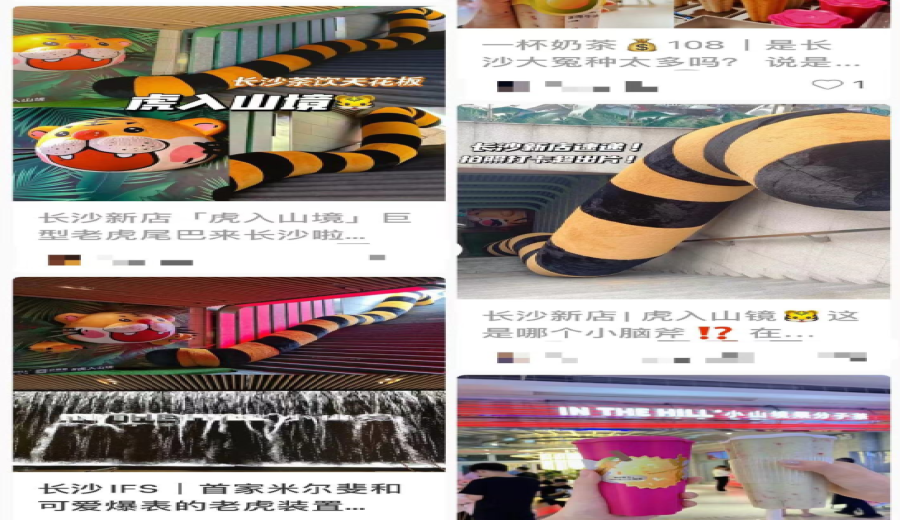
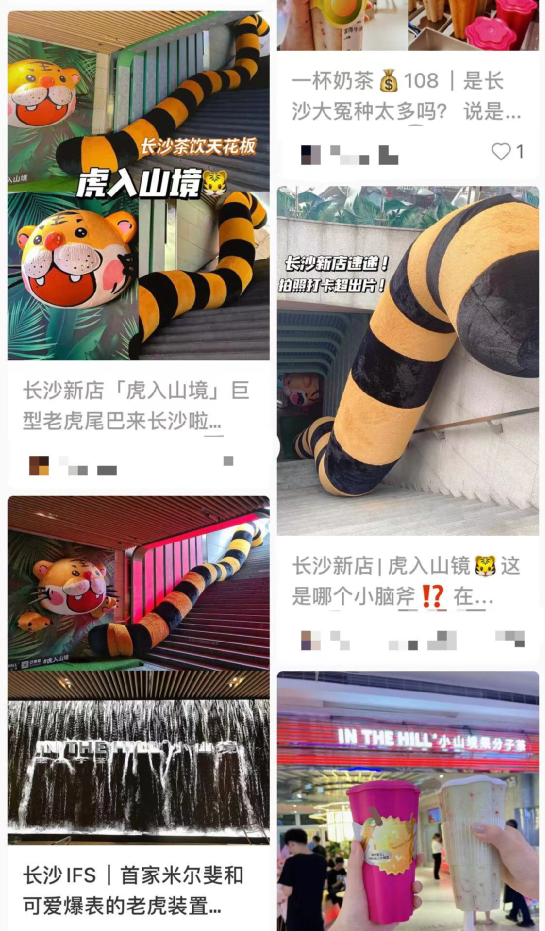
This beverage shop, named “Little Mountain Scene · Fruit Molecular Tea” (hereafter referred to as “Little Mountain Scene”), is located on Changsha’s International Finance Square. Its eye-catching giant tiger tail installation in the decor successfully attracted numerous consumers to come for photos. But what truly made this shop go viral wasn’t the decor or even the taste—it was a juice on the menu priced as high as 108 yuan.
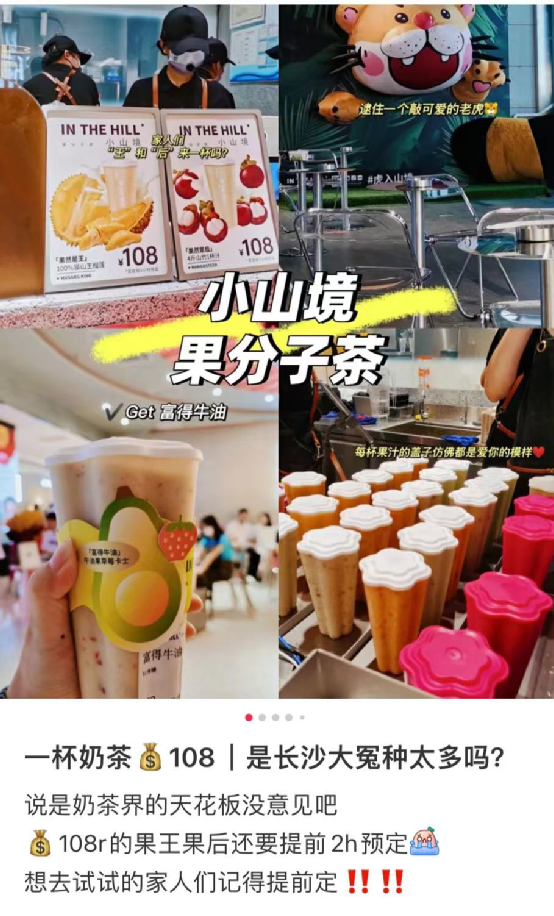
According to photos shared by Xiaohongshu users, the shop’s featured area prominently displayed two high-priced flagship drinks: one made with durian and the other with mangosteen, both priced at 108 yuan. Reporters from Hunan’s local media outlet Xiaoxiang Morning Herald visited the shop on June 8 and found that the product introduction page in-store indicated the mangosteen drink used “four catties of mangosteen per cup,” while the durian drink emphasized “100% Musang King durian,” though the exact fruit pulp content was not clearly specified.
The staff further explained that the durian drink actually contains “half a cup of durian pulp,” and the mangosteen might be “four catties or even more.” However, these two drinks, which were originally labeled as requiring “two hours advance reservation,” were told to customers on the day of visit that they could be made “on the spot.” This contradictory information left many consumers puzzled.
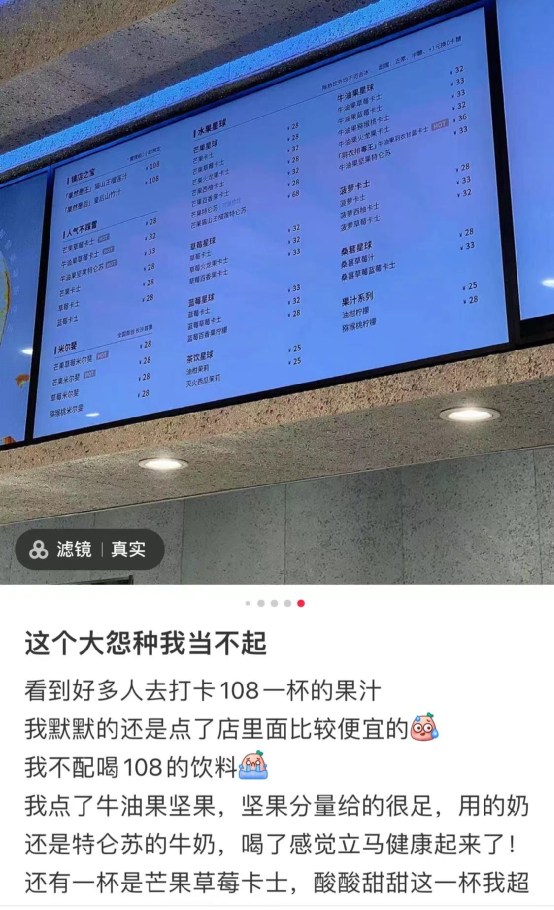
From photos shared by other customers on Xiaohongshu, aside from these two high-priced drinks, the prices of other beverages in the shop fall within the common range, mostly between 25 and 36 yuan—similar to the prices of regular milk teas on the market.
Reactions from netizens regarding this 108-yuan juice have been polarized. Some netizens are unfazed by the price and even say they’re “tempted to try it,” while many others bluntly call it “outrageously expensive” and think it’s better to just buy the fruits from the market. Some also point out that this is just an old marketing tactic aimed solely at attracting attention and creating buzz.
In fact, this isn’t the first time a beverage shop has used premium fruits as a selling point. As early as 2019, the well-known tea brand Nayuki launched an 88-yuan “Tyrannical Musang King” and a 68-yuan “Tyrannical Two Catties of Mangosteen,” and imposed a “purchase limit” on the former: only 30 cups per day, one per person, and only available for sale after midnight, with the promotion lasting just one month.
Fast forward to November 2021, Shenzhen-based tea brand “Ye Cui Shan” also made headlines on Weibo for launching a 1,000-yuan olive juice. After the incident gained widespread attention, the Shenzhen Market Supervision Administration stepped in to investigate and found that the claimed high-priced raw material purchase costs did not match the actual prices, suspected of false advertising. Ultimately, the business was fined 500,000 yuan in January 2022 for violations.
Back in Changsha’s “Little Mountain Scene,” although there has been no official investigation indicating false advertising, consumer skepticism about the high-priced drinks has not subsided. Especially when the ingredients used in these drinks—such as durian and mangosteen—are already quite expensive, consumers are more concerned with whether these high prices truly reflect the cost of ingredients or are merely a topic-driven brand operation.
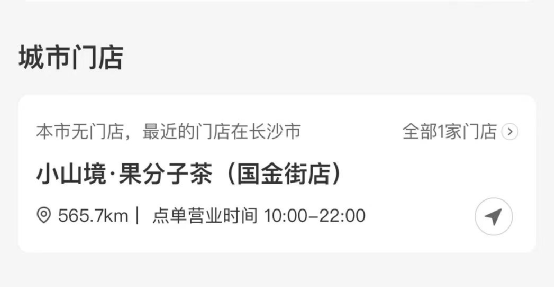
Notably, according to Little Mountain Scene’s WeChat mini-program, the brand currently has only one outlet in Changsha, with no plans to expand to other cities. This strategy also leads one to wonder if this is yet another marketing tactic leveraging “regional scarcity” and “high-price buzz” to quickly build brand exposure.
In summary, whether a 108-yuan juice is worth the money is subjective. But one thing is certain: the emergence of such high-priced beverages not only reflects the diversity of marketing strategies but also reminds consumers to maintain rational judgment when facing surprisingly priced food items, understanding the underlying ingredient costs and actual value.
Next time you pass by a beverage shop touting “premium fruits” and see a jaw-dropping price tag, take a moment to think: is this drink truly a great value, or just a carefully orchestrated marketing show?
The above content is compiled by CoffeeHunters, a coffee news website.


