







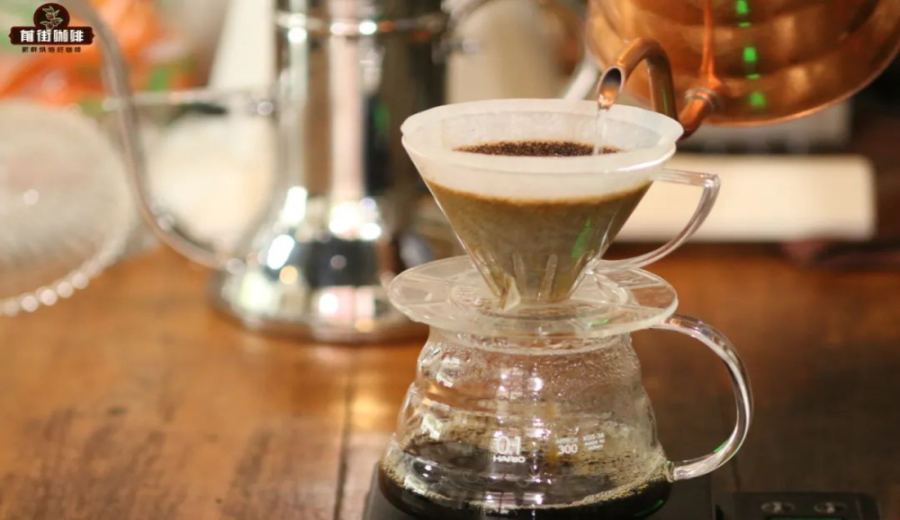
Introduction:The flavor performance of pour over coffee hinges on the delicate balance between extraction yield and concentration. Understanding how these two core metrics influence the balance of acidity, sweetness, bitterness, body, and aftertaste can help you quickly identify brewing issues. This article delves into the definitions, relationships, and practical manifestations of extraction yield and concentration. By combining strategies for adjusting brew ratio, grind size, and water temperature, it helps you avoid common brewing pitfalls and brew an ideal cup with rich layers of flavor.
In the world of pour over coffee, "extraction yield" and "concentration" are the two most frequently mentioned yet easily confused key metrics. Simply put, extraction yield refers to the proportion of soluble substances dissolved from the coffee grounds by water, relative to the original weight of the coffee beans; whereas concentration refers to the proportion of these dissolved substances in the final brewed coffee liquid. These two are closely mathematically related through the weights of the coffee grounds and the brewed coffee, and using a refractometer, one can reverse-calculate the extraction yield to further analyze brewing performance.
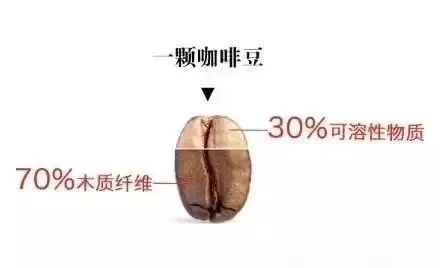
To precisely control the flavor profile of your pour over coffee, it’s essential first to clarify the definitions and real-world significance of these two metrics.Extraction Yieldis calculated based on the "coffee beans." It reflects the proportion of flavor compounds in the coffee beans that are successfully transferred into the water. Generally, about 30% of the substances in coffee beans are soluble. When the extraction yield falls within the range of 18% to 22%, the released flavors are the most balanced; once it exceeds 22%, it may release excessive bitterness and impurities, affecting the overall taste.
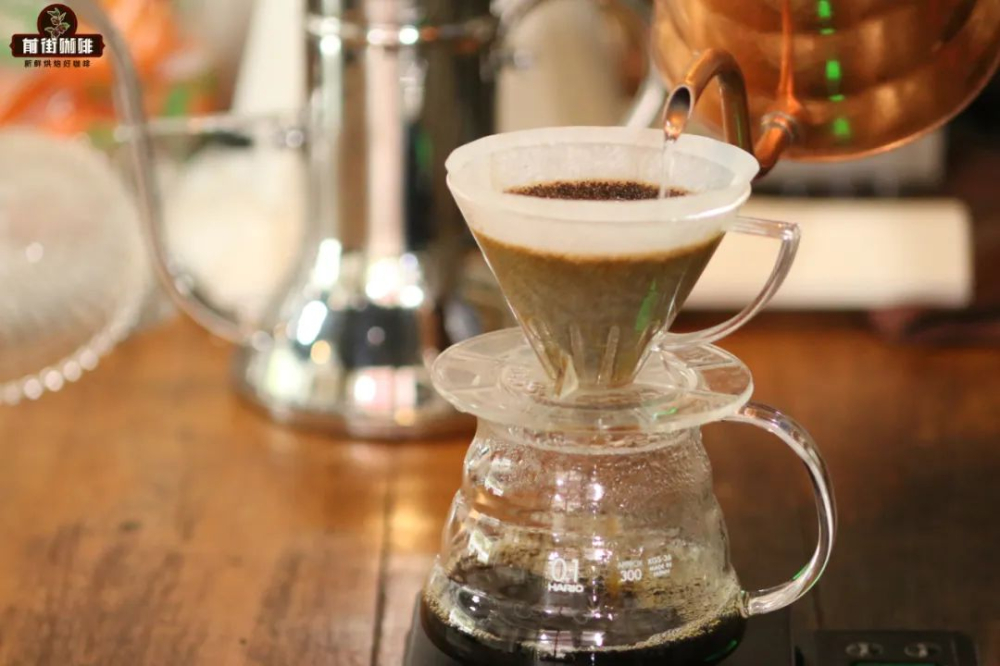
As forConcentration,it is based on the "brewed coffee liquid," representing the proportion of dissolved coffee substances in the entire beverage. According to industry experience, when the concentration is maintained between 1.15% and 1.45%, the drink tends to have a smoother mouthfeel and more distinct layers. By taking both of these metrics into consideration, one can better understand the potential performance of a pour over coffee.
Upon deeper exploration, it turns out these two share the same origin — the substances dissolved from the coffee grounds by water. Through the formula "Extraction Yield = Concentration × Brewed Coffee Weight ÷ Coffee Grounds Weight," we can reverse-calculate the extraction yield of a cup of coffee based on the measured concentration of the brewed coffee. Although not everyone owns a refractometer, understanding this relationship is sufficient to help adjust parameters in practice and optimize brewing results.
For example, if you brew with a fixed volume of water in three stages (such as in a segmented experiment conducted by some shops, where the brewing process is divided into early, middle, and late stages, with equal amounts of coffee liquid extracted at each stage), tasting observations reveal that: the early-stage coffee usually has the most intense flavor, the middle stage is slightly less so, and the late stage is noticeably weaker. This illustrates thatextraction is most efficient in the beginning, with the highest concentration,and as time goes on, extraction efficiency gradually decreases, and so does the concentration of the coffee liquid. However, extraction yield is cumulative—even if extraction efficiency drops in the later stages, as long as water continues to pass through the coffee grounds, the extraction yield will keep rising.
Here you can imagine an extreme scenario: if you continuously rinse the coffee grounds with an unlimited amount of water, the extraction yield will eventually approach 30%, but at the same time, the coffee concentration will be greatly diluted due to the excessive water. Therefore, during pour over brewing, we must balance the cumulative effect of extraction yield with the balance of coffee liquid concentration in order to extract coffee with complete flavors and harmonious mouthfeel.
So, how can we effectively control these two key elements? The primary parameter is the "brew ratio." It is generally recommended to use a brew ratio in the range of 1:15 to 1:16, which is considered the "Golden Cup" reference range where it’s relatively easy to achieve an ideal balance between extraction and concentration. It’s worth noting that while the "Golden Cup" theory provides standard ranges of 18%–22% for extraction yield and 1.15%–1.45% for concentration, in practice, these are only for reference. Coffee outside these ranges can still deliver excellent flavor, so there's no need to be overly fixated on the numbers. Instead, understand the principles behind them and apply them flexibly in practice. (In fact, the SCA has been conducting research on Golden Cup 2.0 since 2017, and there may be further updates in the future.)
When you find that the brewed coffee doesn’t taste as expected, understanding extraction yield and concentration can help you quickly pinpoint the problem. For instance, if the coffee tastes intense, burnt, harsh, and heavy, it’s usually because both concentration and extraction yield are too high; conversely, if the coffee is strong yet lacks depth, with sharp acidity and a short aftertaste, it may be a case of high concentration but low extraction yield. If the mouthfeel feels watery, thin, and bland, it’s mostly a sign of low concentration and low extraction yield; as for a hollow, thin, and rough taste, it may indicate low concentration but high extraction yield.
Generally speaking, if the brew ratio is set appropriately (within the 1:15–1:16 range), it’s less likely to encounter low concentration with high extraction. If you encounter high concentration but low extraction (flavorless, sour and sharp), you might consider adjusting the brew ratio by increasing the water volume moderately to boost extraction yield and reduce overall concentration. As for more complex issues like high concentration & high extraction or low concentration & low extraction, they are often related to grind size and water temperature settings, requiring further fine-tuning of these variables to find the optimal brewing balance point.
The above content is compiled by CoffeeHunters, a coffee news website.


