







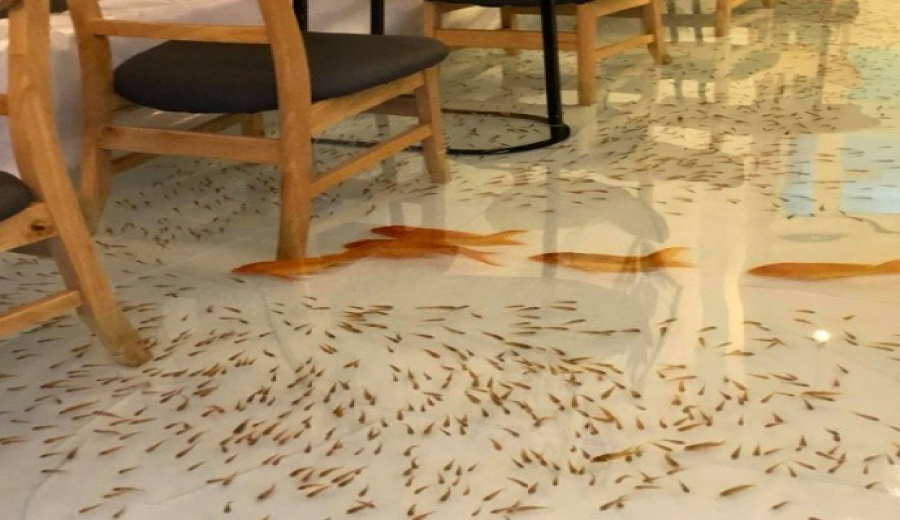
Introduction:A pet-themed café in Ho Chi Minh City, Vietnam, named Amix Coffee, has gained attention for its unique floor design — a pool filled with koi fish and ornamental fish. Customers are invited to walk barefoot through the water and interact closely with the fish. While the creative concept is eye-catching, it has also raised concerns about animal welfare and public health. This article delves into the ingenuity of its design, the potential risks involved, and the global reflection on animal-themed commercial models.
In recent years, animal-themed leisure spaces have surged in popularity around the world — from cat cafés and dog cafés to alpaca and piglet interaction experiences — attracting large crowds of young people seeking Instagrammable moments. However, Amix Coffee in Ho Chi Minh City takes a distinctly different approach by installing a floor covered in live fish, allowing patrons to literally step into the water and coexist with the fish, creating a true “koi café.”
This viral café in Ho Chi Minh City, Vietnam, features a two-story space, with each floor’s flooring filled with approximately 25 centimeters of water and inhabited by various species of fish. The first floor mainly houses small ornamental fish, while the second floor is dominated by large Japanese koi. To enable close interaction between customers and the fish, the café requires all visitors entering the pool to remove their shoes and wash their feet at the entrance to ensure cleanliness before stepping into the water.
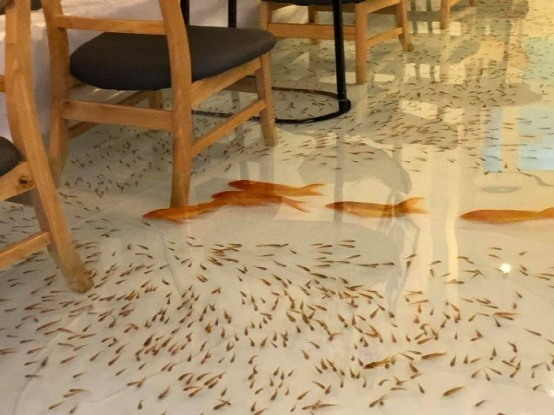
To maintain fish health and stable water quality, the shop has installed a three-layer filtration system along with oxygen pumps to ensure adequate dissolved oxygen and proper circulation in the water. However, even with professional-grade water management equipment, it is still difficult to completely prevent disturbances caused by human behavior. According to the café, some customers have thrown food into the water or attempted to catch fish with their hands — behaviors that can result in being asked to leave the premises.
Although this innovative design has successfully captured attention, it has simultaneously sparked intense debate over animal welfare and public hygiene. Many netizens have pointed out that allowing customers to step directly on the water surface could not only accidentally harm the fish but also potentially transmit infections or diseases via bacteria or fungi carried on human feet. Some have criticized the interactive model for lacking basic respect for the animals and failing to meet humanitarian standards.
Photos circulating on social media show multiple customers soaking their feet in the same pool simultaneously. While the images may appear fun, they also raise another concern: if any customer has athlete's foot or other skin conditions on their feet, could it increase the risk of cross-infection among the group? Such worries have led many to reconsider whether animal-themed cafés, in their pursuit of novel experiences, may be overlooking more important ethical and safety issues.
In fact, the rise of animal-themed cafés has long drawn the attention of animal protection groups and relevant authorities. South Korea’s Ministry of Environment announced earlier this year a complete ban on displaying wild animals in non-zoo settings, including private businesses such as wildlife cafés that have grown popular in recent years. This policy reflects a global re-evaluation of the commercialization of animal displays and has once again placed business models like that of Amix Coffee in the spotlight of public discourse.
For consumers who enjoy interacting with animals, finding a balance between connecting with nature and respecting life will be key to the sustainable development of such venues in the future. For operators, beyond crafting innovative experience designs, it is equally crucial to incorporate considerations for animal welfare, public health, and consumer education into their business practices — only then can truly sustainable and responsible leisure spaces be created.
The above content is compiled by CoffeeHunters, a coffee news website.


