







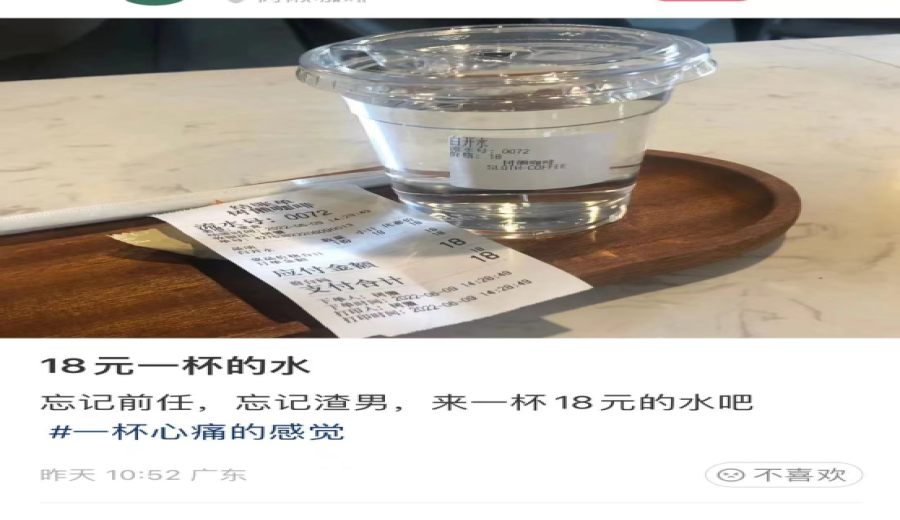
Introduction:A coffee shop in Shenzhen was exposed for issuing a bill charging 18 yuan for a glass of plain water, sparking heated discussion and skepticism among netizens. Although the shop later clarified that it was just a joke and the item was not actually sold, the incident still reflects consumers' sensitivity to high pricing of everyday goods. This article will detail the sequence of events, analyze the consumer psychology behind the public outcry, and review relevant market regulatory policies to help readers view such phenomena more rationally.
In recent years, various "consumer assassins" have frequently emerged—from shockingly priced ice cream tucked away in the corner of a freezer to the now-viral online image of an 18-yuan glass of plain water—continually challenging consumers' psychological bottom line. Recently, an image of a receipt from a coffee shop in Shenzhen showing a charge of 18 yuan for plain water went viral online, instantly igniting widespread discussion.
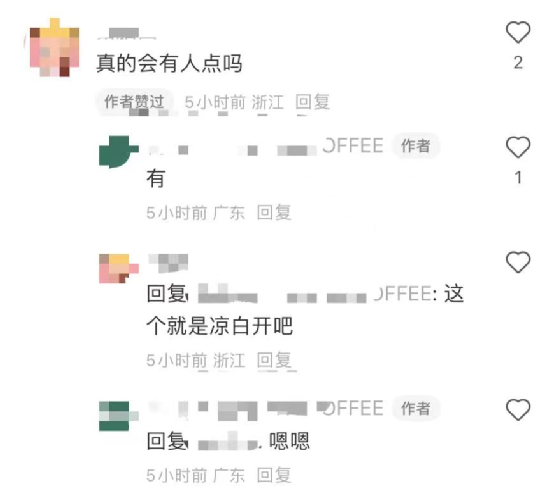
Faced with netizens'质疑 of "Would anyone really order that?", the shop once responded on social media that "yes, someone would," leading many to believe it was true. However, after media inquiries with the shop staff confirmed that the image was merely an internal joke and that the 18-yuan water was never actually sold, it turned out to be a false alarm. Nevertheless, the issues reflected by the incident are worth pondering.
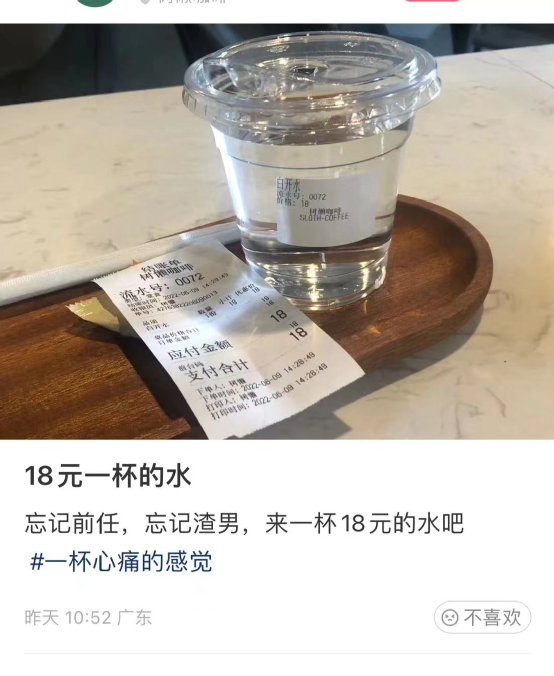
In the image circulating online, a disposable paper cup labeled "plain water" sits next to a clearly marked receipt showing the order number and transaction ID, with the line "one glass of water: 18 yuan" explicitly written. This not only prompted netizens to exclaim "even plain water has its assassin," but also sparked broad discussion: why are even basic beverages becoming "assassinated"?
Some netizens left comments expressing confusion, arguing that buying water at a coffee shop makes less sense than getting it at a convenience store. Others compared the price to that of juice at bars, joking that ordering plain water at a coffee shop is like helping the owner pay the rent. Behind these comments lies a sensitivity and dissatisfaction with the inflated prices of everyday consumer goods.
In fact, similar "assassin" phenomena are nothing new. For example, the frequently mentioned "ice cream assassins"—those premium-priced ice creams hidden in the back corners of freezers that surprise customers with price tags of over ten or even dozens of yuan upon checkout—have caused many consumers to cry foul and have become hot topics online.
In the case of the "18-yuan plain water" incident, a shop staff member explained to the media that the image was simply posted on their personal social media as a joke, but was later reposted on platforms like Xiaohongshu and Douyin, often without attribution. Some even claimed it was their own personal experience, which led to the misunderstanding growing larger and larger.
It’s worth noting that the public remains highly vigilant about high-priced everyday goods. At most supermarkets, bottled water typically costs no more than 10 yuan, so pricing a simple glass of plain water at 18 yuan is indeed likely to stir controversy. This also shows that consumers' expectations for price transparency and fairness are continually rising.
Similar instances of high pricing have also drawn attention from relevant authorities. For instance, to curb issues like "exorbitantly priced mooncakes," the National Development and Reform Commission, the Ministry of Industry and Information Technology, the Ministry of Commerce, and the State Administration for Market Regulation jointly issued a document focusing regulatory oversight on boxed mooncakes priced over 500 yuan, demonstrating an increasing intensity in regulating unreasonable pricing practices.
Although the "plain water assassin" incident ultimately turned out to be a misunderstanding, it serves as a reminder that maintaining rationality and awareness in the face of unusual pricing in daily consumption is very important. Consumers should also better understand market conditions and their own rights to avoid being caught off guard by "assassins."
The above content is compiled by CoffeeHunters, a coffee news website.


