







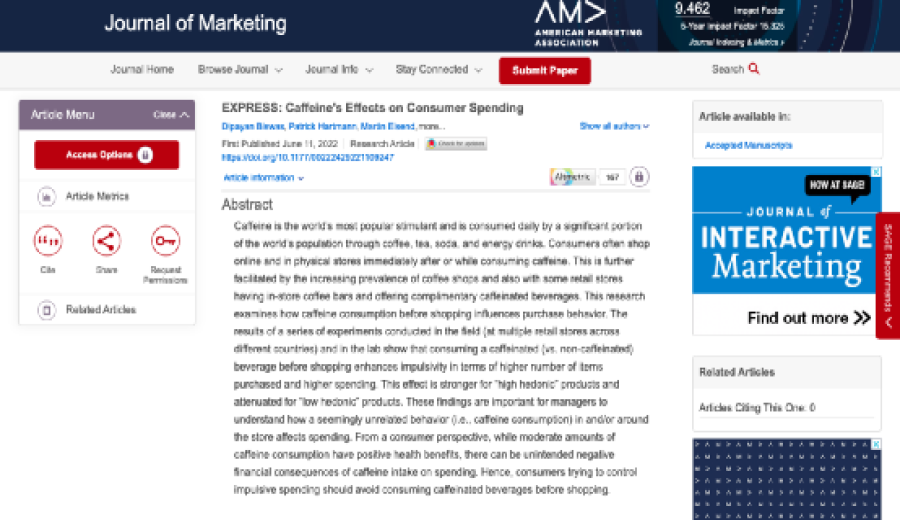
Introduction:Have you ever found yourself wanting to buy something not on your shopping list after drinking coffee? The latest research has found that caffeine intake not only boosts alertness but may also unconsciously lead you to spend more on non-essential items. Experimental evidence published in the Journal of Marketing shows that shoppers who consumed caffeinated beverages before shopping spent, on average, 50% more and purchased 30% more items. This article will delve into the relationship between the experimental design, physiological mechanisms, and actual consumer behavior, while offering practical advice to help avoid impulse spending.
As the most widely consumed stimulant beverage in the world, coffee not only helps perk you up but may also subtly alter your spending patterns. A research team from the University of South Florida demonstrated through both in-person retail settings and online lab experiments that caffeine significantly influences purchasing decisions—especially when it comes to non-essential, discretionary goods.
The experimental data reveals key findings:Participants who consumed approximately 100 milligrams of caffeine (equivalent to a standard shot of espresso) spent, on average, 50% more than the control group,and purchased nearly 30% more items on average. Notably, this effect was primarily seen with emotion-driven products such as scented candles and personal care items, while there was little difference in the purchase of practical items like kitchenware.
Study lead Professor Dipayan Biswas pointed out that caffeine, as a central nervous system stimulant, promotes dopamine secretion, putting consumers in a higher state of physiological arousal.This increase in the neurotransmitter simultaneously amplifies impulsive tendencies while suppressing rational judgment,resulting in lower resistance to promotional stimuli or sensory-appealing products.
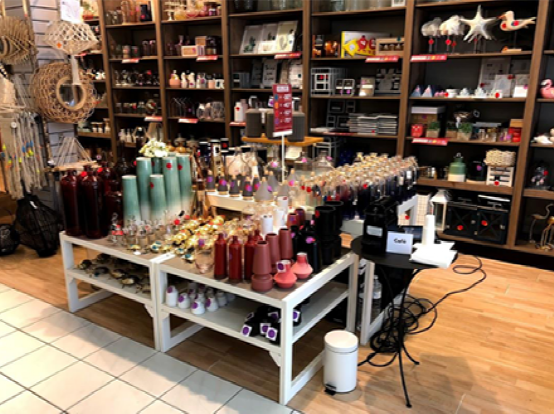
To test the hypothesis, the research team conducted field tests in two European countries: they set up coffee stations at the entrances of a French home goods chain and a Spanish department store, inviting over 300 customers to drink either caffeinated or decaffeinated beverages. By comparing checkout records, they found that the experimental group not only spent significantly more but also showed a markedly higher preference for decorative items compared to those who drank water or decaf.
Online experiments further confirmed consistency across different settings: 200 participants were asked to choose items they intended to purchase from a list of 66 pre-selected products (including items like massagers and notebooks). Results showed that those who had consumed caffeine preferred products offering "immediate gratification," whereas the control group leaned more toward functionally oriented choices.
Although multiple medical studies have shown that moderate caffeine intake can improve focus and work efficiency (with recommended daily intake below 400 milligrams),the practical takeaway of this study is to remind consumers to pay attention to the interaction between the timing of consumption and environmental factors.Especially when planning major purchases or managing a budget, it’s advisable to delay consuming caffeinated beverages.

Online community feedback supports these findings, with many users sharing experiences of “impulse shopping after drinking coffee on an empty stomach.” Some personal finance bloggers even recommend separating “coffee breaks” from “shopping trips” in time to better manage budgets.
For coffee enthusiasts, this study not only unveils the hidden connection between physiological mechanisms and consumer behavior but also offers concrete insights for making smarter shopping decisions. By understanding how caffeine affects the dopamine system, individuals can take a more proactive approach to managing their physiological state and environmental triggers during shopping.
The above content is compiled by CoffeeHunters, a coffee news website.


