








Introduction:With the rise of plant-based milks in the global beverage market, oat milk has become the preferred pairing for many coffee lovers, especially among Chinese and Asian consumers. However, can plant-based milks truly match traditional cow’s milk in nutritional content? This article delves into the historical evolution, market trends, and nutritional differences of plant-based milks, and analyzes their usage restrictions in international coffee competitions to help readers make smarter choices.
When it comes to coffee, many people’s first introduction to the drink is often a rich and creamy milk coffee. Whether it’s a latte or a cappuccino, the smooth texture and subtle sweetness that milk brings to coffee are beloved by many. However, for those who are lactose intolerant or sensitive to dairy proteins, this deliciousness can become a burden. The growing popularity of plant-based milks has resolved these concerns, allowing more people to enjoy coffee with milk flavor without worry.
The history of drinking plant-based milks actually dates back hundreds of years, when many sought alternatives to dairy for religious or health reasons. Nut milks made from almonds, hazelnuts, walnuts, and the like were popular within certain communities. In China, soy milk is a traditional plant-based beverage with a history of over 1,900 years, said to have originated with Liu An, the King of Huainan during the Western Han Dynasty. His mother recovered after drinking soy milk, which led to the gradual spread of this beverage to Southeast Asia and Japan. It wasn’t until the early 20th century that it officially entered the commercial stage.
Entering the 21st century, especially in the past decade, plant-based milks have ridden the wave of “environmental friendliness” and “health,” successfully attracting the attention of young consumers globally, particularly Generation Z. Their emphasis on animal welfare, carbon emissions, and healthy diets has turned plant-based milks not only into everyday beverages but also gradually integrated them into café menus. Among them, oat milk, due to its high compatibility with coffee, has rapidly gained popularity in the Chinese and Asian markets, even becoming the default milk option for many coffee drinks.
However, in the realm of professional coffee competitions, the situation is quite different. Take the World Barista Championship (WBC) as an example: the competition rules explicitly stipulate that participants may only use whole cow’s milk as the dairy ingredient. This rule stems from considerations of flavor consistency in coffee and fairness in judging, and also highlights that at the professional level, cow’s milk remains an irreplaceable staple. A barista who has worked in cafés for many years told the media that he has personally witnessed oat milk grow from a niche choice to a popular milk option frequently ordered by customers.
According to a report by Australian media ABC, the adoption of plant-based milks in local cafés has been astonishingly rapid, and it is expected to soon account for more than half of all coffee drinks, with oat milk showing particularly high acceptance. In market surveys, coffee consumers in many countries have begun to lean toward non-dairy milk options. For instance, in Australia, one in four customers actively chooses plant-based milk, with almond milk being the most popular, followed closely by soy milk and oat milk.
Market analysts point out that oat milk’s market share skyrocketed from just 0.2% to 20% in just two years—an astonishing growth rate—and it may even surpass almond milk in the short term to become the best-selling type of plant-based milk. Nevertheless, according to data from the Australian Bureau of Statistics and the Plant Based Foods Association in the U.S., milk sales remain stable, indicating that traditional dairy products have not been completely replaced. However, plant-based milks have indeed taken a share of the market.
From a nutritional perspective, there are significant differences between plant-based milks and cow’s milk. For example, 100 milliliters of fresh milk contains about 3.4 grams of protein, while typical commercially available oat milk contains only about 1.0 gram of protein. Comparing coffee drinks of the same volume, the version made with fresh milk has roughly three times the protein content of the oat milk version. Moreover, the protein in plant-based milks is plant-based and not only lacks the full range of amino acids found in animal proteins, but also important nutrients such as immunoglobulins. Its absorption and utilization efficiency in the human body are both inferior to that of cow’s milk.
In terms of carbohydrates and calories, oat milk also generally has higher levels than cow’s milk. For consumers looking to control calorie intake or lose weight through milk coffee, it may not be the optimal choice. As for calcium, although some commercially available oat milks are fortified with calcium carbonate or calcium phosphate, their absorption rate by the human body is still lower than that of the natural calcium in cow’s milk. Therefore, for consumers without lactose intolerance, traditional whole cow’s milk remains the nutritionally superior option.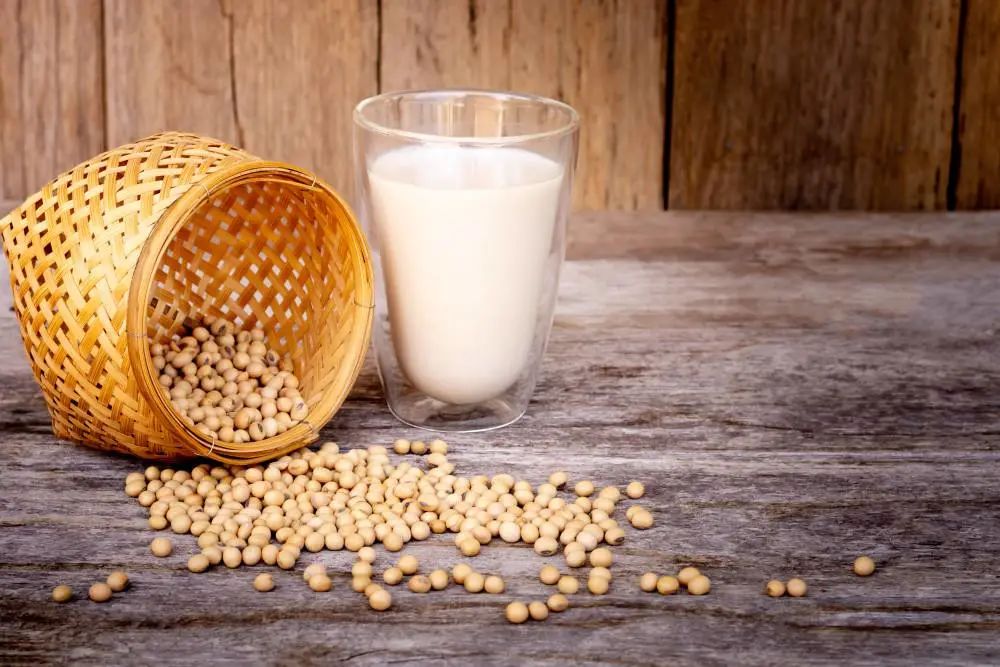
Interestingly, although plant-based milks often come with a higher price tag—some brands even sell for as much as 48 yuan per box—they still attract a large number of consumers willing to pay for them, especially those who prioritize environmental protection and healthy diets. This shift in consumer psychology also reflects the multiple considerations modern people have when making dietary choices.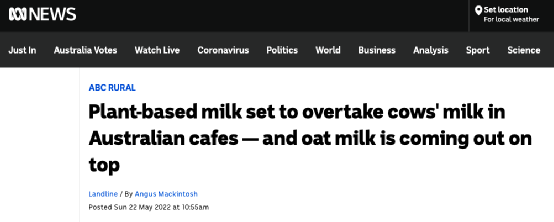
The above content is compiled by CoffeeHunters, a coffee news website.


